Africa Launches $2.5T Plan to Fund Its Own Infrastructure
African leaders just launched a new financing facility to unlock the continent's $2.5 trillion in domestic capital for roads, energy, and trade projects. The move marks a major step toward financial independence from external systems that often misprice Africa's development needs.
Africa is taking control of its own financial future with a groundbreaking new platform that could unlock trillions for the continent's growth.
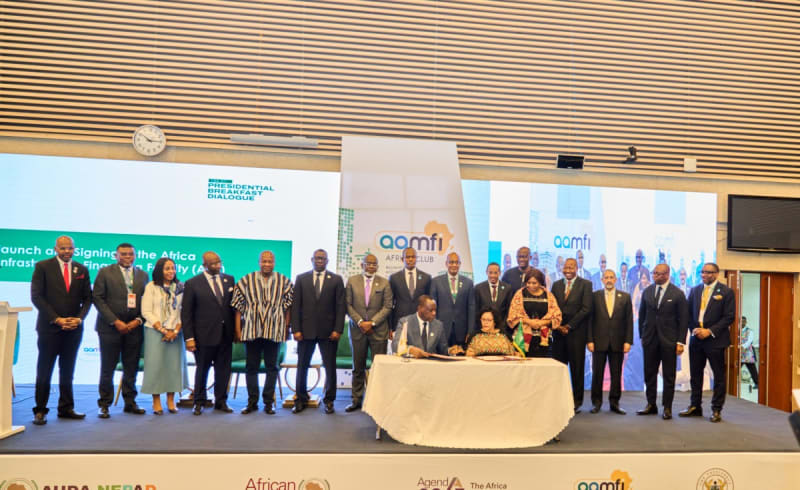
On February 14, 2025, African Heads of State launched the Africa Infrastructure Financing Facility during the African Union Summit in Ghana. The new platform will coordinate funding for major cross-border projects like highways, power grids, and trade routes that connect African nations.
The timing matters. Africa faces a $221 billion annual infrastructure gap through 2030, and current financing systems often make borrowing expensive or inaccessible for African projects. Many approved infrastructure plans stall not because they lack value, but because they struggle to attract long-term investment under existing frameworks.
President John Dramani Mahama of Ghana, who championed the initiative, put it simply: "Africa has domestic capital pools exceeding $2.5 trillion. The challenge is not the availability of capital, but how intentionally we deploy it into infrastructure, industrialization, and job creation."
The facility brings together African financial institutions with combined balance sheets exceeding $70 billion. Instead of competing separately for projects, they'll pool expertise and resources to prepare infrastructure plans that meet investor standards.
Dr. George Elombi, President of Afreximbank, explained the core problem the facility solves: "Too many projects stall not because they lack relevance, but because they are insufficiently prepared, inadequately structured, or misaligned with the requirements of long-term capital."
The Ripple Effect
When infrastructure improves across Africa, the benefits cascade far beyond individual countries. Better roads mean farmers can get crops to market before they spoil. Reliable power grids mean hospitals can save more lives and businesses can operate around the clock. Cross-border projects strengthen the African Continental Free Trade Area, making it easier for 1.3 billion people to trade goods and services with each other.
The facility also changes how Africa engages with global finance. By coordinating through African-led institutions that understand local conditions, projects can be evaluated on their actual risk rather than inflated perceptions. This means lower borrowing costs and more projects that actually get built.
African Union Commissioner Francisca Tatchouop Belobe emphasized the significance: "This Facility will contribute meaningfully to closing Africa's infrastructure financing gap when political will and institutional coordination converge."
The launch came alongside another milestone: Cameroon formally ratified the protocol to establish the African Monetary Fund, which will provide financial stability support across member states.
Africa is building the financial architecture to fund its own future, one bridge and power line at a time.
Based on reporting by AllAfrica - Headlines
This story was written by BrightWire based on verified news reports.
Spread the positivity!
Share this good news with someone who needs it