Africa Launches $3.9M Plan to Power 300 Million by 2030
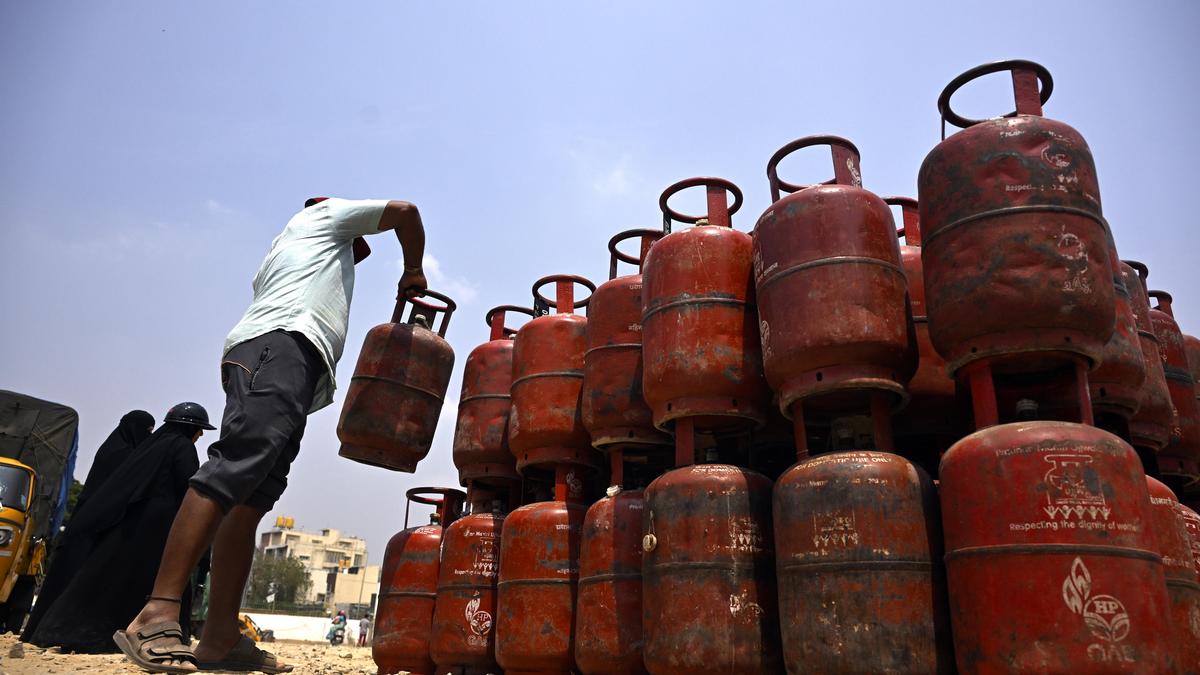
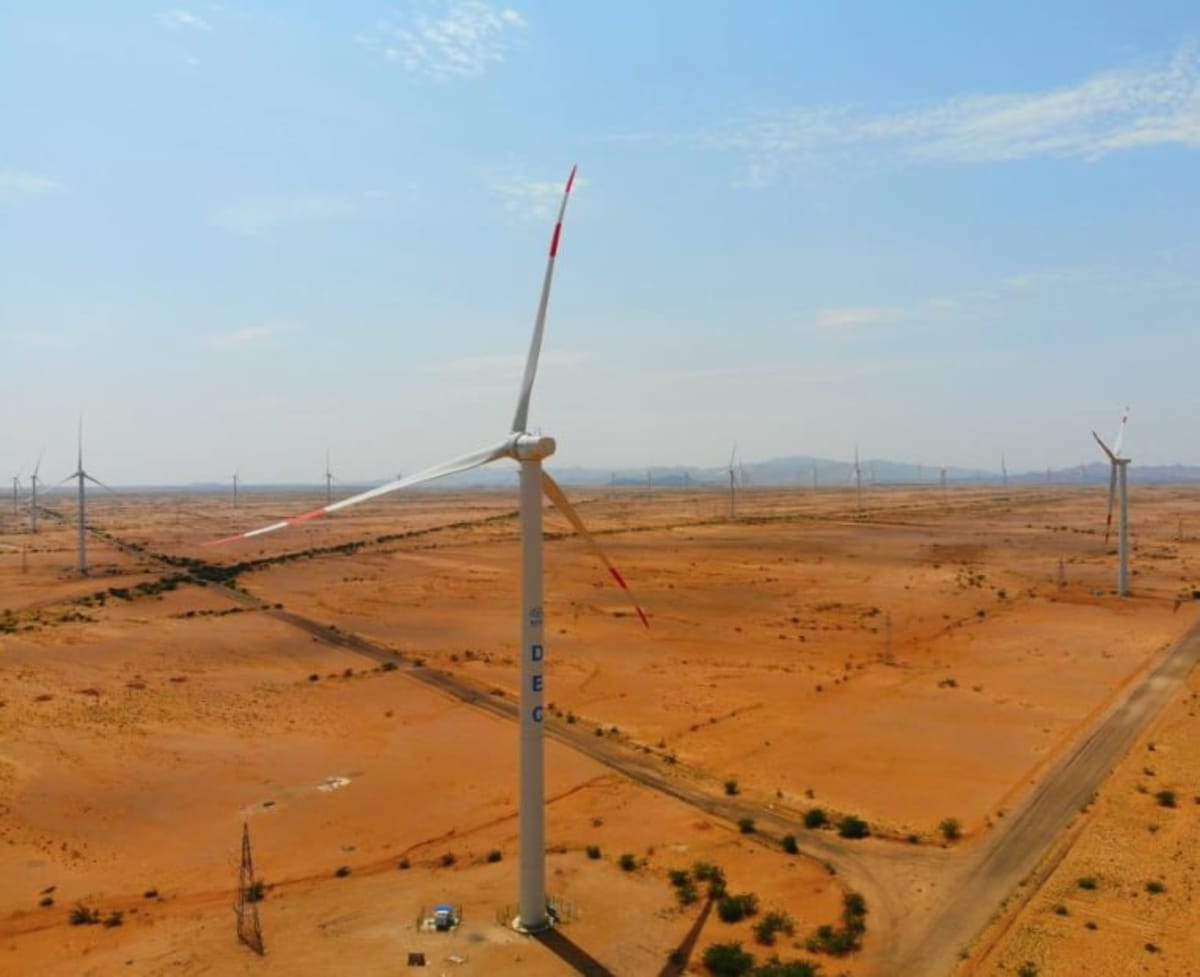
The African Development Bank approved a $3.9 million program to help 13 African nations turn their energy promises into actual electricity for homes, schools, and hospitals. By 2030, this coordinated effort aims to bring power to 300 million Africans who currently live without it.
Thirteen African countries just got a major boost in their mission to end energy poverty for 300 million people.
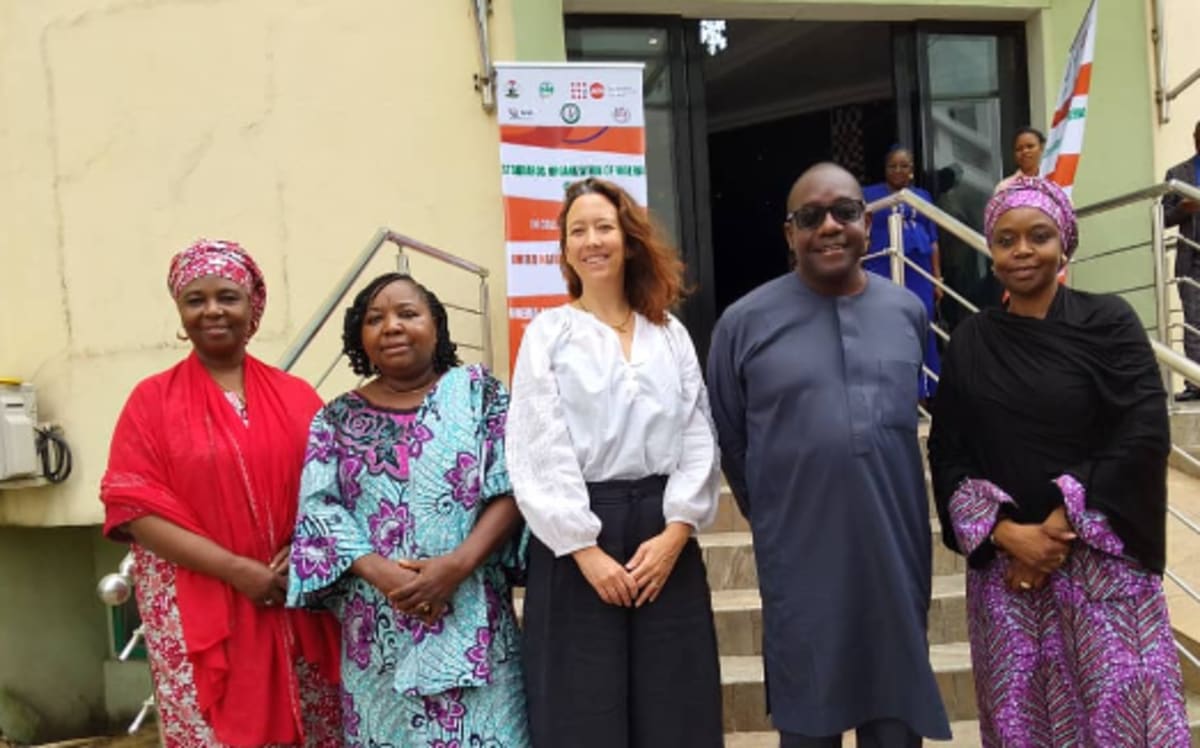
The African Development Bank approved a $3.9 million technical assistance program to help nations transform their energy plans into real electricity connections. Over the next two years, expert teams will work directly inside governments in Chad, Gabon, Tanzania, Mauritania, DRC, Kenya, Nigeria, Madagascar, Ethiopia, Malawi, Lesotho, Namibia, and Uganda.
The challenge these countries face isn't just about building power plants. Many have created ambitious National Energy Compacts with detailed roadmaps for expanding electricity access, but turning those plans into action requires specialized expertise in regulation, utility management, and investment attraction.
That's where this new program comes in. Expert advisers will help governments improve electricity regulations and pricing structures that make projects attractive to investors. They'll strengthen national utilities so power reaches more people reliably while reducing waste and losses in the system.
The program will also create better data sharing between countries through tools like the Electricity Regulatory Index and regional energy forums. When nations learn from each other's successes and challenges, progress happens faster.
These advisers will work inside newly created Compact Delivery and Monitoring Units, special government teams responsible for coordinating energy reforms across different ministries. A first phase of funding in December 2025 helped countries set up these coordination units and train their staff.
"Countries have made bold commitments through their energy compacts," said Wale Shonibare, Director of Energy Financial Solutions at the AfDB. "Now we are helping them implement those commitments so that more households, entrepreneurs, and communities actually get electricity."
The Ripple Effect
When homes get electricity for the first time, everything changes. Children can study after dark, clinics can refrigerate vaccines, and small businesses can operate longer hours. Access to power consistently lifts communities out of poverty by creating opportunities that simply didn't exist before.
This program coordinates with the World Bank and other development partners to ensure everyone works together efficiently. With dozens of African nations already committed to expanding electricity access, the technical support can multiply the impact of every dollar invested in actual infrastructure.
The goal is ambitious but achievable: 300 million people connected to electricity by 2030. That's roughly the entire population of the United States gaining access to a resource many of us take for granted every single day.
By the end of 2030, millions of African families will flip a light switch for the first time.
Based on reporting by AllAfrica - Headlines
This story was written by BrightWire based on verified news reports.
Spread the positivity!
Share this good news with someone who needs it