Africa Launches $88M AI Health Initiative Across 22 Nations
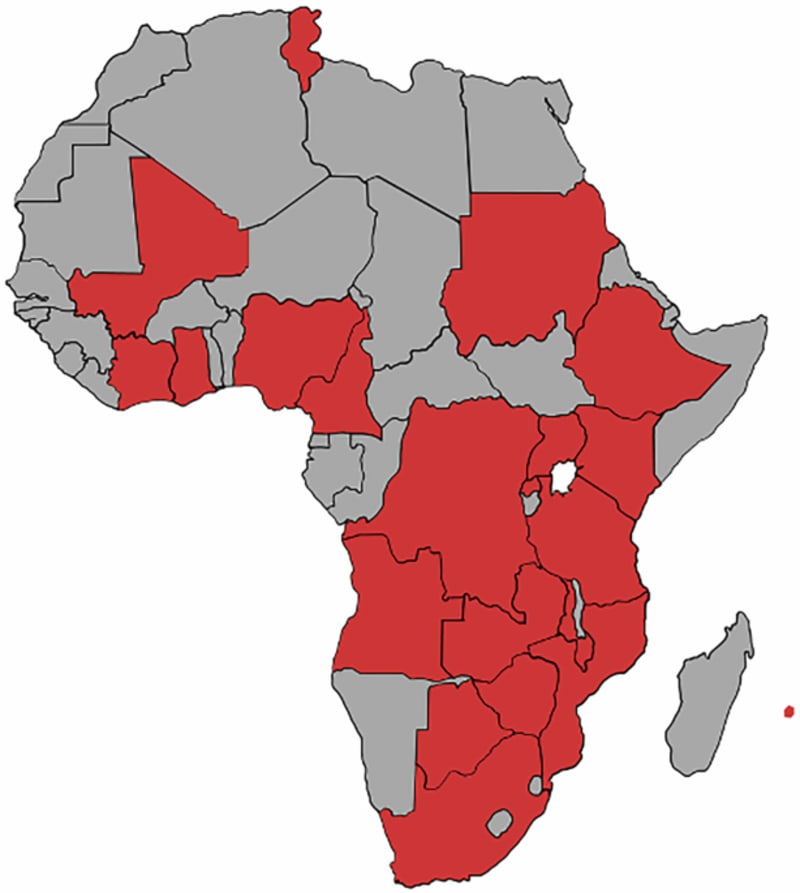
A groundbreaking $88 million initiative is bringing AI-powered healthcare to 22 African countries, training local scientists to build diagnostic tools and disease surveillance systems designed specifically for their communities. The DS-I Africa program has already awarded 38 grants, creating innovations from real-time outbreak tracking to cancer screening tools that work for African populations.
African scientists are taking the lead in revolutionizing healthcare across their continent with cutting-edge artificial intelligence, and the results are already saving lives.
The Harnessing Data Science for Health Discovery and Innovation in Africa initiative, backed by $88 million over five years, is transforming how 22 African nations approach healthcare challenges. The program focuses on something crucial that global health efforts often miss: building local expertise so African researchers can create solutions tailored to their own communities.
The numbers tell an inspiring story. DS-I Africa has already awarded 38 grants to research teams across the continent, leading to innovations like AI-powered diagnostic tools, real-time disease surveillance systems, and predictive models built specifically for African populations. These aren't imported solutions adapted from elsewhere but homegrown innovations designed by people who understand the unique challenges their communities face.
One of the program's smartest moves is the eLwazi Open Data Science Platform, which now integrates data from 116 different research projects. This matters because AI tools trained only on data from other parts of the world can actually worsen health inequities when used in Africa. The continent's remarkable genetic and ecological diversity means it needs its own data to build effective healthcare solutions.
The initiative goes beyond just technology. DS-I Africa built ethics and responsible data use into its framework from day one, addressing concerns about privacy, informed consent, and making sure communities actually benefit from research done with their data. Special programs like "REDSSA" focus on building public trust, while "PUBGEM-Africa" promotes community engagement in how health data gets used.
Training the next generation stands at the heart of the effort. Programs like Data Science for Social Determinants teach African scientists to consider the full picture of health, including environmental and social factors that affect disease patterns. This approach helps researchers spot problems earlier and design interventions that actually work in real-world African settings.
The Ripple Effect
The impact reaches far beyond individual patients. When African institutions lead their own cutting-edge research, they build lasting capacity that strengthens entire health systems. Local scientists who develop expertise in AI and data science stay in their communities, training others and creating a ripple effect of innovation.
The timing couldn't be more important, either. With global health funding becoming less predictable, DS-I Africa demonstrates how regional self-reliance in health research creates resilience. The infrastructure and expertise being built now will serve these nations for generations.
Real-time disease outbreak tracking developed through the program helps governments respond faster to health emergencies. AI-assisted cancer screening tools increase early detection rates. Predictive models help policymakers allocate resources more effectively, reaching vulnerable populations before diseases spread.
African-led innovation in healthcare is no longer a distant dream but a present reality, one data point at a time.
More Images
Based on reporting by Google News - Africa Innovation
This story was written by BrightWire based on verified news reports.
Spread the positivity!
Share this good news with someone who needs it