Africa Leaders Unite Behind Science-Led Innovation Future
South African and Eswatini leaders are calling for unprecedented regional cooperation in science and technology to close Africa's digital divide. The push comes as artificial intelligence and digital transformation reshape the global economy. ##
African nations are joining forces to build a science-powered future that could reshape the continent's economic trajectory over the next two decades.
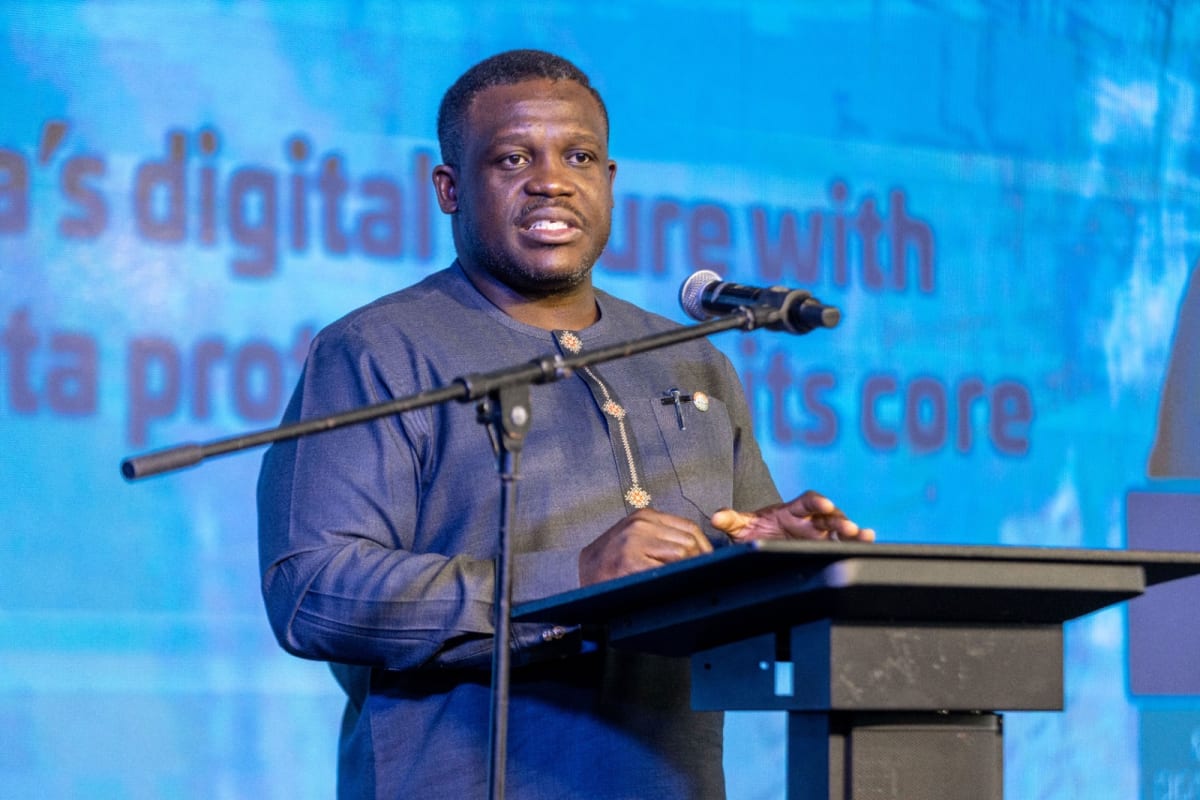
South Africa's Minister of Science, Technology and Innovation, Professor Blade Nzimande, delivered a powerful call to action at Eswatini's National Science Month launch. Speaking at the University of Eswatini, he urged Southern African countries to stop treating innovation as an afterthought while the rest of the world races ahead with AI and digital transformation.
The message resonated with government leaders, diplomats, academics, and students who gathered to map out the region's technological future. Eswatini's Minister for Information, Communication and Technology, Senator Savannah Maziya, reinforced the commitment by pledging to transform her nation into a knowledge-based economy driven by innovation and entrepreneurship.
Nzimande framed the challenge in stark terms. African governments must work together to tackle climate change, health crises, food insecurity, water scarcity, energy shortages, and economic instability through science-based solutions. The question facing policymakers is simple but urgent: how can we use technology to transform Africa's economic path?
The answer lies in what Nzimande calls a "sovereign research and development agenda." This means African countries would drive and fund their own innovation priorities while maintaining fair partnerships with international allies. It's not about rejecting outside help but insisting on equity, mutual respect, and African leadership in global partnerships.
Investment is the foundation of this vision. Regional governments need to deliberately fund research, build digital infrastructure, and create institutional frameworks that support a thriving digital economy. Without this foundation, the continent risks falling further behind as developed nations pull ahead.
The Ripple Effect
The stakes extend beyond economics. While AI and digitalization have created massive opportunities worldwide, they've also widened the gap between rich and poor nations. By building regional scientific capacity now, African countries can compete globally rather than becoming passive consumers of foreign technology.
This collaboration model could inspire other developing regions facing similar challenges. When nations pool resources and expertise, they amplify their impact far beyond what any single country could achieve alone.
The commitment from both South Africa and Eswatini signals a broader recognition across the Southern African Development Community. Science and technology aren't luxuries or secondary concerns but essential tools for building prosperous, sustainable futures.
Young innovators and students attending the launch represent the generation who will bring this vision to life. With government backing, regional cooperation, and strategic investment in research, Africa's technological transformation is shifting from aspiration to action plan.
##
Based on reporting by Google News - Africa Innovation
This story was written by BrightWire based on verified news reports.
Spread the positivity!
Share this good news with someone who needs it