Africa Leads New Model for Fighting Ebola Outbreaks
When Ebola struck the Democratic Republic of Congo and Uganda, African nations built a faster, more cooperative response that's reshaping how the world fights disease outbreaks. Instead of travel bans and border closures, they chose science-backed solidarity.
Africa just showed the world a better way to fight deadly disease outbreaks, and it's working.
When Ebola emerged in the Democratic Republic of Congo and Uganda this spring, the Africa Centres for Disease Control and Prevention did something different. Within days, they declared a public health emergency and launched a coordinated continental response focused on helping people rather than closing borders.
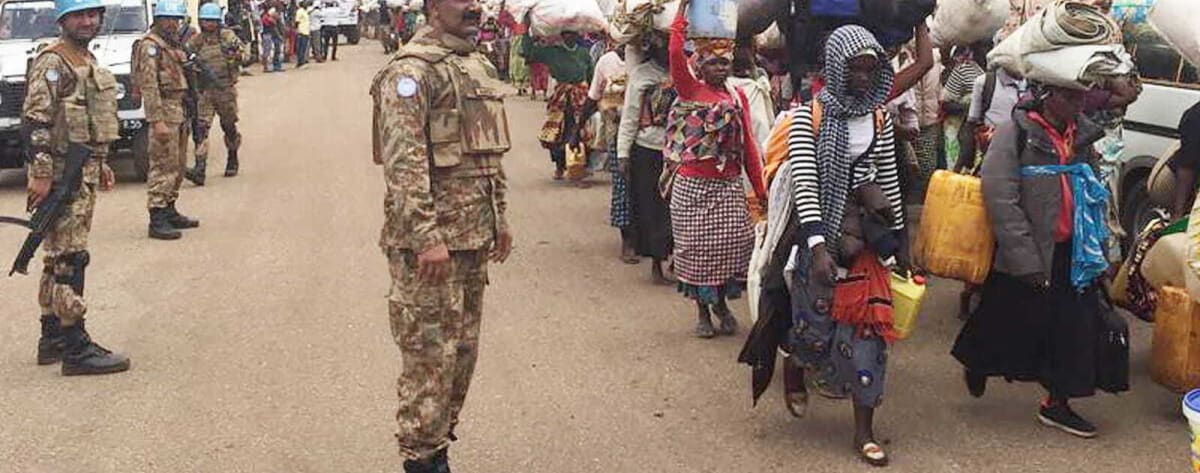
The approach centers on proven methods: community reporting, case isolation, infection control in hospitals, and genuine engagement with local populations. The DRC quickly increased hospital bed capacity, built a testing network across affected regions, and created screening units to identify cases early.
What makes this response truly groundbreaking is who's leading it. African ministers of health met in May and pledged support in cash and resources for the DRC, asking nothing in return. Several countries emphasized their commitment to solidarity with affected nations.
This stands in sharp contrast to approaches focused on travel restrictions. The US, Canada, and Bahamas imposed travel bans on people from affected countries, despite scientific evidence showing such bans do little to stop Ebola while causing economic harm through disrupted trade and tourism.
Past international responses to Ebola moved slowly. The 2014 West Africa outbreak declaration came only after months of transmission and over 900 deaths. This time, Africa CDC treated the emergency declaration as a tool to mobilize help immediately, working with the WHO under a single coordinated plan.
The Ripple Effect
The cooperative model emerging from this outbreak could transform how the world handles future health crises. By prioritizing evidence-based measures and community needs over border politics, African nations are demonstrating that solidarity works better than isolation.
Resources and decisions are now being determined by the DRC for its own population, rather than by outside interests focused mainly on preventing spread to other countries. This approach respects local expertise while pooling regional support where it's needed most.
The speed and coordination of this response represents a shift in global health governance. African nations aren't waiting for international organizations to lead—they're taking initiative based on their own experiences and scientific evidence.
Pandemic preparedness experts who worked on vaccine access during COVID-19 point to this cooperative model as the most effective and ethical way to handle future disease threats. When countries work together without strings attached, everyone benefits from faster containment and better outcomes.
The world is watching as Africa demonstrates that solidarity, science, and swift action can create a more humane and effective response to health emergencies.
More Images




Based on reporting by Nature News
This story was written by BrightWire based on verified news reports.
Spread the positivity!
Share this good news with someone who needs it