Africa Saves 20M Lives with Measles Vaccines Since 2000
Nearly 20 million children in Africa are alive today because of measles vaccinations since 2000. Three countries just achieved a milestone no sub-Saharan African nation has reached before.
Twenty million families in Africa still have their children because of a single decision: to prioritize measles vaccinations.
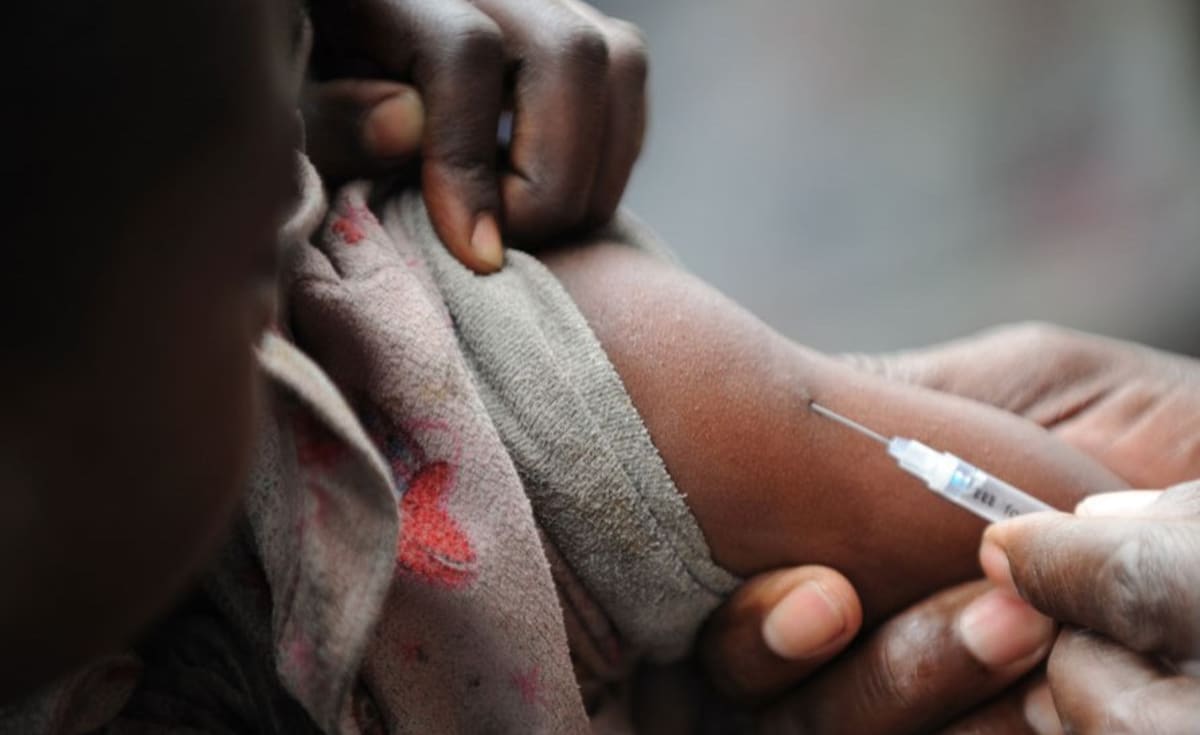
Since 2000, measles vaccines have prevented nearly 20 million deaths across Africa, according to the first comprehensive analysis by the World Health Organization and Gavi, the Vaccine Alliance. More than 500 million children received protection through routine immunization over these 24 years.
The transformation happened faster than many thought possible. In 2000, only 5% of African children received a second dose of measles vaccine. By 2024, that number jumped to 55%. Supplemental campaigns delivered 622 million additional vaccinations.
The results speak for themselves. Measles deaths dropped by half across the region, and overall cases fell by 40%. In just 2024, vaccines saved 1.9 million lives, with measles vaccination accounting for 42% of those saves.
Three nations reached a historic milestone in 2025. Cabo Verde, Mauritius, and Seychelles became the first sub-Saharan African countries to achieve measles and rubella elimination status, the gold standard for disease protection.
The progress extends beyond measles. African countries now protect children against 13 vaccine-preventable diseases, up from eight in 2000. Meningitis deaths have fallen by 39%. Twenty-five countries have introduced the malaria vaccine, and 29 now offer the HPV vaccine that protects against cervical cancer.
Dr. Mohamed Janabi, WHO Regional Director for Africa, celebrated the achievement while acknowledging the work ahead. Africa has made remarkable progress in less than a generation, but coverage remains uneven, leaving some children unprotected.
The Ripple Effect
When vaccination rates climb, entire communities benefit. Children who might have died instead grow up to become teachers, farmers, nurses, and parents. They contribute to their economies and strengthen their communities. The 20 million lives saved represent not just individual victories but millions of families spared unimaginable grief.
The impact cascades further. Healthier children attend school more consistently, learn better, and break cycles of poverty. Communities with high vaccination coverage spend less on emergency healthcare and more on development. Countries build stronger health systems that can respond to future challenges.
Challenges remain, including rapid population growth, weak health systems in some areas, and humanitarian crises. WHO, Gavi, and partner organizations are working with governments to reach every child, especially those in remote and fragile contexts.
Twenty million reasons to hope, with millions more on the way.
Based on reporting by AllAfrica - Headlines
This story was written by BrightWire based on verified news reports.
Spread the positivity!
Share this good news with someone who needs it