Africa Takes Climate Lead as Power Shifts at COP30
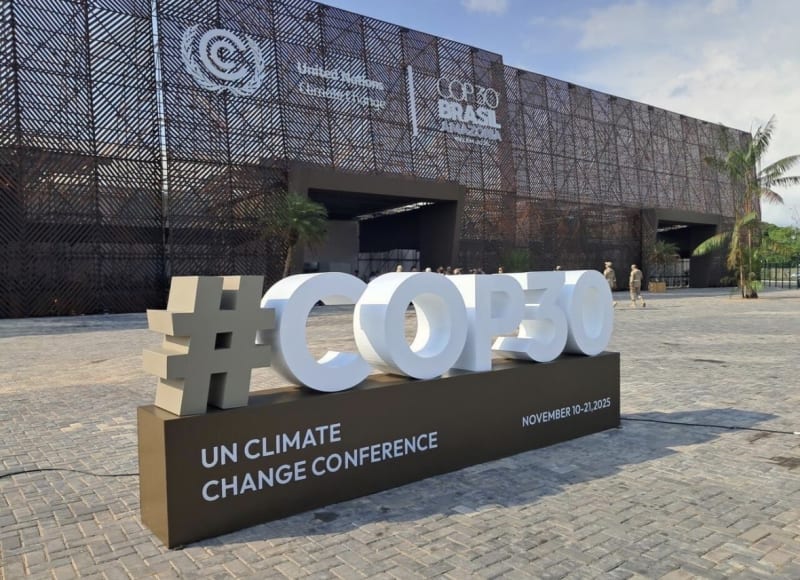
The 2025 COP30 climate summit in Brazil marked a turning point as African nations and the Global South stepped into leadership roles, securing major wins on climate finance and adaptation. With new funding mechanisms and stronger alliances, Africa now faces the crucial task of turning ambitious climate goals into real action in 2026.
When the United States withdrew from global climate talks, something unexpected happened. African nations and developing countries stepped forward to lead the conversation about our planet's future.
At the 2025 COP30 summit in Brazil, the Global South earned recognition as "Ray of the Day" for their early leadership. It was a historic moment that shifted decades of power dynamics in climate negotiations.
The results speak to real progress. Countries agreed to raise climate finance to $1.3 trillion yearly by 2035, with adaptation funding tripled to help vulnerable nations prepare for climate impacts. They also created 59 specific indicators to track progress on climate adaptation, moving beyond vague promises to measurable goals.
African delegates pushed hard for what their continent needs most. They secured agreement on a Just Transition Mechanism, ensuring countries can shift to clean energy without sacrificing economic development. Brazil brought nature protection into the spotlight with a joint statement linking climate, biodiversity, and land restoration efforts.
The Loss and Damage Fund, designed to help countries recover from climate disasters, will begin its first operations with $250 million. African nations can now submit funding requests and help shape how the program works, ensuring it serves communities who need it most.
The Ripple Effect
These victories create pathways for broader change across the continent. The strengthened Compact with Africa attracts investment and technology transfer, while new partnerships with the European Union and China offer alternatives to traditional funding sources.
The 2025 G20 Summit reinforced these commitments, with leaders endorsing goals to triple renewable energy and double energy efficiency by 2030. African nations now have multiple platforms to advance sustainable development and build climate resilience.
The timing matters deeply. Climate extremes are already hammering African economies and disrupting development. Access to predictable, large-scale financing means countries can build resilient infrastructure and protect livelihoods before challenges become insurmountable.
Looking ahead to COP31 in Turkey and the 2027 African COP in Ethiopia, the continent has unprecedented opportunity to shape global climate policy. The question for 2026 is whether these paper victories translate into wells dug, solar panels installed, and communities protected.
With climate leadership in flux and new coalitions forming, African nations are seizing a moment of global recalibration to ensure their priorities drive the agenda.
More Images


Based on reporting by Premium Times Nigeria
This story was written by BrightWire based on verified news reports.
Spread the positivity!
Share this good news with someone who needs it