Africa Unites 300+ Experts to Fight Liver Cancer Early
Over 300 cancer specialists from 30+ countries gathered in Nigeria this week to tackle hepatobiliary cancers that strike Africans younger and harder than anywhere else. The conference marks a major push for homegrown research and early detection methods tailored to African realities.
African nations are building their own army of cancer fighters, and the battle plan starts with catching the disease before it's too late.
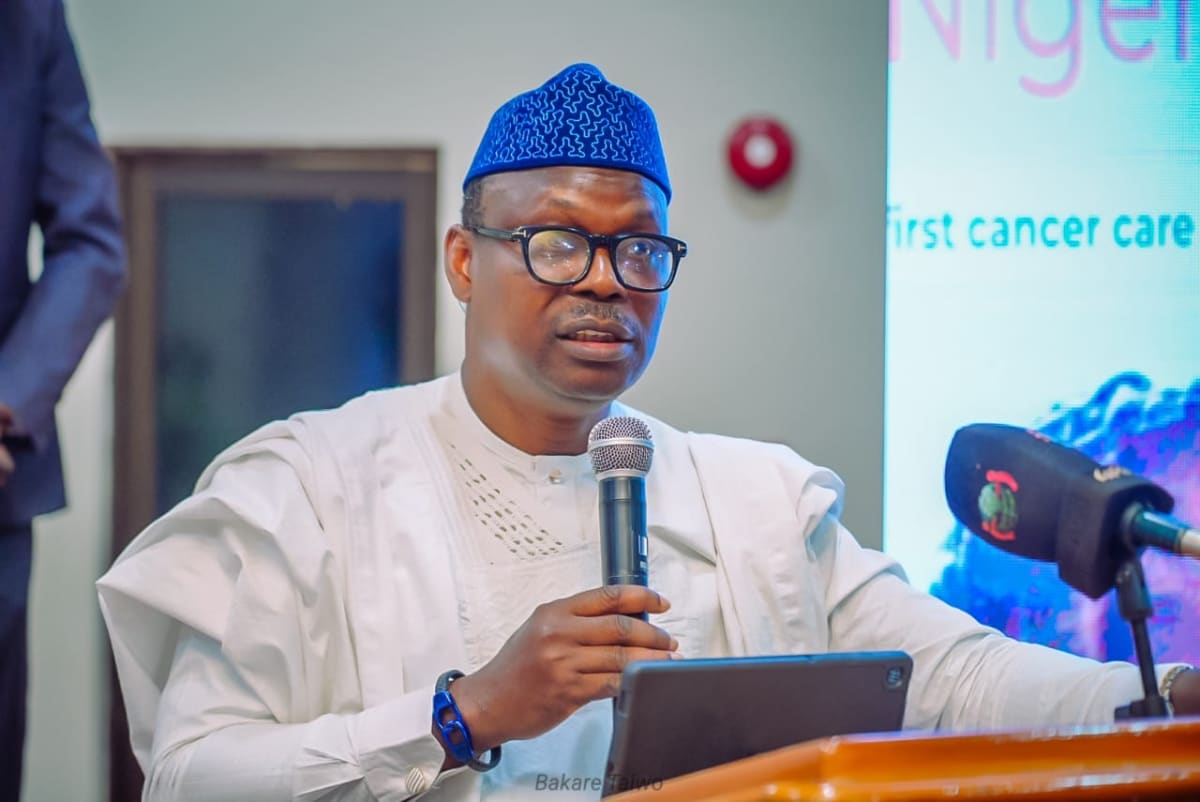
Nigeria hosted over 300 medical experts from more than 30 countries at the fifth Africa Hepato-Pancreato-Biliary Cancer Consortium Conference in Abuja this week. The three-day gathering brought together oncologists, surgeons, scientists, and nurses focused on cancers affecting the liver, pancreas, and bile ducts.
These cancers hit Africa particularly hard. They strike at younger ages across the continent, stealing decades of life from patients. Late diagnosis remains the biggest killer, with limited awareness and fewer resources making early detection difficult.
The Nigerian government is stepping up with real solutions. Officials announced plans to expand the National Cancer Health Fund to cover hepatobiliary cancers, currently excluded from coverage. The Nigerian Cancer Access Partnership already provides 50 to 60 percent discounts on cancer medicines for patients who need them.
Prevention is taking center stage. Nigeria is ramping up hepatitis B and C vaccination programs, since these viral infections drive many liver cancers. Health officials are also investing in tobacco control and healthier lifestyle education across communities.
Conference workshops explored cutting-edge detection methods like endoscopic ultrasound and FibroScan technology. Researchers are developing blood tests that could catch cancers earlier without invasive procedures, making screening more accessible across the continent.
The focus is on African-led solutions. Health Minister Iziaq Salako emphasized that African countries need research reflecting their own populations, disease patterns, and healthcare systems. Generic solutions designed elsewhere often miss the mark.
The Ripple Effect
This conference represents something bigger than scientific exchange. It's African nations refusing to wait for outside help and instead building their own expertise from the ground up.
Collaboration is spreading beyond borders. The partnership brings together organizations across the cancer and digestive disease fields, sharing knowledge through mentorship programs, fellowships, and specialized training. Nigeria is investing heavily in cancer treatment centers, laboratories, and research infrastructure.
Experts acknowledged that advanced treatments like monoclonal antibodies remain too expensive for many African healthcare systems. That's why the push for prevention and early detection matters so much. Cancers caught early are more treatable and far less costly to manage.
The meeting drew specialists from Africa, the United States, Europe, and Asia, creating a global knowledge network centered on African needs. Lewis Roberts from the African Institute for Liver and Digestive Diseases put it plainly: "We have to start now, and we have to start here."
Nigeria's National Strategic Cancer Control Plan is creating an integrated system covering everything from risk reduction and health education to surgery, treatment, and survivorship support. The government is training more specialists and building the infrastructure to support them.
No single country can solve cancer alone, but together, African nations are proving they can lead the fight on their own terms.
More Images


Based on reporting by Premium Times Nigeria
This story was written by BrightWire based on verified news reports.
Spread the positivity!
Share this good news with someone who needs it