African and Caribbean Nations Unite on Reparations Plan
African and Caribbean leaders just adopted a historic 19-point plan calling for reparations from nations that benefited from the transatlantic slave trade. The unified framework will be presented at the UN General Assembly, marking the first time these regions have coordinated their efforts into a single global proposal.
After centuries of separate struggles, African and Caribbean nations are finally speaking with one voice on slavery reparations.
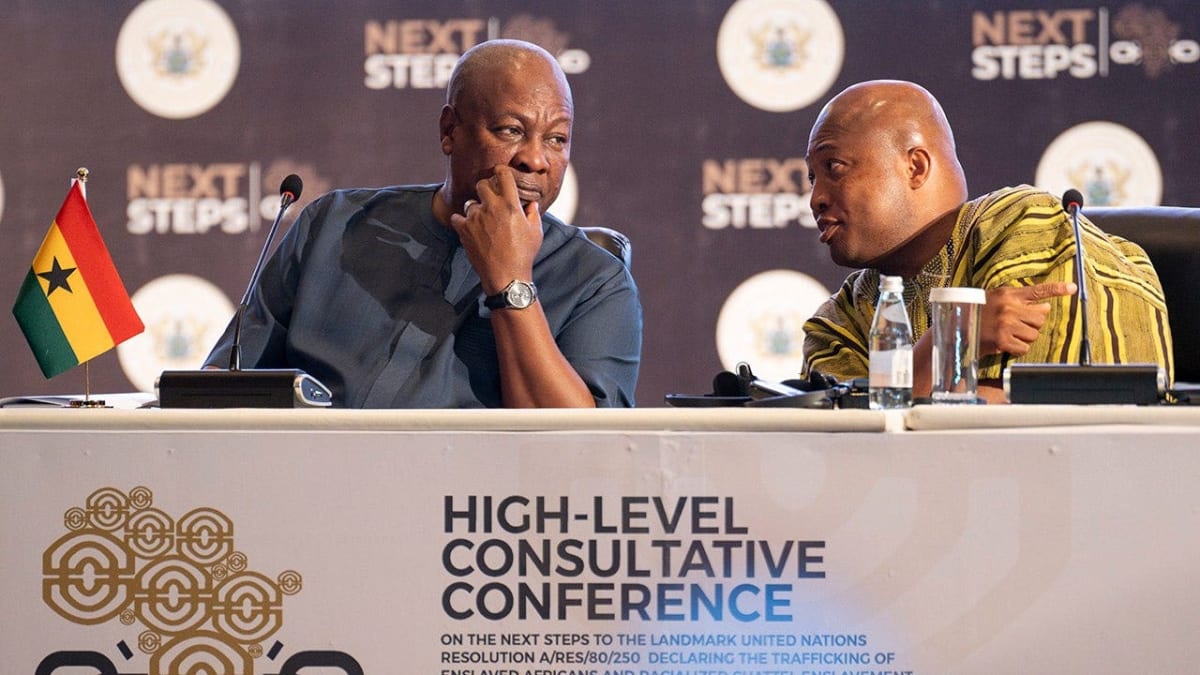
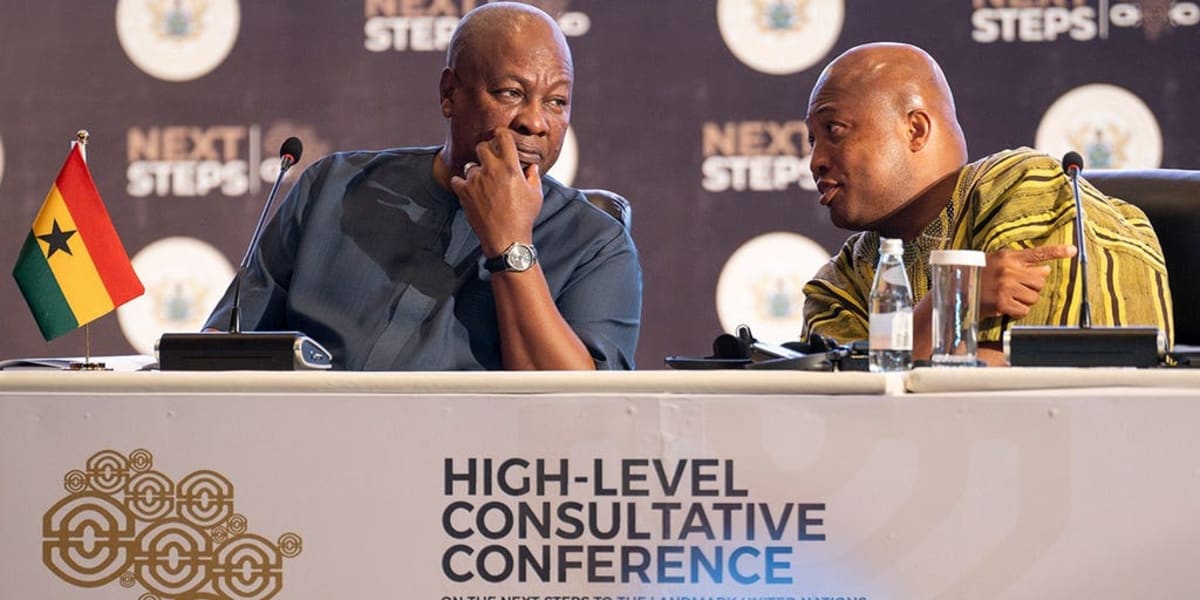
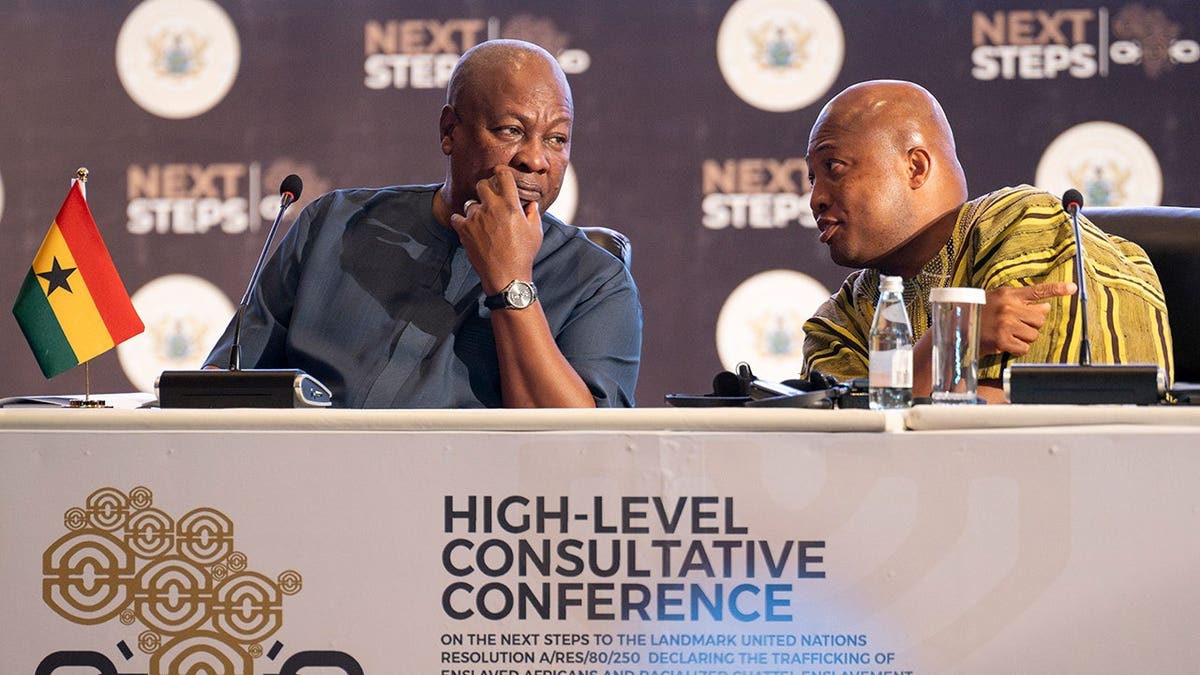
The African Union and the Caribbean Community adopted a comprehensive reparations framework at a conference in Ghana last week. This marks the first time these regions have combined their efforts into a unified plan that will be presented to the United Nations.
The 19-point proposal calls for financial compensation, debt relief, and the return of cultural artifacts taken during colonization. It also seeks expanded citizenship pathways for descendants of enslaved Africans and reforms to international financial institutions that advocates say continue to disadvantage developing nations.
"History does not ask us to inherit guilt, but it asks us to inherit responsibility," Ghanaian President John Dramani Mahama told delegates from Namibia, Liberia, Senegal, Barbados, and other nations. His words capture the spirit behind the movement: not about blame, but about addressing ongoing impacts.
The plan builds on recent momentum at the United Nations. In March, 123 countries voted to recognize transatlantic slavery as the "gravest crime against humanity," though the U.S. and 52 other nations abstained or voted against it.
French President Emmanuel Macron participated virtually, acknowledging that enslaved people were "torn from their homelands, deported, dehumanized, and treated as goods." He emphasized that reparations should not be viewed as simply writing a check to close a chapter.
The Ripple Effect
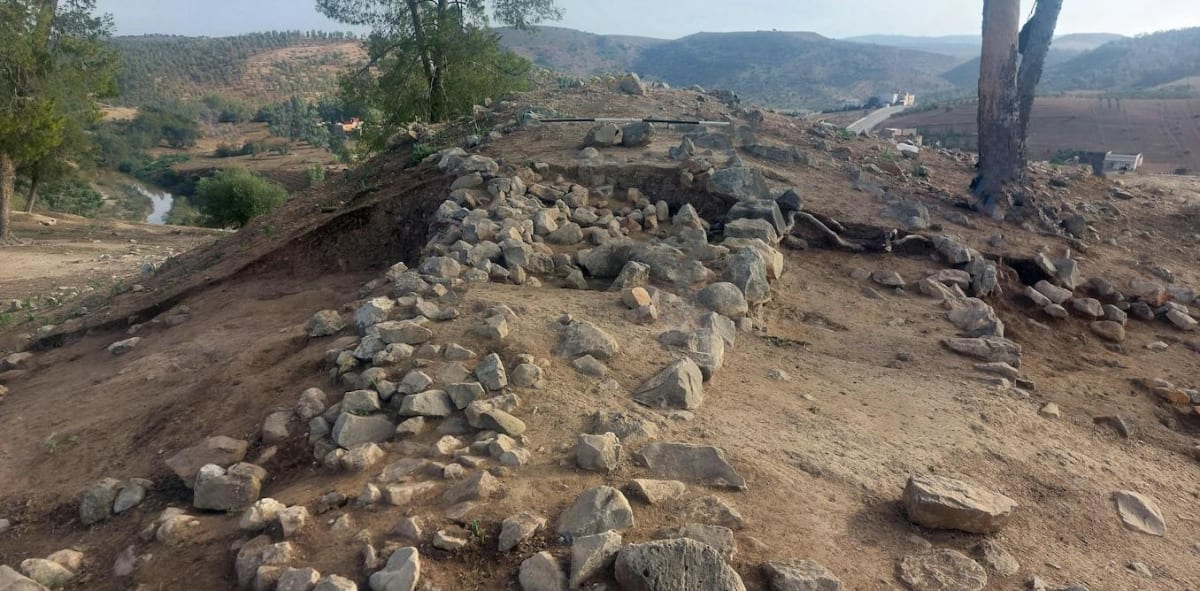
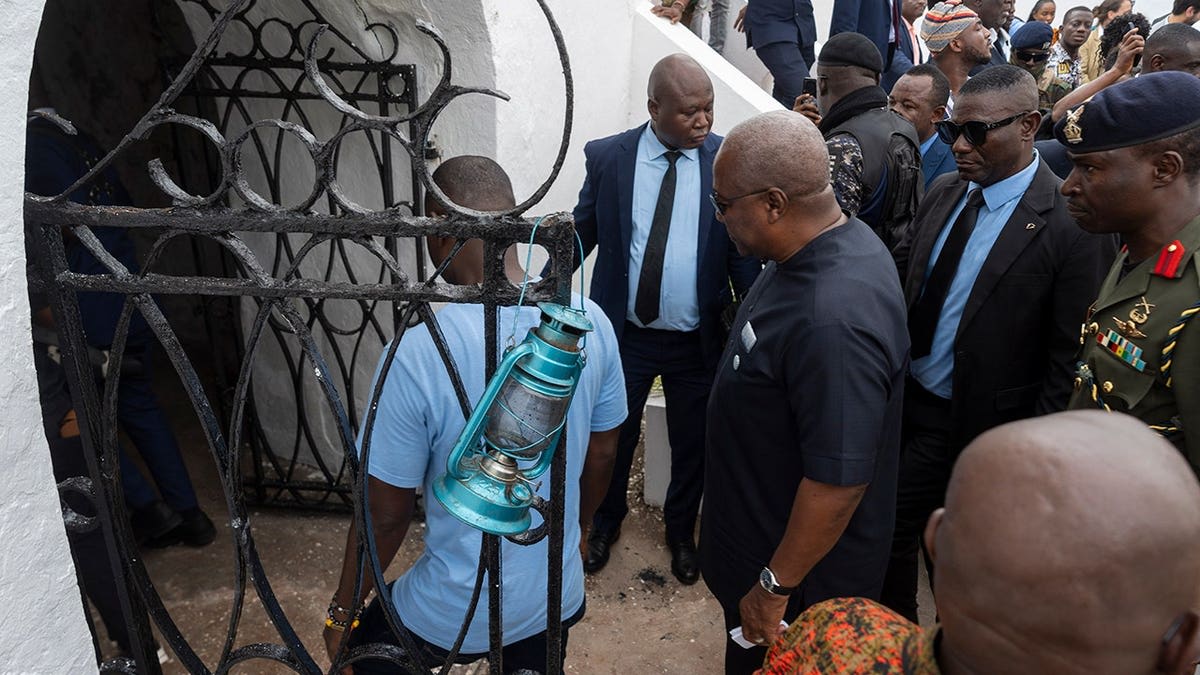
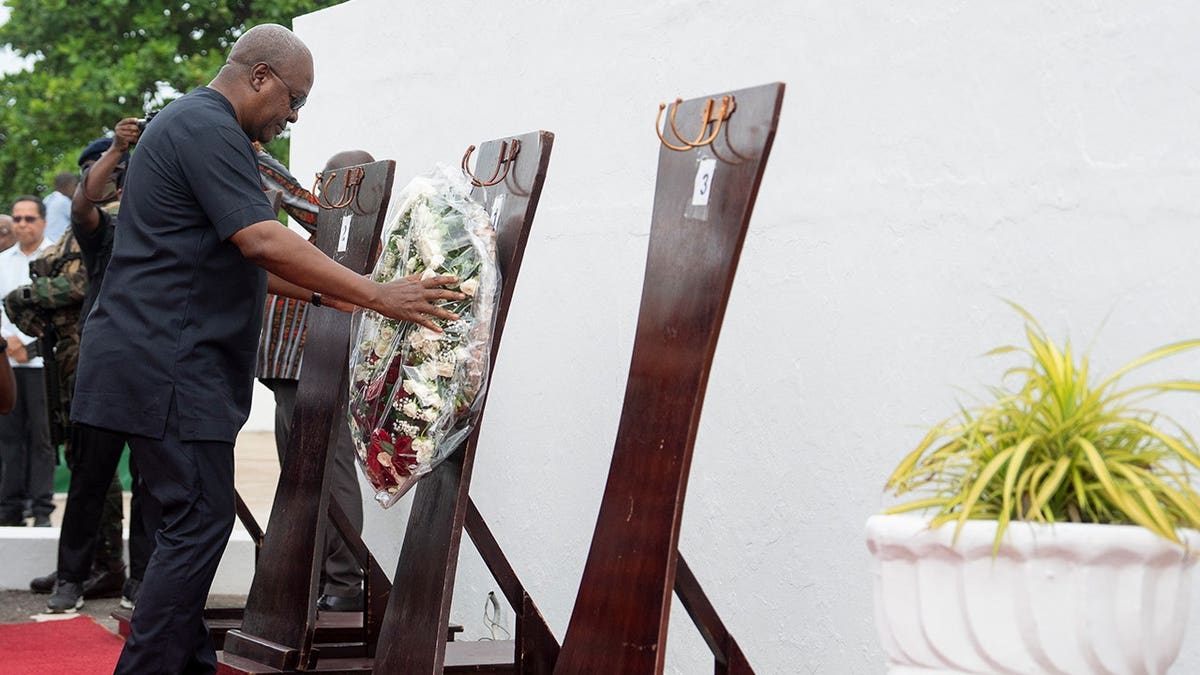
The framework goes beyond money. It includes plans to preserve former slave forts and castles as memorial sites, ensuring future generations understand this history. The proposal also addresses climate justice financing, recognizing that many nations still affected by slavery's legacy are also most vulnerable to climate change.
By uniting their voices, African and Caribbean leaders have created something powerful: a coordinated vision that transforms individual calls for justice into a global movement. Over 12.5 million Africans were kidnapped and transported on European ships between the 15th and 19th centuries, and supporters argue the economic and social impacts continue today.
The next step takes this unified plan to the world stage at the UN General Assembly.
When nations that have long worked separately join forces, the possibility for meaningful change grows stronger.
More Images
Based on reporting by Fox News Latest Headlines (all sections)
This story was written by BrightWire based on verified news reports.
Spread the positivity!
Share this good news with someone who needs it