African Cities Cut Emissions 30% with Zero Waste Systems
Communities across Uganda, Ethiopia, and the Democratic Republic of Congo are proving that zero waste isn't just an ideal but a powerful climate solution. Grassroots projects are slashing pollution, creating green jobs, and showing the continent how to turn trash into treasure.
Imagine turning your city's biggest pollution problem into compost that feeds farms, jobs that lift families, and cleaner air that protects children's lungs.
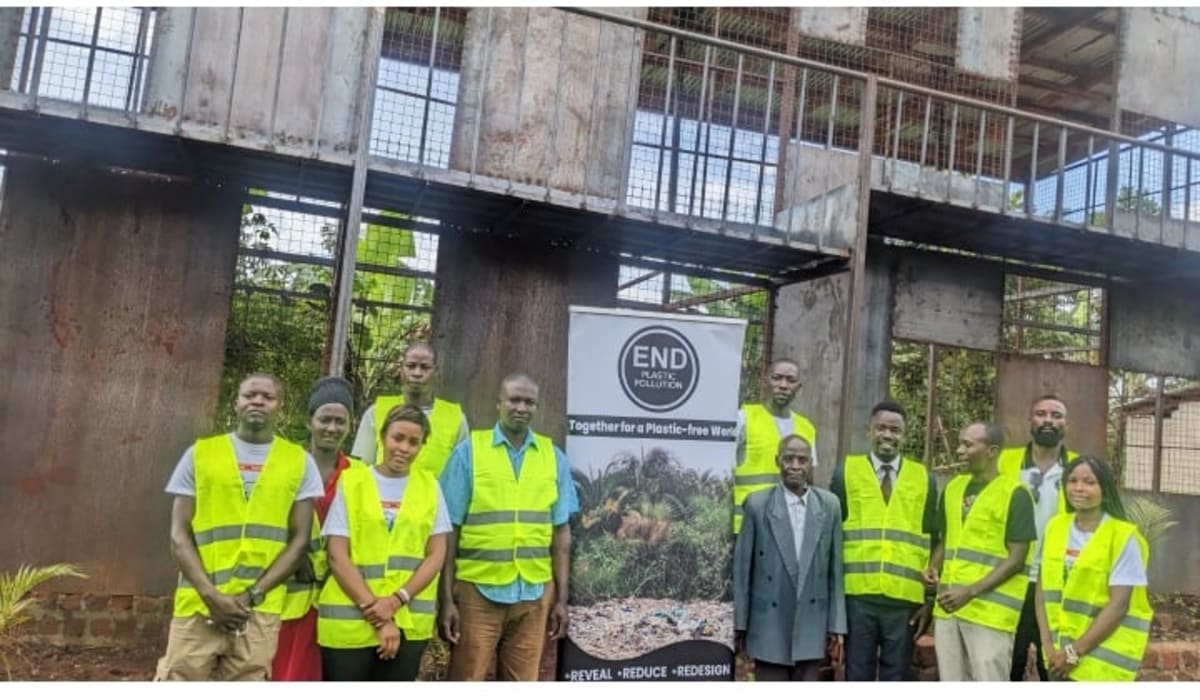
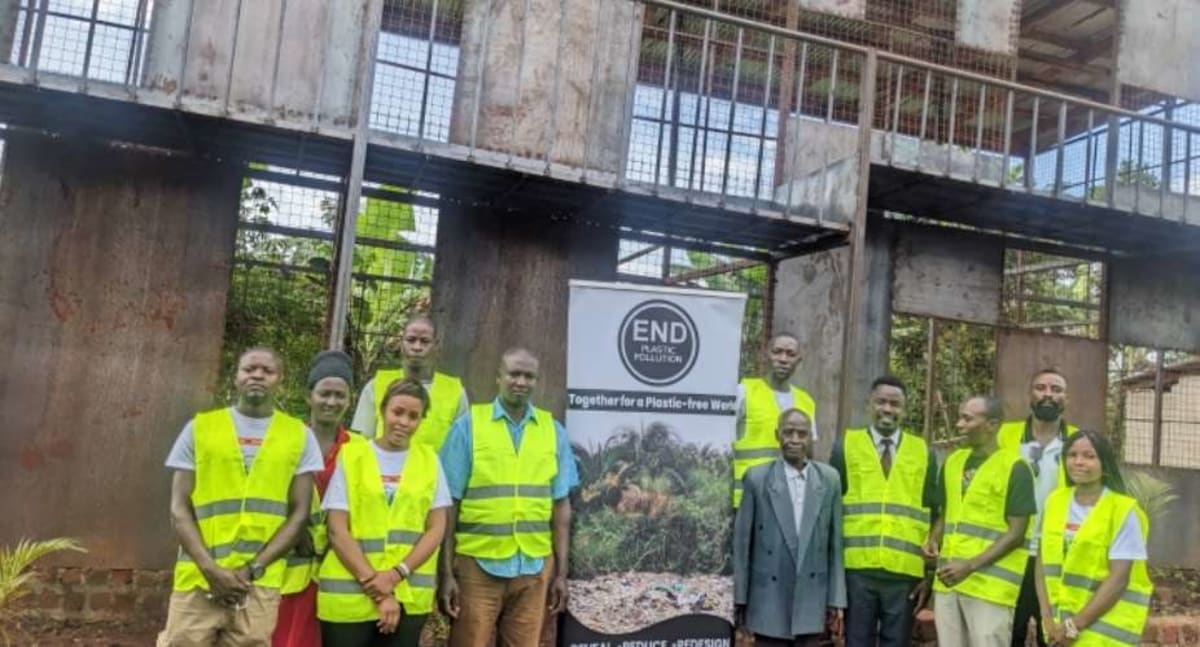
That's exactly what's happening in three African cities where zero waste projects are rewriting the climate playbook. In Uganda's Masulita Town, a community once drowning in garbage has boosted waste recovery by 30 percent and kept massive amounts of trash out of dumpsites that belch methane into the atmosphere.
The Global Alliance for Incinerator Alternatives is partnering with grassroots groups across East and Central Africa to prove sustainable waste management works. These aren't just environmental wins. They're creating economic opportunities and healthier neighborhoods in places that need them most.
In Addis Ababa, Ethiopia, Eco-Justice Ethiopia is teaching residents how to compost and supporting the informal waste pickers who've always been recycling heroes without recognition. The organization successfully pushed national conversations away from harmful waste incineration toward systems that actually build community wealth.
Meanwhile, the Democratic Republic of Congo's Bukavu Zero Waste City initiative has reached over 100,000 people. Workers there have collected hundreds of tons of waste and transformed organic scraps into compost and agricultural resources that local farmers depend on.
The climate math is simple but powerful. The Intergovernmental Panel on Climate Change ranks waste as the world's third-largest source of methane emissions. Methane traps heat far more effectively than carbon dioxide, making every ton of garbage diverted from dumps a victory against rising temperatures.
The Ripple Effect
These projects prove that climate solutions don't have to come from expensive technology or foreign aid. When communities control their own waste systems, they create jobs for people who need them, reduce the pollution making families sick, and keep greenhouse gases out of the atmosphere.
Stakeholders at a recent "Zero Waste Stories from Africa" webinar emphasized that empowering communities and integrating informal waste workers transforms what cities throw away into valuable resources. What once seemed like an unfamiliar Western concept now looks like Africa's homegrown answer to climate change, inequality, and economic struggle.
The blueprint is working, and cities across the continent are watching closely.
More Images



Based on reporting by Google News - Plastic Reduction
This story was written by BrightWire based on verified news reports.
Spread the positivity!
Share this good news with someone who needs it