African Farmers Plant 28 Million Trees and Count Carbon
Over 265,000 farmers in East Africa have planted more than 28 million trees on their own land, creating a powerful solution that fights climate change while putting money directly into their pockets. The Giving Trees project proves environmental action and economic empowerment can grow from the same soil.
📺 Watch the full story above
Imagine turning your struggling farmland into a thriving forest that feeds your family, enriches your soil, and earns you income for decades. That's exactly what's happening across East Africa, where a quarter million farmers have planted 28 million trees and counting.
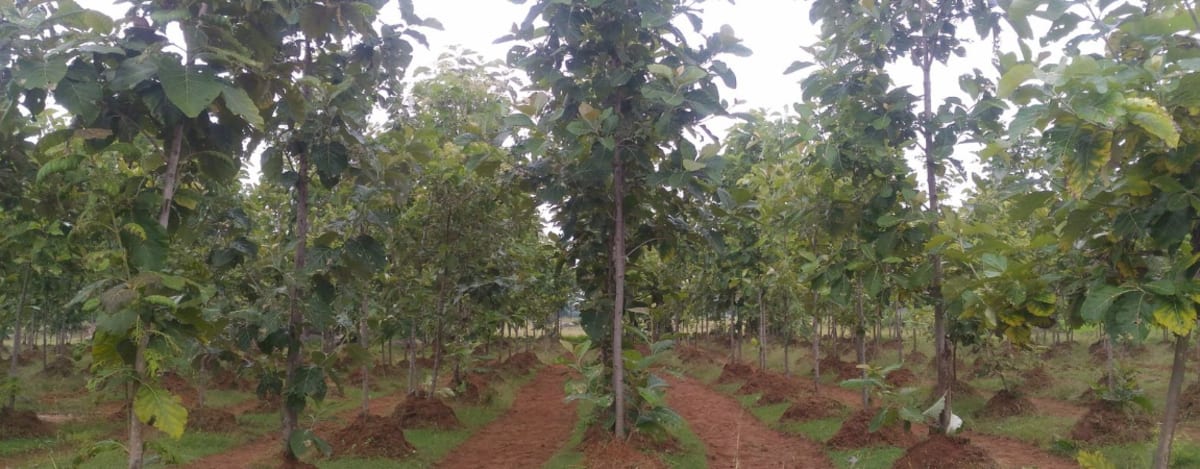
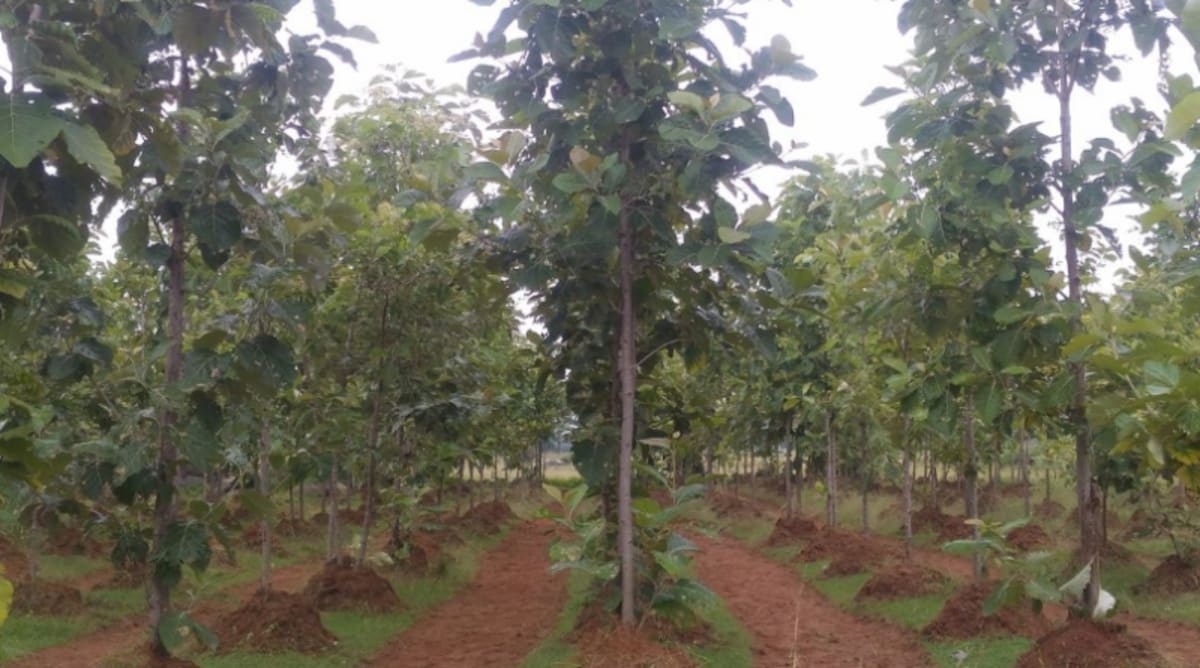
The Giving Trees initiative, run by nonprofit Cool Effect through the TIST program, works differently than typical tree-planting campaigns. Farmers voluntarily join and plant trees on their own land, growing seedlings from seeds or cuttings shared within their communities. They decide which trees to plant based on what their local environment needs.
These aren't just numbers on a climate report. Each tree gets tracked for at least 30 years using GPS technology, ensuring transparent carbon removal data. Not every seedling survives drought or grazing, so farmers plant multiple trees and actively manage them as they grow.
The financial model changes everything. Farmers receive 70% of carbon credit profits directly, turning environmental stewardship into steady income. The trees simultaneously restore degraded soil, reduce erosion, and boost crop yields on the same land.
Beyond carbon removal, the trees provide fruit, timber, and fuelwood that families use daily. Women particularly benefit from new income opportunities, and communities gain resources for better nutrition and cleaner cooking fuel.
The program now includes over 265,000 smallholder farmers who are building climate resilience on their own terms. As neighboring farmers witness improvements in soil health and income, word spreads naturally, and more small groups form to start planting.
The Ripple Effect: This community-led model solves multiple problems at once. While pulling carbon from the atmosphere, it strengthens food security, creates jobs, and gives farmers control over their economic futures. The GPS monitoring system ensures accountability, so every tree counted represents real environmental progress and real money reaching rural communities. As farmers propagate new trees from their existing ones, some turn seedling cultivation into small businesses, spreading both economic opportunity and environmental benefits further across the region.
What started as a climate solution has become a self-sustaining cycle of reforestation, economic growth, and community empowerment that will keep growing for generations.
More Images
Based on reporting by CleanTechnica
This story was written by BrightWire based on verified news reports.
Spread the positivity!
Share this good news with someone who needs it