African Leaders Launch Plan to End AIDS and TB by 2030
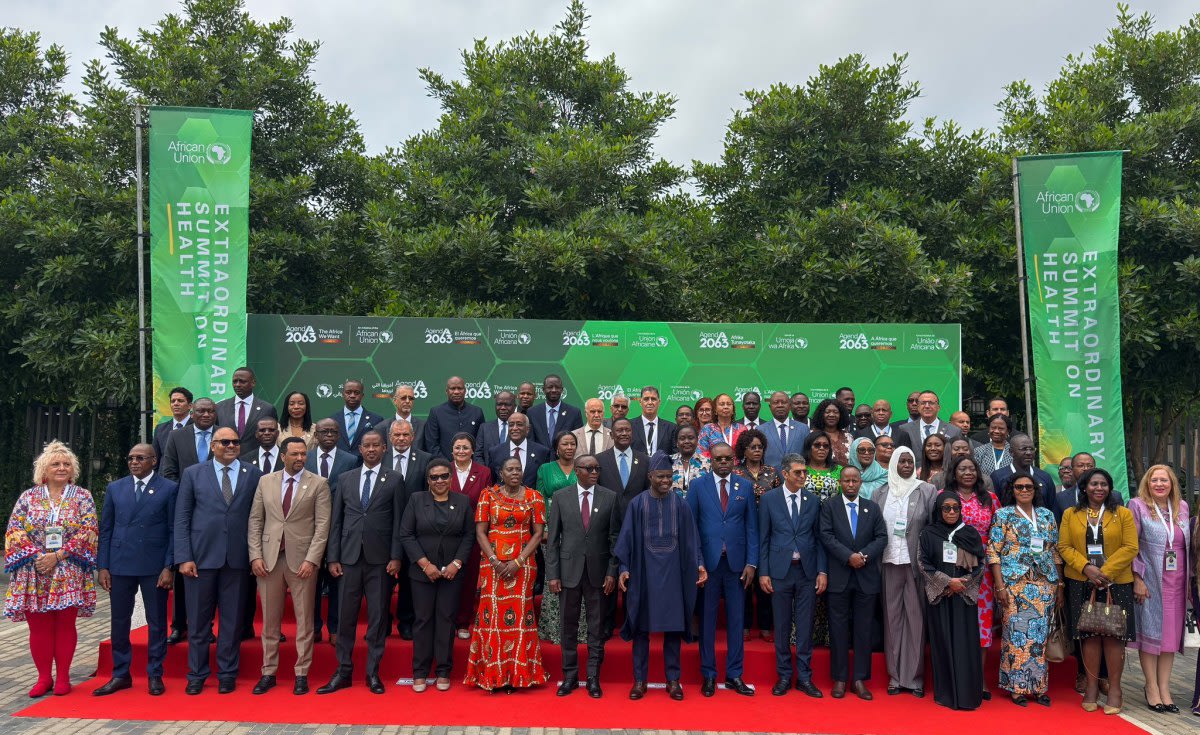
African presidents and health ministers just approved a fully-costed roadmap to eliminate AIDS and tuberculosis by 2030 while boosting local medicine production. The historic summit in Accra marks Africa designing its own health future instead of relying on declining global aid.
African leaders just committed to something bold: ending AIDS and tuberculosis across the continent by 2030, and they're backing it up with a concrete plan and local pharmaceutical manufacturing to make it happen.
Heads of state from Ghana, Burundi, Tanzania, Benin, and Ethiopia gathered in Accra this week for an extraordinary African Union health summit. They joined the World Health Organization and hundreds of experts to tackle the continent's biggest health challenges head-on.
The two-day summit produced a fully-costed continental roadmap with measurable targets and timelines. No more empty promises or documents gathering dust.
President John Dramani Mahama of Ghana set the tone with a powerful challenge to his fellow leaders. "The people of Africa may never read the declarations we adopt here, but they must experience their impact in better hospitals, reliable medicines, efficient clinics and healthier lives," he said.
The summit tackled three major priorities: ending AIDS and tuberculosis by 2030, reducing maternal mortality, and building local pharmaceutical manufacturing capacity. The African Medicines Agency is moving from treaty language to actual factories and medicine production.
Ghana's president emphasized that Africa has matured enough to evaluate its own progress without external supervision. The plan includes regular monitoring, peer review, and accountability measures to ensure countries follow through.
The Ripple Effect
The timing couldn't be more critical. Global health funding is dropping just as Africa needs it most, but that's pushing the continent toward self-reliance.
The WHO's Dr. Tedros Ghebreyesus shared encouraging news: HIV infections across Africa have already dropped 40 percent since 2010. That progress proves what's possible when African nations coordinate their efforts.
But infections alone don't tell the whole story. UN Secretary-General Antonio Guterres reminded the summit that epidemics thrive on inequality, and fighting disease means tackling poverty, poor education, unsafe water, and gender inequality at the same time.
The pharmaceutical manufacturing initiative could transform Africa's health independence. Instead of waiting for medicines designed and produced elsewhere, African countries will manufacture treatments locally, creating jobs and ensuring reliable supply chains.
Tanzania's President Samia Suluhu Hassan and other leaders committed to diversified sustainable health financing that doesn't depend on unpredictable foreign aid. Community-centered primary healthcare will reach people where they live instead of forcing them to travel to distant hospitals.
The roadmap includes specific frameworks for tracking progress on non-communicable diseases like diabetes and heart disease, plus neglected tropical diseases that still plague millions of Africans.
Africa now architects its own health destiny, with mothers holding healthy babies and communities accessing quality care as the ultimate measures of success.
Based on reporting by AllAfrica - Health
This story was written by BrightWire based on verified news reports.
Spread the positivity!
Share this good news with someone who needs it