African Solar Startups Now Outpace Fintech for VC Funding
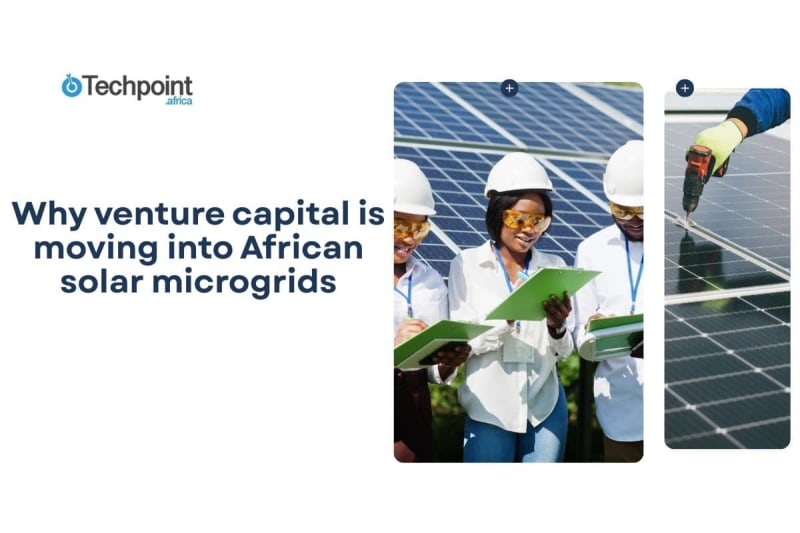
Venture capital is flooding into African solar microgrids after years of betting big on fintech. Over 600 million Africans still lack reliable electricity, and investors are discovering that clean energy offers something fintech couldn't: predictable profits. #
Venture capital just found a new favorite in Africa, and it's not another payment app. After nearly a decade of pouring billions into fintech startups, investors are now rushing toward solar microgrids with the same enthusiasm they once reserved for digital wallets.
The numbers tell the story. In 2025, Kenyan startups raised $984 million, their highest haul since 2022. Energy companies led the charge, with Sun King securing $40 million and Mawingu adding $20 million. Meanwhile, fintech funding rebounded to $1 billion across Africa but now faces much tougher scrutiny from investors demanding profits, not just growth.
The shift makes sense when you look at what happened to fintech. Between 2016 and 2021, any startup that moved money digitally could raise capital quickly. Apps scaled fast, user numbers soared, and investors loved the growth curves.
Then reality arrived. By 2022, the sector became crowded and expensive. Customer acquisition costs exploded as every startup chased the same users with the same promotional offers. Margins shrank as payment companies raced to offer the lowest fees.
Regulators stepped in too, tightening requirements and slowing the breakneck experimentation that fueled early growth. Many fintechs survived on subsidies and soft capital, not actual profits. Exit timelines stretched and IPO dreams cooled.
Solar microgrids offered a refreshing alternative. More than 600 million Africans still lack reliable electricity, and businesses lose money every day when the power cuts out. Shops close early, factories stall mid-production, and small businesses burn their margins on diesel fuel.
Governments can't close this gap alone, stretched thin by debt and slow infrastructure timelines. That leaves room for private investment, and solar technology finally caught up to the opportunity.
Solar panels dropped dramatically in price. Battery storage became more efficient and longer-lasting. Remote monitoring reduced maintenance risks, and prepaid meters eliminated revenue leakage. Energy infrastructure started looking like software, measurable and scalable.
The business model appeals to investors in ways fintech no longer does. Solar companies offer pay-as-you-go billing, long-term energy contracts, and anchor customers like telecom towers and industrial businesses. Revenue is predictable and often dollar-linked or inflation-hedged.
Diesel generators, the old default backup plan, are becoming liabilities. Fuel prices swing wildly, logistics are unreliable, and operating costs keep climbing. Solar offers stable pricing and cleaner economics over the long term.
The Ripple Effect
This funding shift means more than just better returns for investors. It means millions of African businesses can finally operate reliably without expensive diesel backup. It means students can study after dark and clinics can keep vaccines cold overnight.
The energy gap that has held back economic growth for decades is becoming an investment opportunity, not just a development challenge. Venture capital's move from fintech to solar isn't abandoning progress. It's funding a different kind of infrastructure that African economies desperately need.
Fintech didn't fail. It matured. And in maturing, it made room for capital to flow toward the next frontier where the fundamentals actually work.
#
More Images

Based on reporting by Techpoint Africa
This story was written by BrightWire based on verified news reports.
Spread the positivity!
Share this good news with someone who needs it