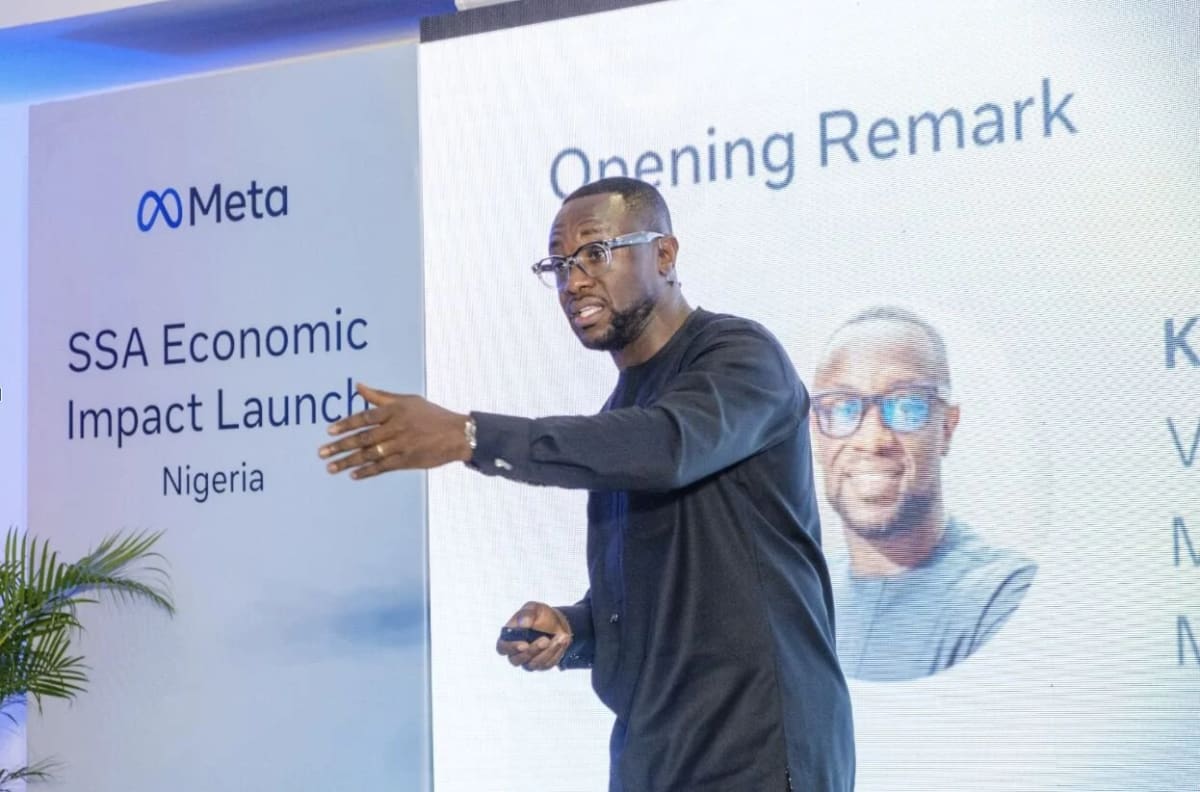
Africa's Digital Economy Could Hit $300B by 2035
Sub-Saharan Africa's digital economy is projected to more than double from $130 billion today to $300 billion by 2035, powered by infrastructure improvements and AI innovation. The growth could bring 90 million more Africans online and create massive opportunities for education, healthcare, and small businesses.
Imagine a future where three million students get instant math help through WhatsApp, or where expectant mothers in remote villages receive life-saving health advice via text message. That future is already unfolding across Sub-Saharan Africa.
A new report estimates the region's digital economy will jump from $130 billion to $300 billion by 2035. The projection comes from research examining how improved internet infrastructure and artificial intelligence tools are transforming daily life across the continent.
The changes start with something invisible but crucial: undersea cables carrying internet data. The 2Africa cable project will deliver enough capacity to potentially connect 90 million additional Africans to the internet over the next decade. That massive bandwidth boost means doctors can conduct real-time telemedicine consultations and students can access cloud-based learning tools without frustrating delays.
Small businesses are already feeling the impact. An estimated 74 million African small and medium enterprises now use social media platforms as digital storefronts, generating $3.6 billion in direct business activity this year alone.
The AI revolution is creating homegrown solutions to local challenges. In South Africa, an AI study assistant called Foondamate helps students tackle math problems, research essays, and understand complex concepts, all through familiar messaging apps. More than three million students have already used the service.
In Kenya, pregnant women and new mothers receive personalized care information through an AI-powered SMS system called PROMPTS. The system reads incoming messages, assesses risk levels, and connects users with nurses when needed, bringing quality healthcare guidance to women who might otherwise lack access.
Nigeria just launched GovGuide, a multilingual AI chatbot that helps citizens navigate government services in English, Hausa, Igbo, and Yoruba. It's the kind of practical innovation that makes bureaucracy less overwhelming and more accessible to everyone.
The Ripple Effect spreads far beyond individual success stories. When infrastructure improves and AI tools become available in local languages, entire communities gain new opportunities. Nigerian businesses are learning to use AI tools to reach customers and boost revenue. South African students are getting homework help that would have been impossible to access just years ago. Kenyan mothers are receiving health information that could save lives.
Survey results show 81 percent of online adults in Sub-Saharan Africa believe locally developed AI products will be crucial for the continent's economic growth. Another 66 percent of business leaders say they'd use open-source AI tools if they were available and accessible.
The economic projections suggest open-source AI models alone could generate $23 billion in value for the region over the next decade. Combined with infrastructure investments, the total additional economic impact could reach $150 billion by 2035.
These aren't just numbers on a spreadsheet but represent real people getting better education, healthcare, and business opportunities. The digital transformation happening across Africa shows what's possible when infrastructure investment meets local innovation and determination.
More Images
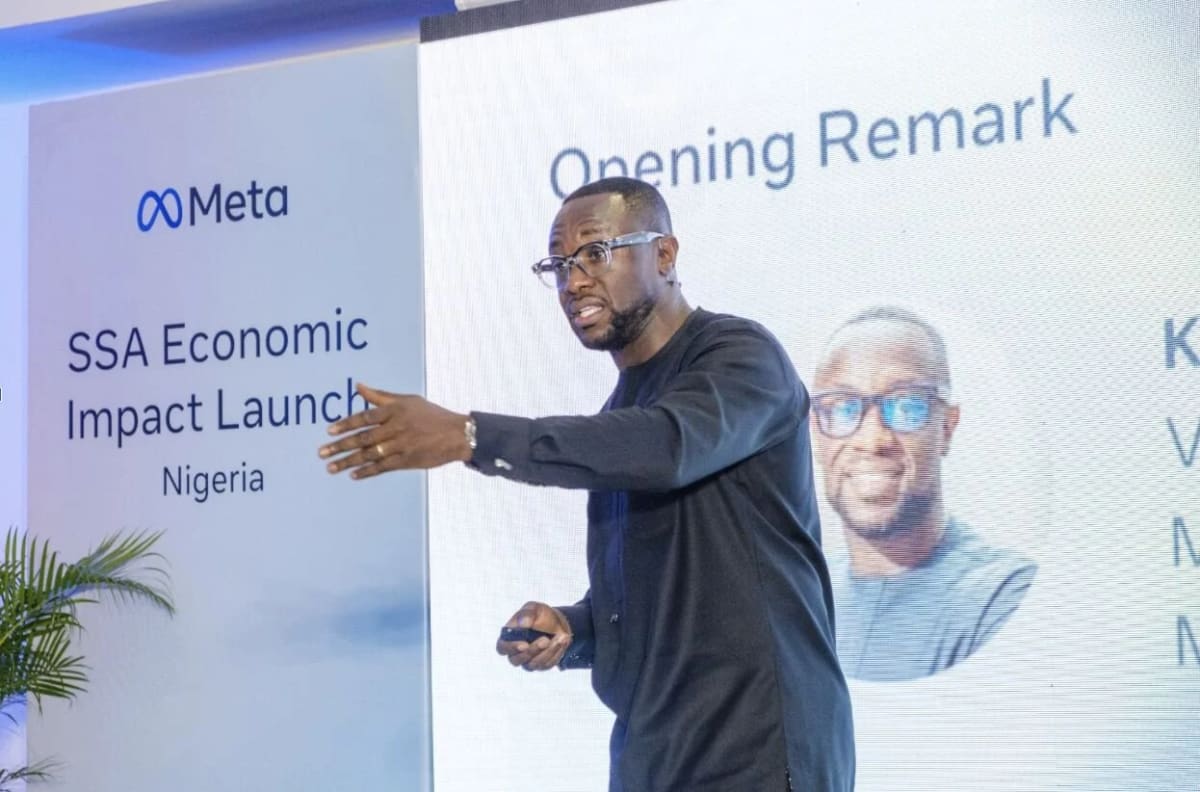



Based on reporting by Google: economic growth report
This story was written by BrightWire based on verified news reports.
Spread the positivity!
Share this good news with someone who needs it