Africa's $10B Clean Energy Push Targets 10 Gigawatts by 2030
Major investors are pouring billions into African renewable energy projects, turning the continent's massive solar and wind potential into real power. A new framework aims to unlock even more funding by proving clean energy projects can deliver measurable returns.
Africa holds enough wind and solar potential to power the world several times over, but only a tiny fraction has attracted the funding needed to build actual power plants. That's starting to change as investors discover how to turn theoretical promise into bankable projects.
At the upcoming African Energy Week, the Zayed Sustainability Prize will host a session focused on bridging the gap between innovation and investment. The goal is simple: show investors that African clean energy projects can deliver measurable impact and reliable returns, just like other proven infrastructure investments.
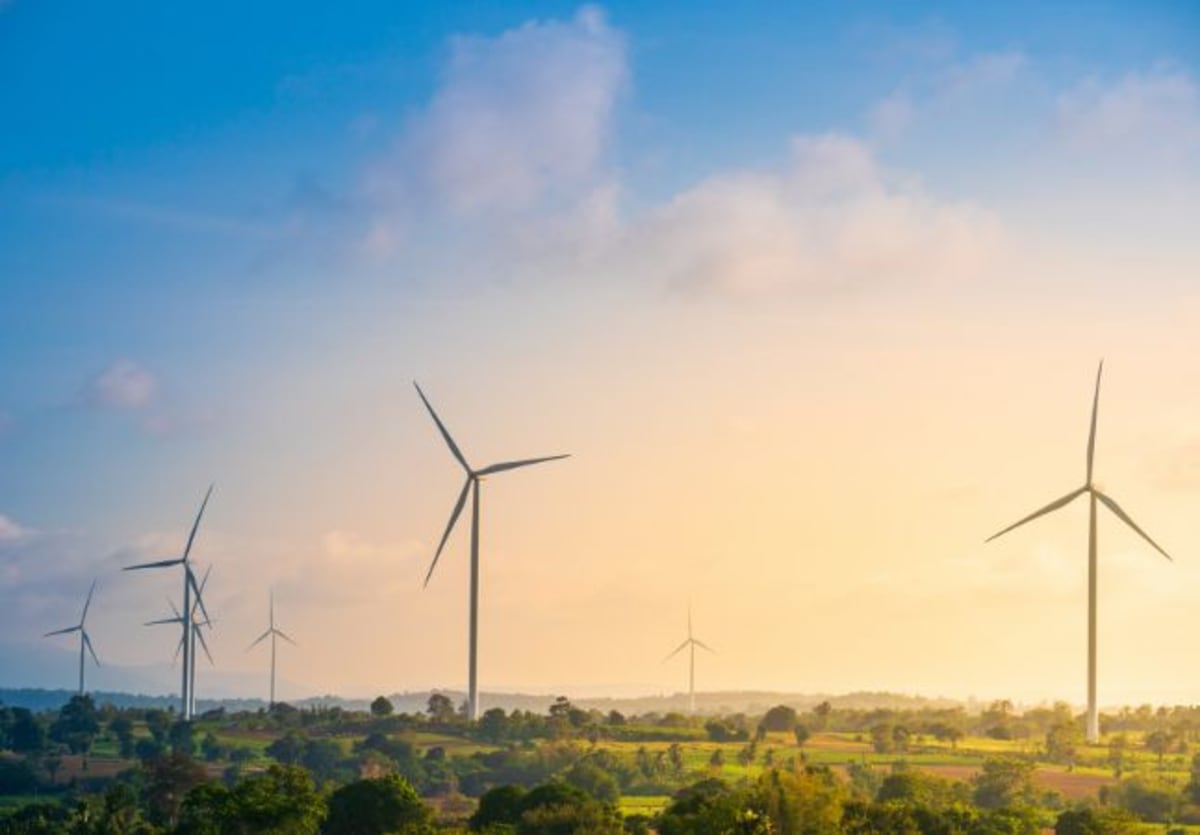
The momentum is already building. Masdar and Africa50 have launched a $10 billion initiative to build 10 gigawatts of renewable capacity by 2030. Egypt is developing a massive 10-gigawatt wind project, while Morocco plans a $27.2 billion green hydrogen complex that could transform the country into a clean energy exporter.
These projects follow a playbook that's working in another fast-growing sector: data centers. While Africa currently hosts just 1% of global data center capacity, the continent has over 500 megawatts operational with another 890 megawatts under construction. South Africa's AI data center market alone is projected to jump from $99 million to $573 million by 2031.
Data centers attract funding quickly because investors can see clear demand and understand the revenue model. Clean energy projects can follow the same path by demonstrating early wins that prove commercial viability.
The Ripple Effect
When clean energy projects secure funding and prove successful, they create a template others can follow. Each completed solar farm or wind project reduces perceived risk for the next one, making it easier for smaller innovations to attract capital.
This validation cycle could accelerate progress across Africa's 850 terawatts of renewable potential. As more projects move from theoretical to operational, they'll create jobs, lower energy costs, and prove that Africa can lead the global transition to clean power.
The framework emerging from forums like African Energy Week isn't just about building power plants. It's about establishing trust between African innovators and global investors, showing that the continent's renewable resources can become reliable, profitable infrastructure that benefits everyone.
Africa's clean energy future is moving from possibility to reality, one bankable project at a time.
Based on reporting by Google News - Clean Energy
This story was written by BrightWire based on verified news reports.
Spread the positivity!
Share this good news with someone who needs it