Africa's EV Revolution: 80K Electric Bikes Now on the Road
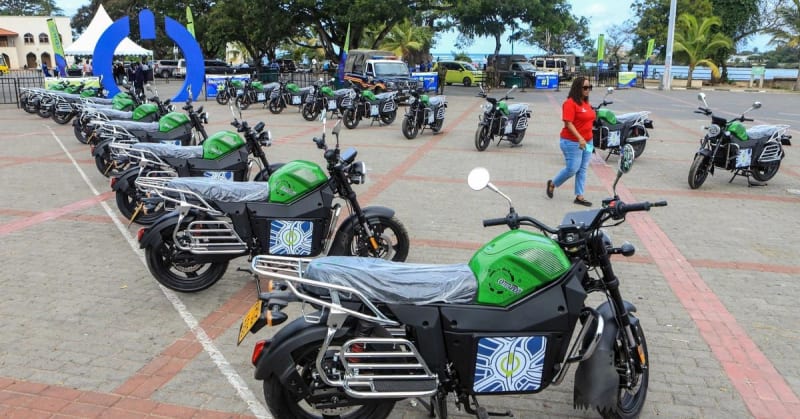
Electric motorcycle company Spiro just secured $50 million to expand its clean transportation network across six African countries, where demand for electric bikes is surging. The company has grown from under 10,000 bikes in 2023 to 80,000 today, with 2,500 battery swapping stations making electric transport more accessible than ever.
Electric motorcycles are transforming how millions of Africans get around, and one company just proved the revolution is gaining serious momentum.
Spiro, an electric motorcycle manufacturer, raised $50 million from the African Export-Import Bank to expand its growing network across Benin, Kenya, Nigeria, Rwanda, Togo, and Uganda. The Dubai-based company now operates 80,000 electric motorbikes and 2,500 battery swapping stations, a massive leap from fewer than 10,000 bikes just two years ago.
The timing couldn't be better. In cities like Lagos, Nairobi, and Kampala, two-wheelers are the quickest way to navigate congested streets where less than a fifth of roads are paved. These bikes, known locally as boda bodas, are essential lifelines for commuters rushing between work, school, and home.
What makes Spiro's model work is simplicity. Riders bring discharged batteries to swapping stations and exchange them for charged ones in minutes. The company manufactures its own electric motorbikes and partners with local franchisees for repairs and technical support, creating jobs while building infrastructure.
East Africa is leading the charge. National governments there have introduced policies to encourage electric vehicles and phase out new commercial gas vehicles. CEO Kaushik Burman says the regulatory support has helped Spiro grow faster in Kenya, Rwanda, and Uganda than anywhere else on the continent.
Nigeria presents a different challenge. A large local oil refinery now supplies fuel reliably, which means Spiro needs to sharpen its business case. "Nigeria is probably going to involve some recalibration to see how the fuel market is trending and how Spiro can still make a solid business case," Burman explained.
The Ripple Effect
This expansion means cleaner air in cities where pollution has been a growing health concern. Every electric motorcycle replacing a gas-powered bike cuts emissions and reduces dependence on imported fossil fuels, keeping money in local economies.
The impact goes beyond environmental benefits. Local franchisees receive technical training, creating skilled jobs in communities across six countries. Battery swapping stations provide new business opportunities for entrepreneurs who want to be part of the green energy transition.
Competition is heating up too, which Burman welcomes. Kenya-based Roam assembles electric motorbikes in a massive 10,000 square meter factory and recently opened a crowdfunding campaign to raise up to $20 million. Nigerian company Saglev is building electric vans and taxis using Chinese-made components.
The affordability challenge remains real. A typical Spiro model costs over $1,000 in Nigeria, nearly twice the price of a reliable petrol motorbike. But as production scales up and battery technology improves, those prices should come down.
Burman sees all these players as allies, not enemies. "Our competition is not another EV player but gas bikes and the hydrocarbon industry that we want to substitute."
With over $230 million raised since 2022 and demand exploding across the continent, Africa's electric vehicle revolution is just getting started.
More Images



Based on reporting by Google News - Electric Vehicle
This story was written by BrightWire based on verified news reports.
Spread the positivity!
Share this good news with someone who needs it