Africa's EV Revolution: Cheaper Cars Coming by 2040
Electric vehicles from scooters to minibuses could cost less than gas-powered vehicles across Africa within 16 years, according to new research. Bold policies and growing local manufacturing are accelerating the shift to clean transportation across the continent.
Africa is on track for an electric vehicle revolution that could make clean transportation cheaper than gas by 2040, offering hope for millions of drivers across the continent.
A recent study in Nature Energy found that EVs ranging from scooters to minibuses will become more affordable to own than traditional vehicles within the next two decades. The shift is already gaining momentum thanks to aggressive government policies and expanding local manufacturing.
Ethiopia made history in 2024 by becoming the first country in the world to ban imports of non-electric private vehicles. The move makes economic sense for a nation where gasoline costs run high and clean electricity is becoming abundant.
The country just commissioned Africa's largest hydropower dam in September 2025. The nearly $5 billion project doubled Ethiopia's peak power capacity to five gigawatts, providing cheap and reliable electricity for charging vehicles.
Rwanda is taking its own bold steps by banning new registrations for gas-powered commercial motorbikes in Kigali last year. These motorbike taxis make up over half the vehicles on the capital's streets, making the policy a major turning point for urban transportation.
The momentum extends beyond policy into manufacturing. Spiro, a Dubai-based electric motorbike company, recently raised $100 million to expand across Africa and now has over 60,000 bikes on the road with 1,500 battery swap stations operating.
Chinese battery company Gotion High-Tech is building Africa's first battery gigafactory in Morocco. The $5.6 billion project will produce enough batteries for hundreds of thousands of EVs annually starting in 2026.
BYD, the world's largest EV company, plans to have 70 dealerships across South Africa by the end of this year. The expansion brings high-quality, affordable vehicles to African buyers at prices made possible by Chinese manufacturing scale.
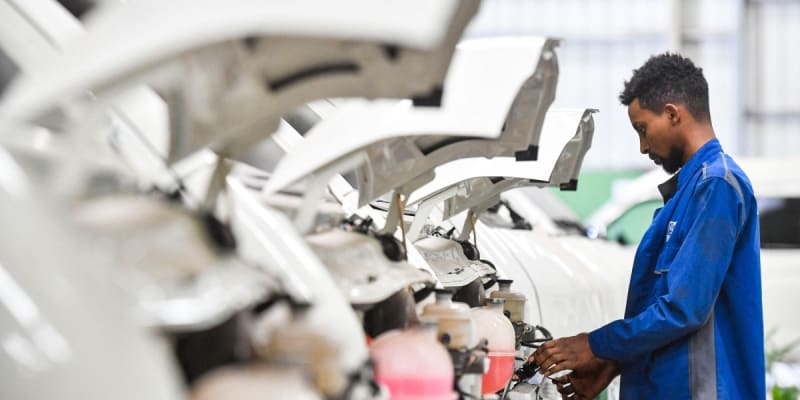
Local assembly is already happening in Morocco, Kenya, Rwanda, and Uganda for electric two-wheelers. In 2025, EVs made up 45% of new sales for these smaller vehicles globally, far outpacing the 25% share for cars and trucks.
The Ripple Effect
The transformation goes beyond individual transportation choices. Kelly Carlin from the Rocky Mountain Institute calls the influx of affordable, high-quality EVs "a game changer" for African nations.
Cheap electricity from renewable sources like Ethiopia's new hydropower dam means lower operating costs for drivers. Battery swap stations solve charging infrastructure challenges while creating new local jobs.
The manufacturing expansion brings economic opportunities across multiple countries. Assembly facilities create employment while reducing import costs and building technical expertise in growing industries.
Africa's 54 countries each face unique challenges with grid infrastructure and reliability, but progress is accelerating. The combination of supportive policies, expanding manufacturing, and improving electricity access is creating real momentum.
Clean, affordable transportation is coming to Africa faster than most experts predicted just a few years ago.
Based on reporting by MIT Technology Review
This story was written by BrightWire based on verified news reports.
Spread the positivity!
Share this good news with someone who needs it