Africa's Renewable Energy Investment Outpaces Fossil Fuels 8:1
Renewable energy investment in Africa has surged past fossil fuel funding by a ratio of 8:1, marking a turning point for a continent where 600 million people still lack reliable electricity. Clean energy projects are now powering economic growth while creating jobs and expanding access to affordable power.
Africa is building its energy future on sunshine and wind, not coal and gas.
In 2025, Standard Bank's financing for renewable energy projects outpaced fossil fuel power generation by eight to one. This dramatic shift signals that clean energy has moved from experimental to essential across the continent.
The stakes couldn't be higher. Nearly 600 million Africans still live without reliable electricity, making energy access one of the biggest barriers to economic development.
Solar and wind farms are now racing ahead, powered by falling technology costs and growing investor confidence. Standard Bank alone mobilized 47.1 billion rand ($2.6 billion) in green finance last year, already hitting 62% of its 2028 sustainability goal.
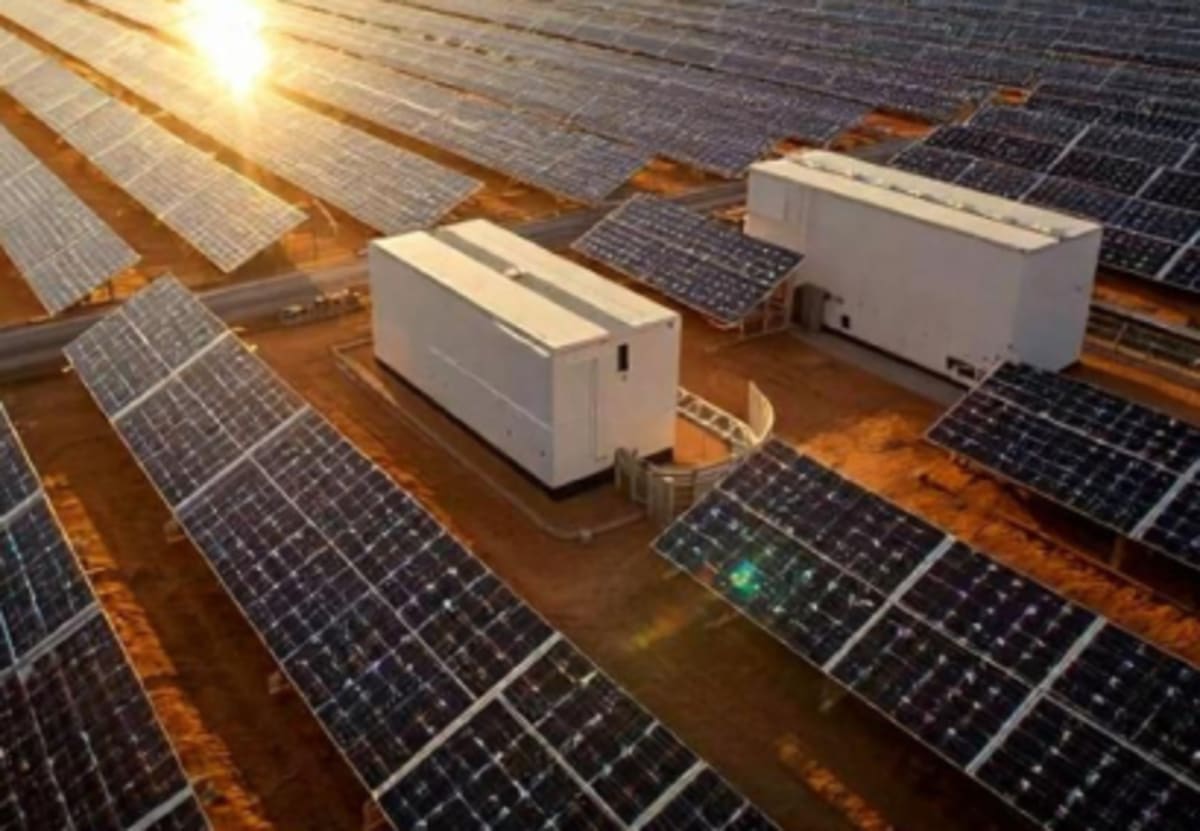
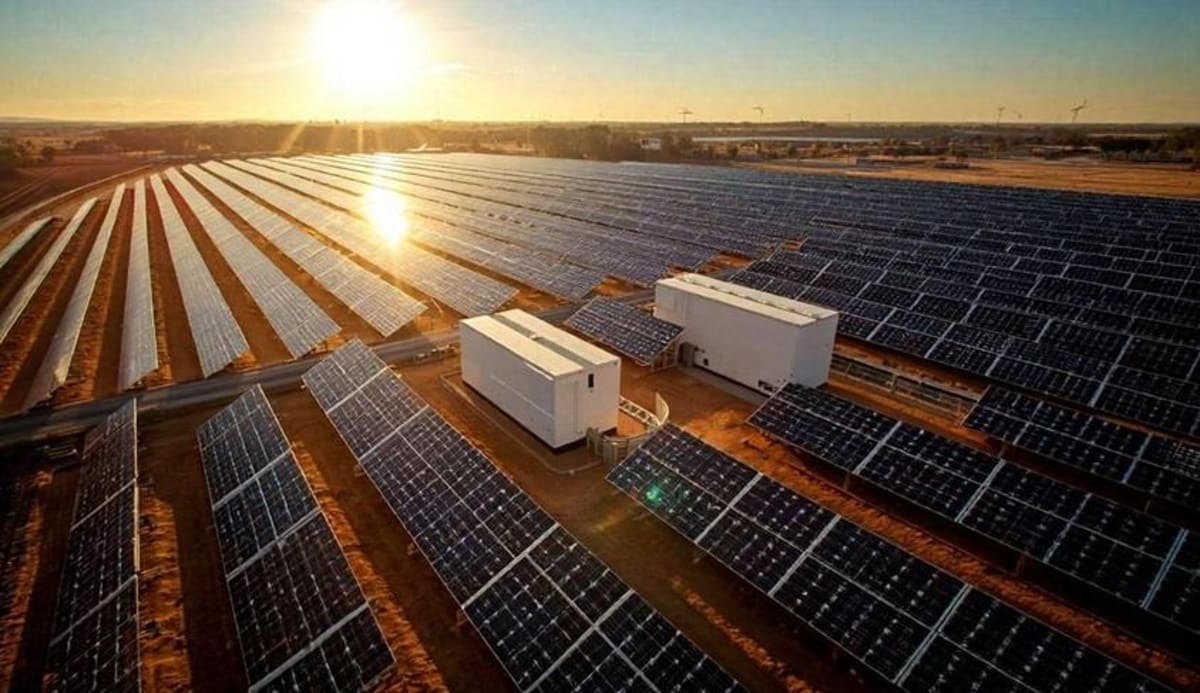
The numbers tell a story of rapid transformation. The bank recently financed the 506MW Khauta South and West Solar projects in South Africa's Free State, which will generate over 1,000GWh annually for corporate customers.
Another landmark deal supports the 465MW Ummbila Emoyeni wind portfolio in Mpumalanga, now South Africa's largest privately owned wind platform. The 400MW Overberg Wind Farm will soon power major industrial users including Richards Bay Minerals.
The Ripple Effect
This energy revolution extends far beyond keeping the lights on. Renewable projects are creating entire value chains and opening doors for local industries to participate in the global green economy.
Communities benefit directly through new jobs and more reliable power. Unlike fossil fuel projects that often concentrate benefits among a few, solar and wind farms require ongoing local maintenance and create distributed economic opportunities.
The shift also helps African nations leapfrog outdated infrastructure. Instead of building centralized coal plants and extensive transmission networks, countries can deploy distributed renewable systems that reach remote areas faster and cheaper.
Battery storage systems are solving the intermittency challenge, ensuring that solar power captured during the day keeps hospitals and schools running at night. This combination of generation and storage is proving more reliable than aging diesel generators.
Standard Bank's Boitumelo Sethlatswe captured the moment: "Renewables are no longer a marginal addition; they are becoming critical to capacity." The focus now centers on ensuring this transition creates inclusive growth while building economies resilient to future climate shocks.
Challenges remain, including regulatory complexity and infrastructure gaps in some markets. Yet the 8:1 investment ratio shows where momentum is heading.
Africa is proving that economic development and climate action can advance together, lighting a path forward for 1.4 billion people.
Based on reporting by Google: clean energy investment
This story was written by BrightWire based on verified news reports.
Spread the positivity!
Share this good news with someone who needs it