After Disasters, Americans Turn to Each Other, Study Finds
Twenty-five years of disaster research reveals a stunning pattern: when crisis hits, Americans don't fall apart. They come together, forming stronger bonds that help entire communities heal.
When researchers tracked divorce rates across New York after 9/11, they discovered something unexpected. Instead of rising under stress, divorces dropped 8% below predicted levels and stayed low for years.
That finding kicked off two decades of research into how Americans respond to catastrophe. The answer? We reach for each other.
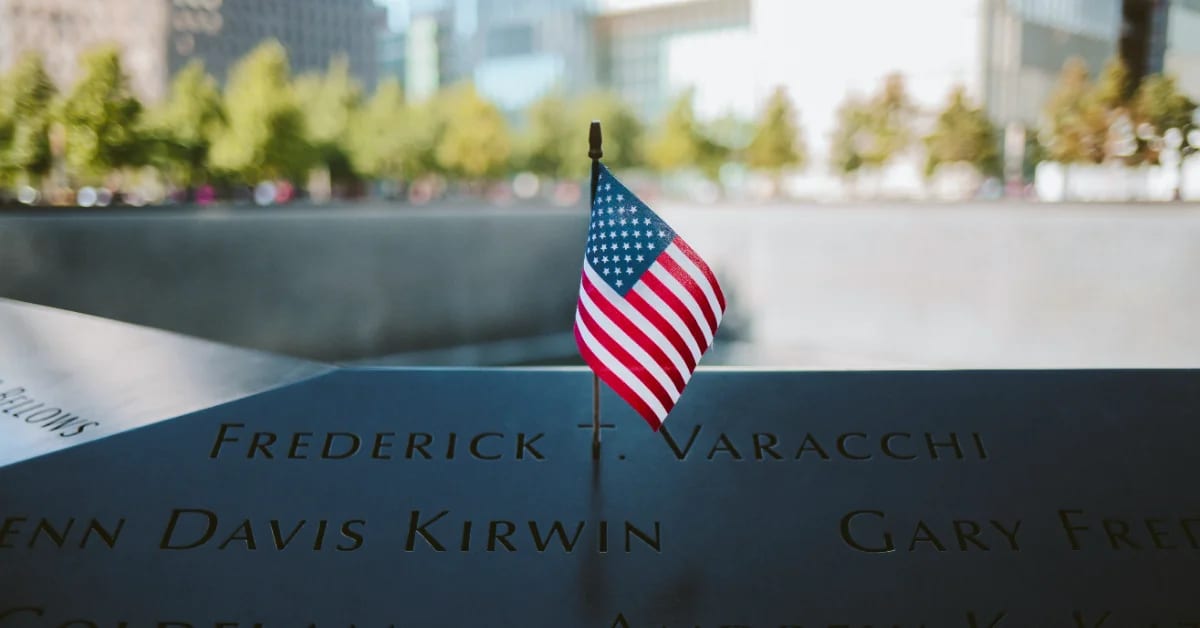
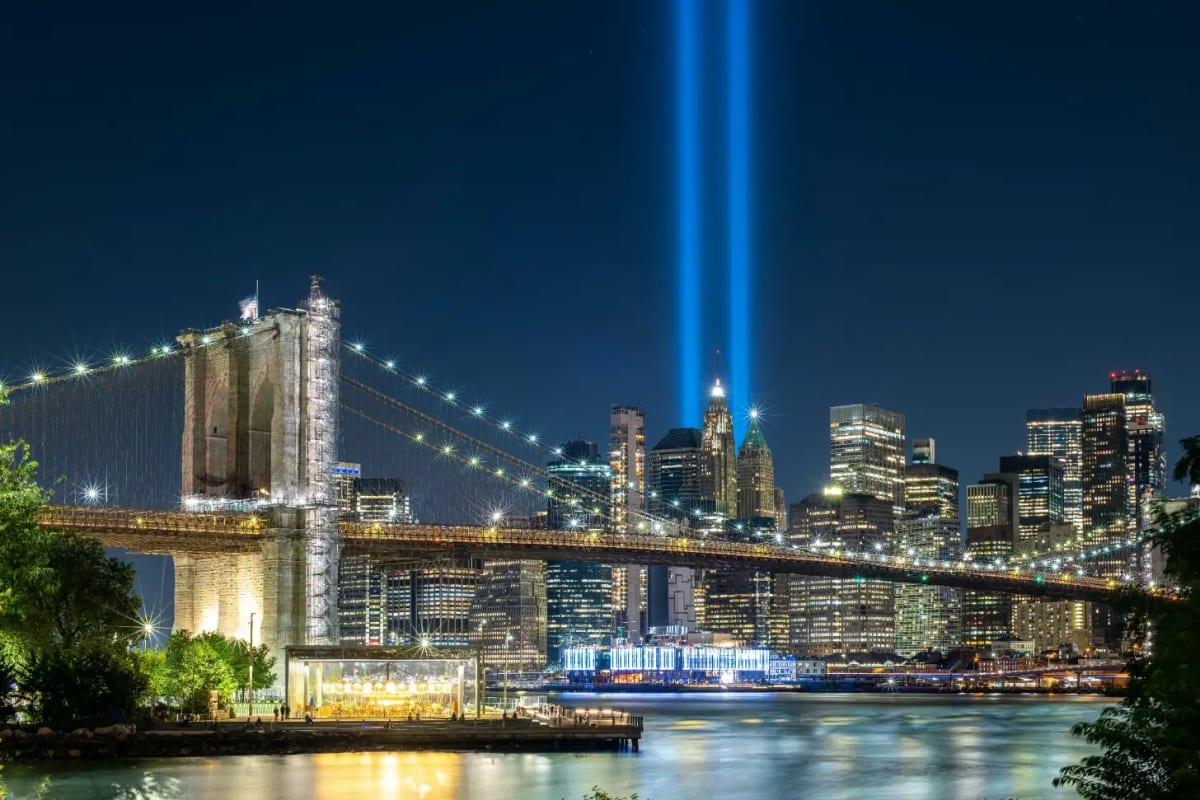
After the September 11 attacks, half of all Americans gave to charity. Nearly a quarter tried to donate blood. Volunteer organizations saw sign-ups surge as people searched for ways to help strangers they'd never meet.
Hurricane Katrina told the same story in 2010. Despite $125 billion in damage and 1,400 deaths, families opened their homes to displaced relatives. Volunteers flooded in from across the country. Two years later, researchers found that children separated from family and community during the storm showed the most trauma, while crisis counselors who'd lost everything themselves found healing through helping others recover.
The pattern repeated in the Gulf Coast after the Deepwater Horizon oil spill, in Maui after the 2023 wildfires, and in Puerto Rico following Hurricane Maria. Different disasters, different decades, but the message stayed the same: lean on community, find strength together.
This matters more now than ever. The National Oceanic and Atmospheric Administration counted 27 billion-dollar disasters in 2024 alone, compared to an average of nine per year since 1980. As climate change accelerates, these events will only grow more frequent.
The research shows a clear dividing line. Communities with adequate resources, fair distribution of aid, and trusted institutions tend to heal together. But when recovery drags on, resources run dry, or support feels uneven, even strong communities can fracture into what researchers call "corrosive communities."
Cordova, Alaska, learned this after the 1989 Exxon Valdez oil spill. Years of economic loss and prolonged litigation eroded trust and weakened social bonds. Some effects lasted decades.
The Ripple Effect
Here's what makes this research hopeful: it shows that connection isn't a luxury during disaster recovery. It's the engine that drives healing forward.
In an era when 62% of Americans cite social divisions as a major stressor and half show signs of loneliness, disasters reveal something powerful about who we really are. Our differences don't vanish in crisis, but we find ways to bridge them anyway.
Survivors of Hurricane Maria extended help beyond their usual social circles, reaching across political and cultural divides. People who normally stayed separate found common ground in shared loss and shared hope.
Recovery isn't an individual achievement. It happens through neighbors checking on each other, volunteers showing up, strangers becoming friends, and communities deciding together that they're worth rebuilding.
Twenty-five years of research points to one truth: when everything falls apart, Americans have a remarkable ability to hold each other up.
More Images


Based on reporting by Good Good Good
This story was written by BrightWire based on verified news reports.
Spread the positivity!
Share this good news with someone who needs it