AI Agents Nudge Humans Toward Cooperation in Study
Michigan State researchers discovered that AI agents designed to mirror human behavior can encourage people to cooperate more, potentially offering a path to building more generous communities. The breakthrough could reshape how we design technology that brings out the best in us.
Scientists may have found a digital helper to bring out humanity's better angels.
Researchers at Michigan State University discovered that artificial intelligence agents can encourage people to be more cooperative and less selfish. The key isn't forcing AI to always play nice, but programming it to reflect our own behavior back at us.
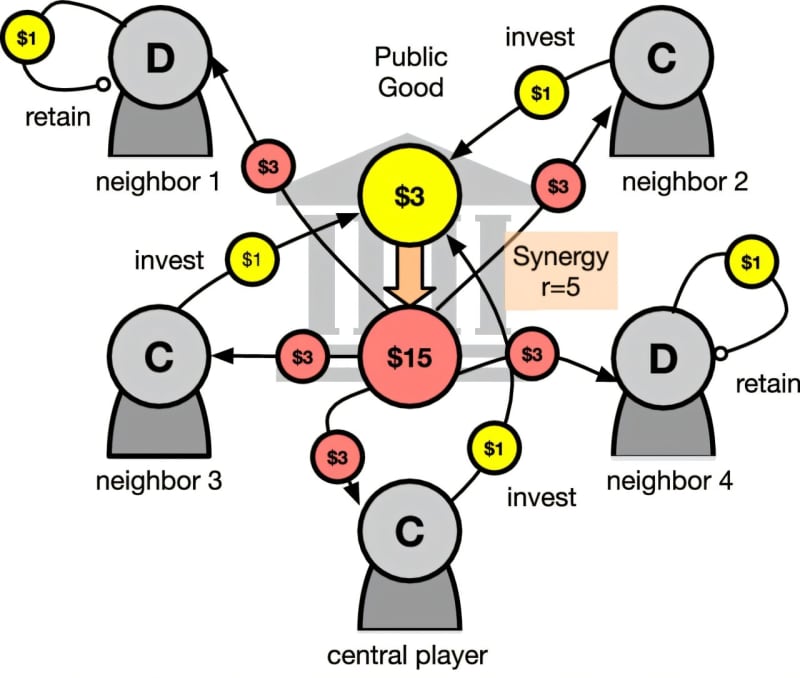
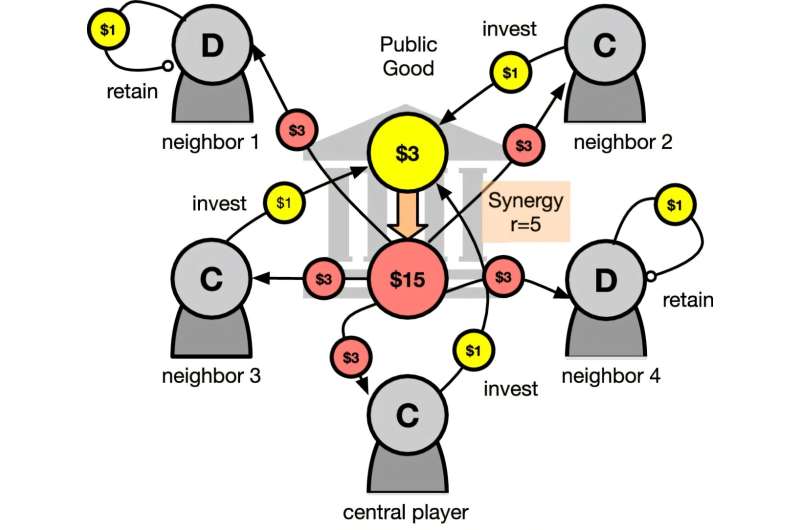
The team studied this using the "Public Goods" game, where players choose between contributing to society or keeping resources for themselves. Professor Christoph Adami and his colleagues ran three different scenarios with AI agents mixed into groups of human players.
The first attempt flopped. When AI agents were programmed to always cooperate, human players ignored them and continued acting selfishly.
The second scenario made things worse. When humans could control the AI agents, they gamed the system by making the bots do all the cooperating while they reaped the rewards without contributing anything themselves.
But the third approach sparked something remarkable. When AI agents were designed to imitate human behavior, cooperation blossomed. These copycat bots created what researchers call "pools of reciprocity" where good behavior inspired more good behavior.
The results, published in npj Complexity, show that mimicry is more than flattery. It's a form of communication that can tip an entire community toward cooperation.
Adami, who has studied cooperation for over 15 years, explains that being a good citizen costs more than being selfish. The challenge has always been lowering that barrier so more people choose the generous path.
The Ripple Effect
While this research happened in a game setting, the implications reach far beyond laboratory walls. The team suggests this approach could improve real-world cooperation, starting with smaller applications like helping self-driving cars work together on crowded roads.
The study reveals something counterintuitive about building a better society. Always being nice doesn't work as well as standing firm against bad behavior. AI that mirrors our actions creates accountability, showing us the consequences of our choices in real time.
This discovery arrives as communities worldwide grapple with questions about how technology shapes human behavior. Rather than replacing human judgment, these AI agents amplify our capacity for cooperation by reflecting our actions back to us.
The research offers hope that technology can nurture our better instincts instead of exploiting our worst ones. By designing systems that reward reciprocity, we might finally crack the code on turning selfish societies into cooperative ones.
Technology designed with empathy might just help us rediscover our own.
More Images


Based on reporting by Phys.org - Technology
This story was written by BrightWire based on verified news reports.
Spread the positivity!
Share this good news with someone who needs it