AI Alerts Save Endangered Orcas From Boats in Real Time
An AI tool called OrcaHello listens underwater 24/7 to detect endangered southern resident orcas, then alerts construction crews and boats to pause or reroute while the whales pass safely. With only 76 of these orcas left, this technology is giving them a fighting chance.
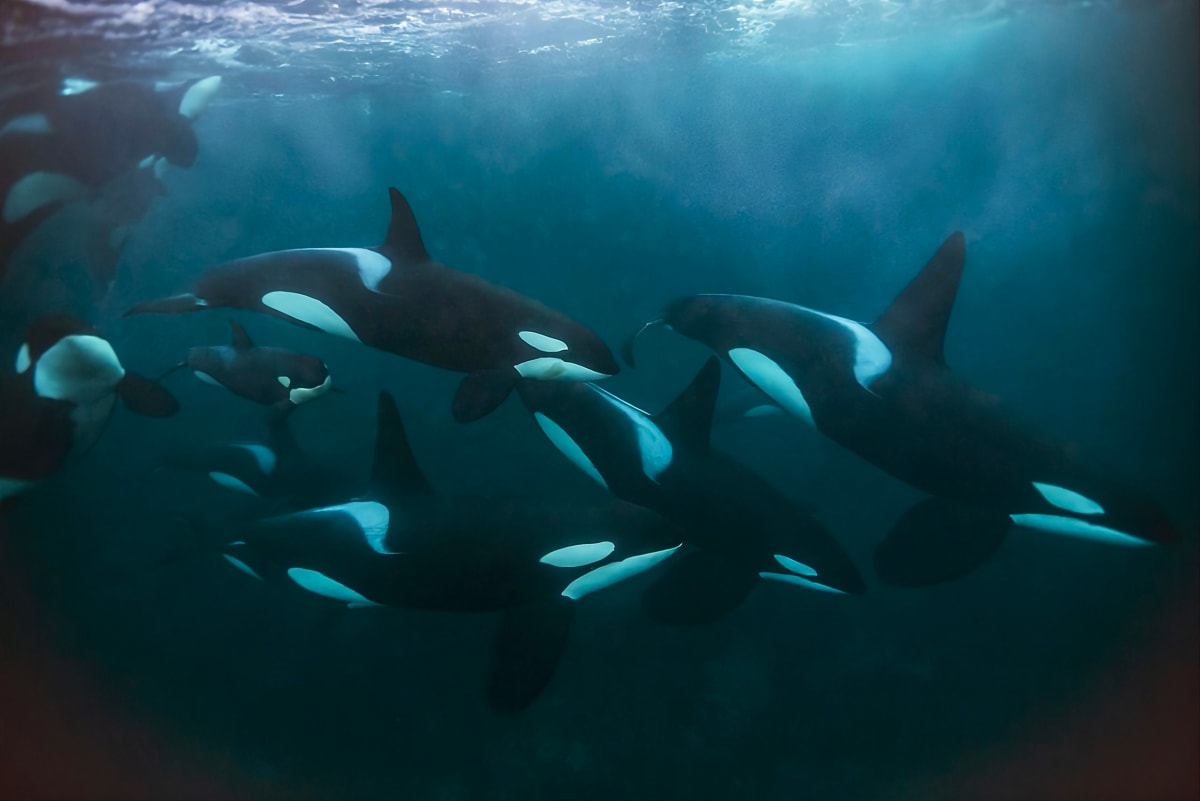
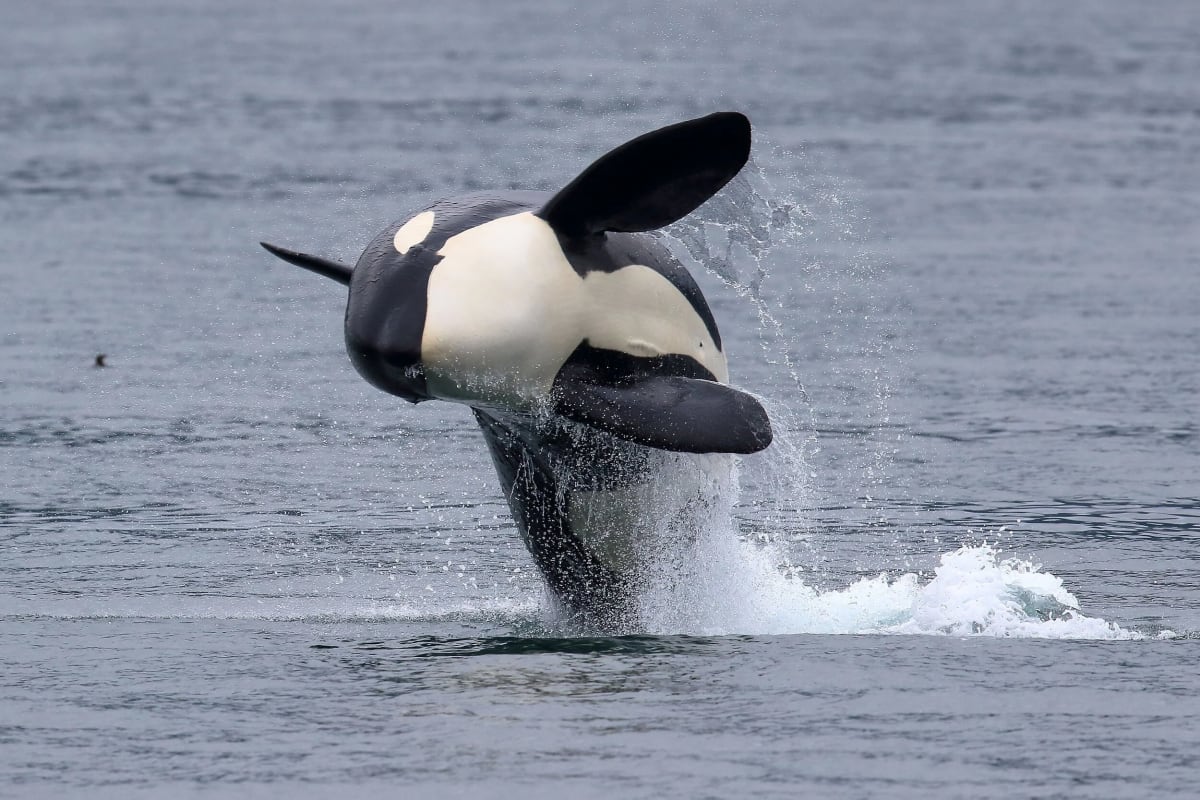
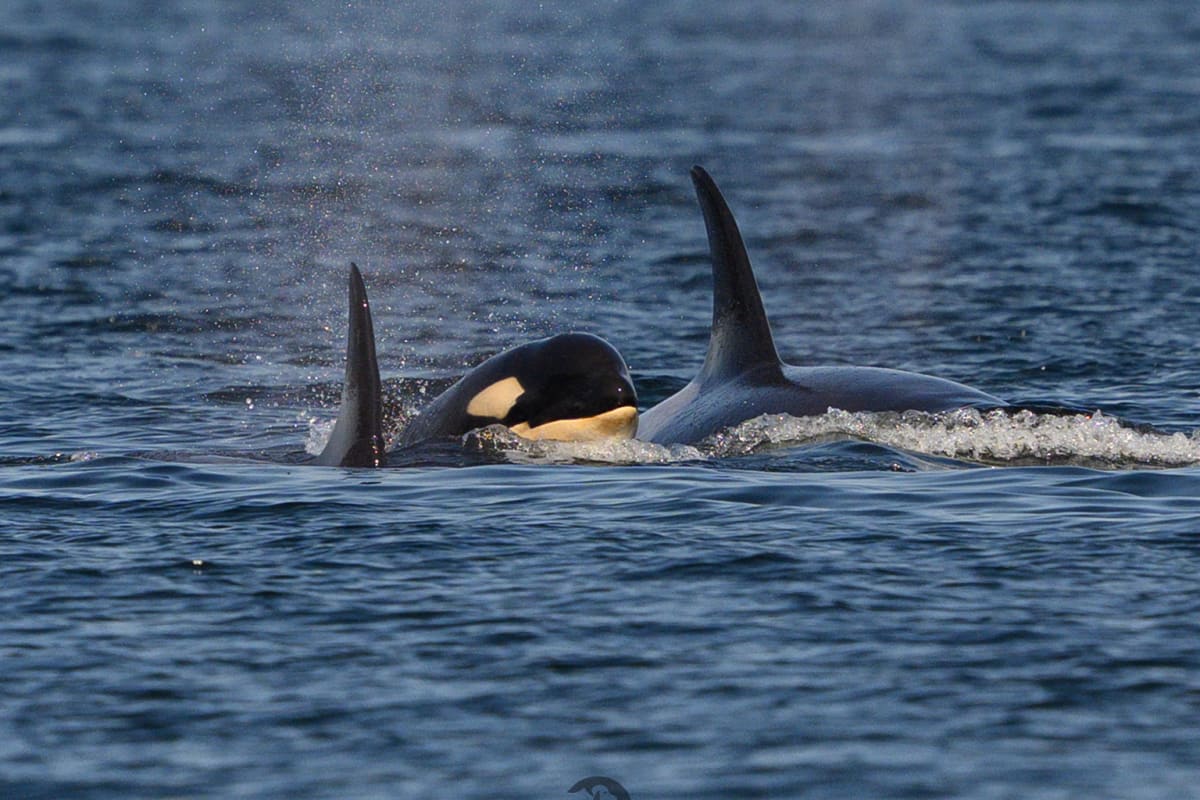
A groundbreaking AI system is helping protect the last 76 southern resident orcas by listening to their calls underwater and warning boats to get out of their way.
OrcaHello works like an ocean security guard, monitoring underwater microphones around Washington state's Puget Sound around the clock. When it hears an orca call, the AI sends instant alerts to construction crews and boat operators so they can pause their noisy work or change course while the endangered whales swim through.
"If there is pile-driving going on in the Port of Seattle when an alert goes out, one of our experts tells the port to pause the construction while the whales are in the area," explained Prakruti Gogia, who co-developed the system. The tool often picks up orca calls hours before they reach construction sites, giving crews time to reschedule their noisiest tasks.
The southern resident orcas face serious threats. Their main food source, Chinook salmon, is declining. Noise pollution from boats and construction disturbs their communication and hunting. With such a small population, inbreeding is becoming a concern too.
OrcaHello started as a weekend coding project in 2019 and evolved during the pandemic into a sophisticated detection system. It taps into Orcasound, a network of underwater microphones that livestream ocean sounds. The AI filters through all that audio to identify the specific calls of southern resident orcas, ignoring false alarms from other marine life.
After the AI detects a possible orca, human experts review the alert before sending it out to subscribers. These moderators often add helpful details like which pod is calling or what type of vocalization they're making.
The Ripple Effect
The alerts have already helped pause coastal construction, reschedule boat traffic, and inform fisheries management decisions on 138 separate days since the tool launched. Scientists are also using the verified data to track seasonal patterns and understand when the orcas are most active in different areas.
The technology is building a detailed picture of orca movements that will help researchers for years to come. "We can use this to look at seasonal presence of the orcas and the times they are active," said David Bain, chief scientist at Orca Conservancy.
The team plans to refine the AI further to distinguish different types of calls and possibly expand to other locations or species. But right now, they're staying laser-focused on the southern residents, where every whale counts.
For a species teetering on the edge, having an AI guardian that never sleeps might just tip the balance toward survival.
More Images

Based on reporting by Mongabay
This story was written by BrightWire based on verified news reports.
Spread the positivity!
Share this good news with someone who needs it