AI and Automation Create More Jobs Than They Replace
History shows automation creates jobs instead of eliminating them. From Henry Ford's assembly line to today's AI revolution, new technology keeps expanding the workforce.
When Henry Ford introduced the moving assembly line in 1913, critics warned machines would steal jobs from workers. Instead, Ford's company grew from three employees to over 100,000.
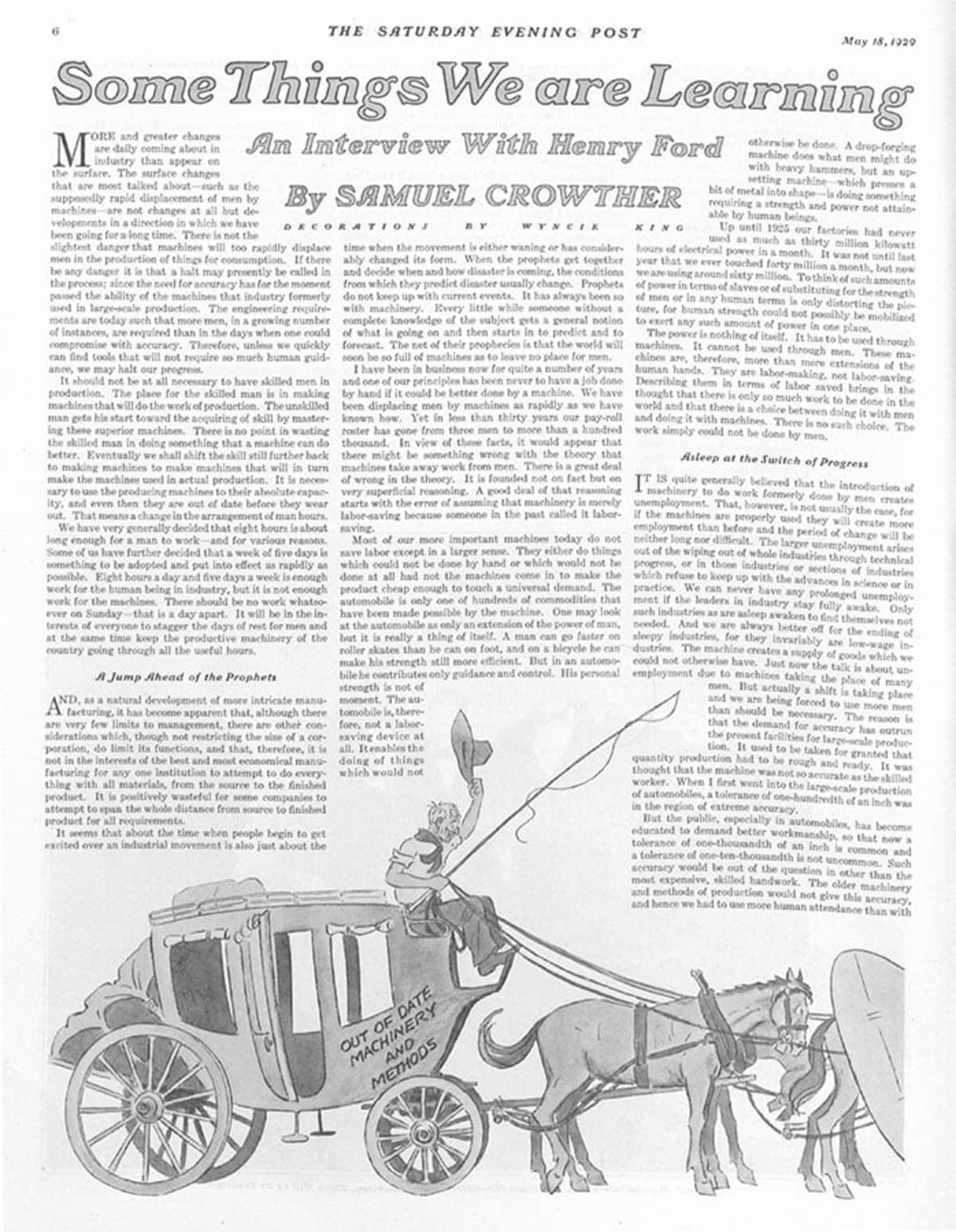
Ford automated everything he could, replacing human hands with machines that dipped wheels in varnish and drilled engine blocks. But the automation made cars affordable, demand soared, and jobs multiplied. He told The Saturday Evening Post in 1929 that doomsayers simply didn't understand how progress works.
Today's version of Ford's assembly line is artificial intelligence, and the same fears are surfacing. Goldman Sachs reports AI eliminates 16,000 jobs monthly, and McKinsey predicts 12 million workers in Europe and the U.S. will need to change careers.
But the pattern Ford identified still holds true. Companies that automate low-skill tasks reduce headcount but pay higher wages to remaining workers. Companies that automate complex tasks see employment grow, according to the National Bureau of Economic Research.
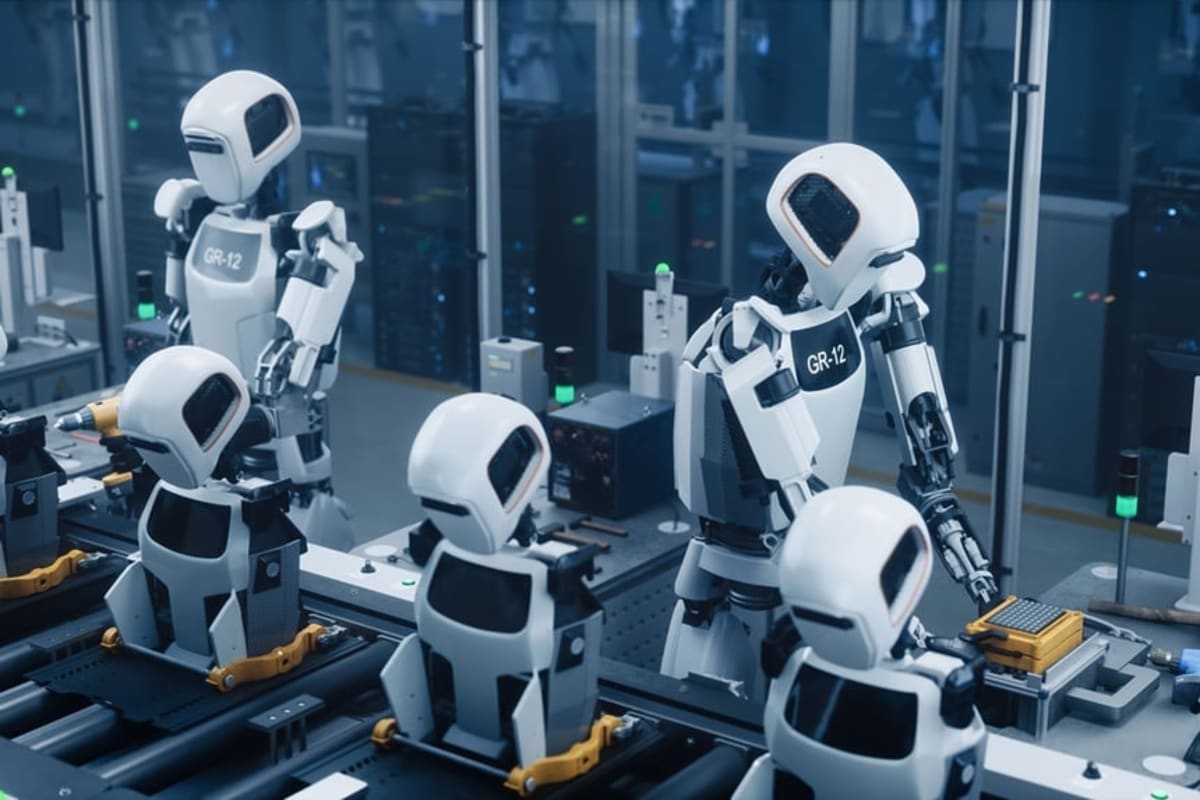
Modern assembly lines prove the point. Robots replaced some workers but created positions for machinists, specialist welders, and robotics technicians who maintain and program the machines.
Forbes predicts AI will create millions of new jobs, similar to the boom that followed automobiles and computers. The World Economic Forum estimates 78 million new positions will emerge.
Why This Inspires
An MIT study found the sweet spot: humans excel at understanding context and emotions, while AI crushes repetitive and data-heavy tasks. Together, they outperform either working alone.
The jobs arriving now need people who can develop AI systems, introduce them to users, and work alongside them in fields like healthcare and IT. Data analytics, machine learning, and programming roles are exploding.
The challenge isn't whether jobs will exist. It's ensuring workers get trained for them. Companies worry about investing in employees who might leave, but Ford had the answer: "The only thing worse than training your employees and having them leave is not training them and having them stay."
History keeps teaching the same lesson: technology doesn't shrink opportunity, it shifts it.
More Images



Based on reporting by Google News - Jobs Created
This story was written by BrightWire based on verified news reports.
Spread the positivity!
Share this good news with someone who needs it