
AI Boosts IVF Success Prediction from 51% to 81%
Artificial intelligence is helping fertility clinics better predict successful IVF pregnancies, with AI models showing 81.5% accuracy compared to human embryologists' 51%. While challenges remain, this technology could bring hope to millions trying to start families.
For millions of people hoping to become parents through IVF, artificial intelligence is emerging as a powerful new ally that could dramatically improve their chances of success.
More than 100,000 babies were born through IVF in the U.S. in 2024, but the journey to parenthood remains difficult for many. Overall success rates hover around 37.5% across all age groups, dropping to 10% or lower for people over 40.
Now AI is showing real promise in changing those odds. A 2023 review found that AI models can predict which embryos will lead to successful pregnancies with 81.5% accuracy, compared to just 51% for human embryologists working alone.
Several fertility clinics are already putting this technology to work. Platforms like Cercle are training AI models on hormonal, physiological, and sperm data from IVF procedures to better predict which egg and sperm combinations will succeed. Startup Herasight is combining large datasets to help patients understand their realistic chances of achieving a live birth.
A small 2025 randomized controlled trial found AI performed as well as, if not better than, traditional embryo selection methods. The technology helps embryologists make more informed decisions by analyzing factors human eyes might miss.
The Bright Side
While experts caution that AI isn't ready to replace human judgment entirely, the technology is already making a meaningful difference in how fertility treatments are performed. Clinical embryologist Mina Alikani notes that AI systems show genuine promise in assisting with egg, embryo, and sperm selection.
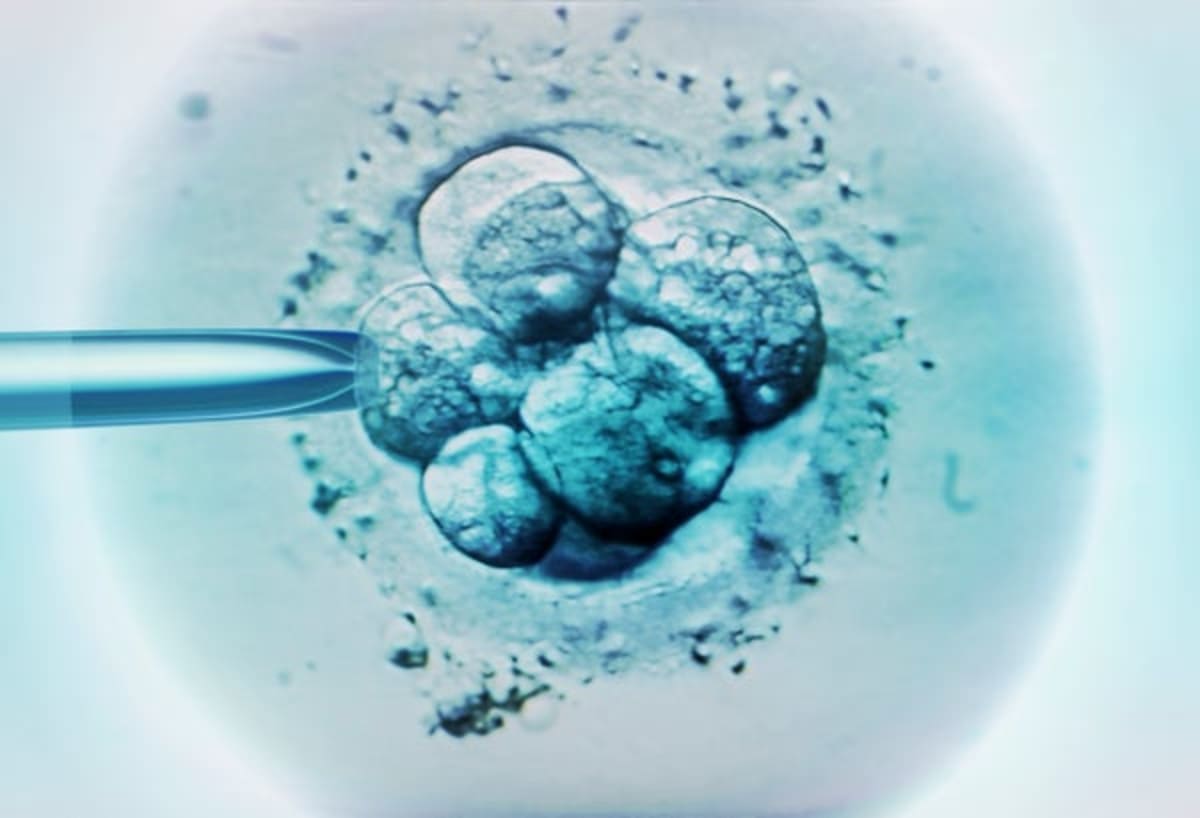
The technology works by using deep learning to assess embryo morphology and screen for traits that might affect successful fertilization. Instead of replacing embryologists, AI serves as a powerful tool that enhances their expertise.
Researchers are now working to standardize AI systems across different clinics and countries, which could further improve success rates. A 2025 review emphasized that personalization of treatment protocols using AI represents a critical area where patients could benefit significantly.
Challenges remain, including questions about data privacy, the need for more clinical trials, and ensuring the technology remains accessible. IVF already costs up to $50,000 per cycle, and experts stress that AI advances must serve all families hoping to conceive, not just those who can afford premium services.
Scientists agree that more research is needed before AI becomes standard practice. But the early results offer genuine hope that technology could help more people achieve their dreams of parenthood in the years ahead.
More Images



Based on reporting by Scientific American
This story was written by BrightWire based on verified news reports.
Spread the positivity!
Share this good news with someone who needs it