AI Cameras Now Protect India's Tigers in Real Time
India's tiger rangers once tracked big cats through muddy pugmarks and paper logs. Today, AI cameras send alerts to their phones in 30 seconds when a tiger moves through the forest.
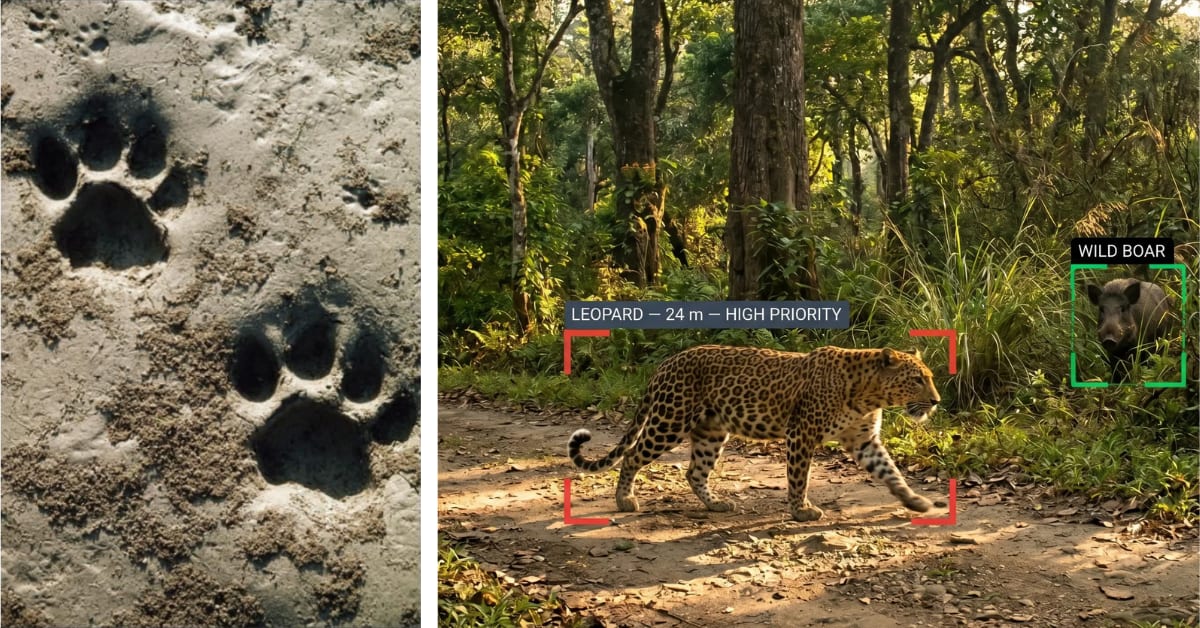
For decades, protecting India's tigers meant forest guards walking kilometres through dense jungle, reading stories written in mud and leaves. A pugmark here, a scratch mark there, all carefully recorded by hand in paper registers that might take days to reach the people who could act on them.
That world is vanishing, replaced by something that would have seemed like science fiction just 20 years ago. Rangers now carry smartphones that map their exact patrol routes using GPS. Camera traps automatically photograph tigers and identify individuals from their unique stripe patterns, the way fingerprints identify people.
The 2018 tiger census alone generated 34 million photographs from nearly 27,000 camera locations across India's reserves. But even that massive leap forward had a frustrating gap: cameras could tell you what happened yesterday, not what was happening right now.
The newest technology is closing that gap. Edge-AI cameras called TrailGuard now analyze footage right where they're mounted in the forest. When they detect a tiger, person, or vehicle, they send an alert to rangers' phones in roughly 30 seconds.
At Pench Tiger Reserve, an even more remarkable system is being tested. AI listens to the forest itself through bioacoustics, learning to recognize the alarm calls that deer and monkeys make when a tiger approaches. The forest's own residents become an early warning system.
M-STrIPES, India's digital monitoring system, ties it all together. Forest guards record wildlife sightings, suspected poaching signs, and patrol tracks with geotagged data. Managers can see in real time where protection is working and where it needs strengthening.
The technology hasn't replaced the forest guard's trained eye and years of experience. Instead, it's amplified that expertise, turning observations into data that can be mapped, compared, and acted upon before a crisis unfolds.
The Ripple Effect
India's tiger population has grown from around 1,400 in 2006 to nearly 3,700 today, making it one of conservation's most remarkable turnarounds. Technology isn't the only reason, but it's become an essential tool in protecting the species.
These same systems are now being adapted for other endangered animals across Asia and Africa. What began as a way to count pugmarks in Indian mud is becoming a global template for wildlife protection in an age when every second can matter.
The forest still goes quiet before sunrise, and the sambar still calls beyond the sal trees. But now, when a tiger leaves its mark on the earth, the people sworn to protect it know about it almost instantly.
More Images
%2Fenglish-betterindia%2Fmedia%2Fmedia_files%2F2026%2F08%2F31%2Fai-in-wildlife-2026-08-31-16-36-53.png)

%2Ffilters%3Aformat(webp)%2Fenglish-betterindia%2Fmedia%2Fmedia_files%2F2026%2F08%2F31%2Fai-in-wildlife-2026-08-31-16-38-13.png)
%2Ffilters%3Aformat(webp)%2Fenglish-betterindia%2Fmedia%2Fmedia_files%2F2026%2F08%2F31%2Fai-in-wildlife-2026-08-31-16-39-25.png)
Based on reporting by The Better India
This story was written by BrightWire based on verified news reports.
Spread the positivity!
Share this good news with someone who needs it