AI Catches 75-Year-Old Errors in Chemistry Reference Books
Artificial intelligence systems are now double-checking decades of scientific research and finding mistakes that human researchers missed for generations. The technology is helping clean up errors that have been repeated across thousands of studies.
Scientists have a new quality control assistant, and it just caught mistakes that have been hiding in trusted reference books since the 1950s.
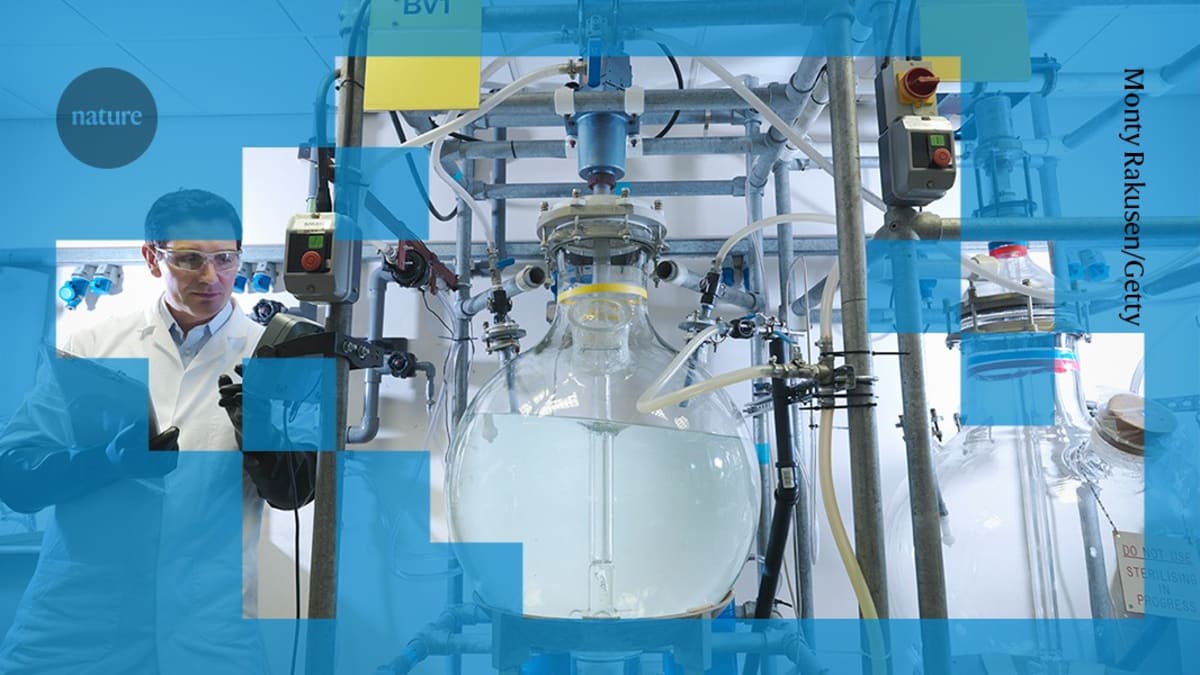
Sebastian Pios, a chemist in China, was using an AI system to predict molecular boiling points when something strange happened. The AI kept disagreeing with values listed in a 75-year-old chemistry database that researchers worldwide rely on daily.
Pios assumed his AI model was wrong. But when he checked the original scientific papers by hand, he discovered the shocking truth: the database had been wrong all along, not his AI.
The AI found typos in published papers and incorrect century-old measurements that somehow became accepted facts. These errors likely caused "a lot of trouble" for countless researchers who trusted the numbers for experiments and industrial processes like distillation.
Pios isn't alone in putting AI to work as a fact-checker. Scientists across multiple fields are now using specialized AI tools to audit published research at speeds impossible for humans.
At the 2026 International Conference on Machine Learning, AI agents reviewed 168 papers selected for presentation. The systems extracted the authors' claims, reran experiments when possible, and compared results. Of 92 papers tested, the AI could only reproduce the majority of claims in 34 papers.
Meanwhile, Stanford University researcher James Zou used an AI checker to scan papers from NeurIPS, a major AI research conference. The tool found errors in papers jumped 55% from 2021 to 2025, rising from an average of 3.8 errors per paper to 5.9.
The Bright Side
This technology couldn't come at a better time. As the volume of published research explodes, catching errors before they spread through the scientific community becomes increasingly critical.
The AI tools focus on objective mistakes like incorrect formulas, miscalculations, and figure errors. They leave subjective judgments about data interpretation and research significance to human experts, creating a powerful human-AI partnership.
Speed makes all the difference. AI can scan entire databases and libraries of research papers in hours, work that would take human reviewers months or years to complete.
The tools aren't perfect and still need human oversight to catch their own mistakes. But they're already helping ensure that today's research stands on solid foundations instead of decades-old errors.
Scientists are building a more reliable future, one fact-check at a time.
More Images


Based on reporting by Nature News
This story was written by BrightWire based on verified news reports.
Spread the positivity!
Share this good news with someone who needs it