AI Could Find Brain Disease Treatments in Years, Not Decades
Scientists in Edinburgh are using artificial intelligence to scan thousands of existing drugs to find new treatments for conditions like dementia and motor neurone disease. Their approach could deliver hope to patients in years instead of the decades traditional drug discovery takes.
Imagine waiting decades for a treatment that could help you today, hidden in a medicine already sitting on pharmacy shelves.
Scientists at the UK Dementia Research Institute in Edinburgh are using AI to crack that puzzle. They're racing to find existing drugs that could treat devastating brain conditions like motor neurone disease, Parkinson's, and dementia.
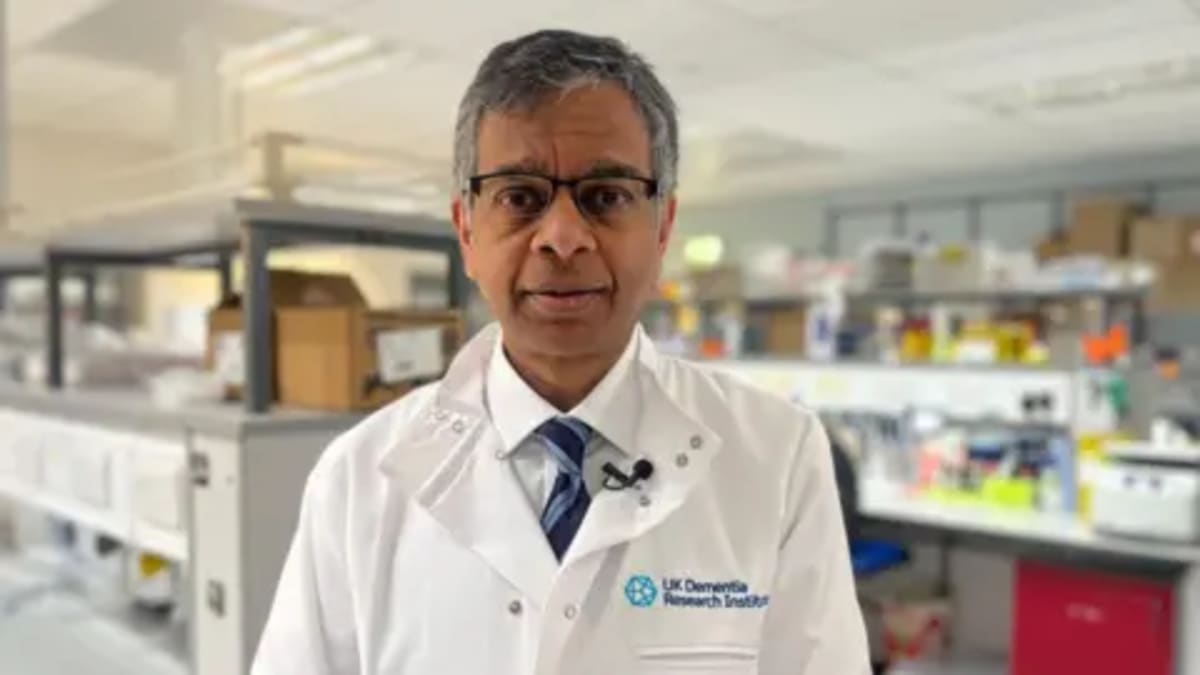
The traditional path to new brain treatments is painfully slow, often taking more than 10 years from discovery to patients. But Professor Siddarthan Chandran and his team believe AI can shrink that timeline dramatically by scanning through 1,500 already-approved drugs to find overlooked candidates.
Their approach combines patient data including voice recordings and eye scans with lab-grown brain cells from volunteers. Machine learning algorithms then predict which existing drugs might work against neurological disease signatures.
Steven Barrett knows this hope intimately. The 10-year MND survivor from Alloa, Scotland, calls the research trials "a bright light" after his diagnosis shattered his retirement plans.
"MND is a horrible disease, it strips you of who you are," Steven says. But he's taking experimental drugs through the MND-SMART trial, which tests multiple medications simultaneously instead of the slower traditional method.
The research goes beyond just testing pills. Clinicians are building a massive database using iris scans, voice recordings, and blood samples from volunteers to spot early warning signs of brain disease.
Blood samples become stem cells, which grow into brain neurons. Robots and algorithms then test existing drugs on these cells to see which ones might reverse disease patterns into healthy ones.
The Ripple Effect
This work joins a growing wave of AI-powered medical breakthroughs. Scientists at MIT have used similar technology to identify new antibiotic compounds for superbugs. Harvard researchers developed TxGNN, a neural network that matches existing drugs to rare diseases.
Because these drugs already passed safety testing for other conditions, repurposing them skips years of development. That means affordable treatments could reach patients far sooner than brand new medications.
The field has faced setbacks, including disappointing reviews of once-promising Alzheimer's drugs. But Professor Chandran remains confident the combination of AI and new technologies is creating possibilities that "would have been unbelievable when I was at medical school."
For Steven and millions facing neurological conditions, this research represents more than scientific progress. "It's taking a tablet with the intention of delivering outcomes that may or may not help me but help others," he says.
That future of faster, smarter drug discovery is already taking shape in Edinburgh labs.
More Images



Based on reporting by BBC Technology
This story was written by BrightWire based on verified news reports.
Spread the positivity!
Share this good news with someone who needs it