AI Cracks 100 Math Problems Left Unsolved for Decades
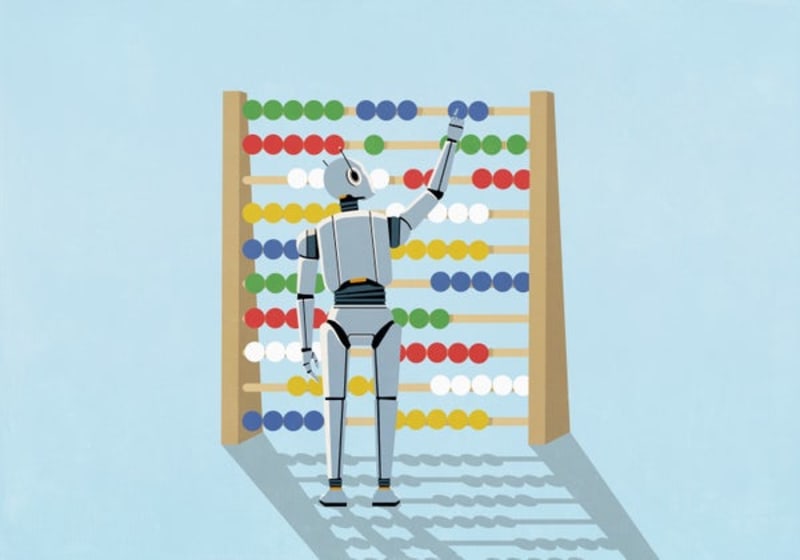
Artificial intelligence has solved 100 puzzles from a legendary mathematician's collection that stumped experts for years. The breakthrough shows AI becoming a powerful partner for researchers tackling problems once thought impossible.
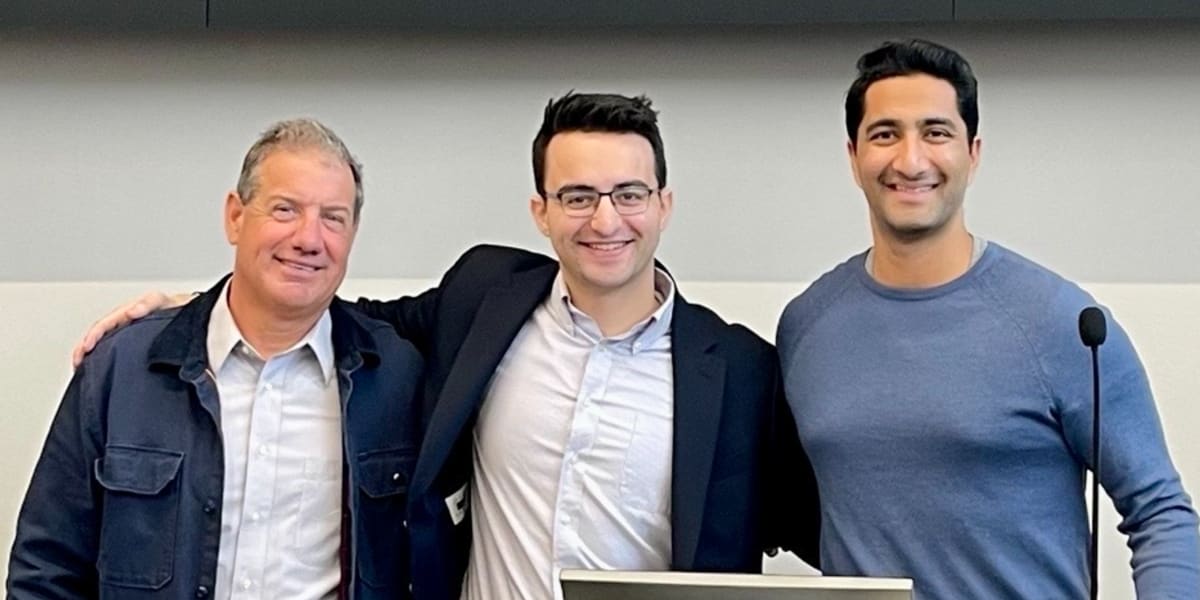
Last October, mathematician Mehtaab Sawhney was browsing old math problems when he tried something new. Instead of searching Google for solutions, he asked ChatGPT for help with a decades-old puzzle.
The AI found the answer in seconds. Sawhney and fellow mathematician Mark Sellke then used ChatGPT to crack nine more unsolved problems left behind by Paul Erdős, one of history's most prolific mathematicians.
Since then, AI tools have helped solve about 100 problems from Erdős's legendary collection of 1,179 puzzles. These aren't just lucky guesses. The AI searches through decades of academic papers, finds connections between different theorems, and sometimes constructs entirely original proofs.
"They are now useful research assistants," says Andrew Sutherland, a mathematician at MIT. Many of these problems had actually been solved years ago, but the solutions were buried in obscure papers that never mentioned Erdős. Google's Gemini even discovered an offhand remark in a 1981 paper that unknowingly solved one puzzle.
The Ripple Effect
The real excitement isn't just about old puzzles finally getting checked off a list. AI is becoming a genuine research partner for working mathematicians, helping them sketch paths to bigger discoveries and proving smaller pieces to save time.
Eleven top mathematicians just launched First Proof, a challenge testing whether AI can solve fresh problems they've completed but not yet published. They gave AI systems one week, less time than it took them to solve the problems themselves.
Within days, their inboxes flooded with claimed solutions. A Discord server discussing the challenge quickly attracted hundreds of members sharing AI-generated proofs.
AI isn't replacing mathematicians anytime soon. The technology still makes plenty of mistakes that require expert eyes to catch. But mathematicians who dismissed earlier AI models are taking another look.
Lauren Williams, a Harvard mathematician behind First Proof, is encouraged by the response. The partnership between human creativity and AI's ability to search and synthesize information is opening doors that were previously locked.
Math just got a powerful new teammate.
More Images


Based on reporting by Scientific American
This story was written by BrightWire based on verified news reports.
Spread the positivity!
Share this good news with someone who needs it