AI Cracks 2,000-Year-Old Roman Board Game Mystery
A Roman stone board game sat unplayable in a Dutch museum for over a century. Now researchers have used AI to decode its rules, revealing the earliest known blocking game in European history.
A mysterious stone etched with ancient lines has finally given up its 2,000-year-old secret, and artificial intelligence helped crack the case.
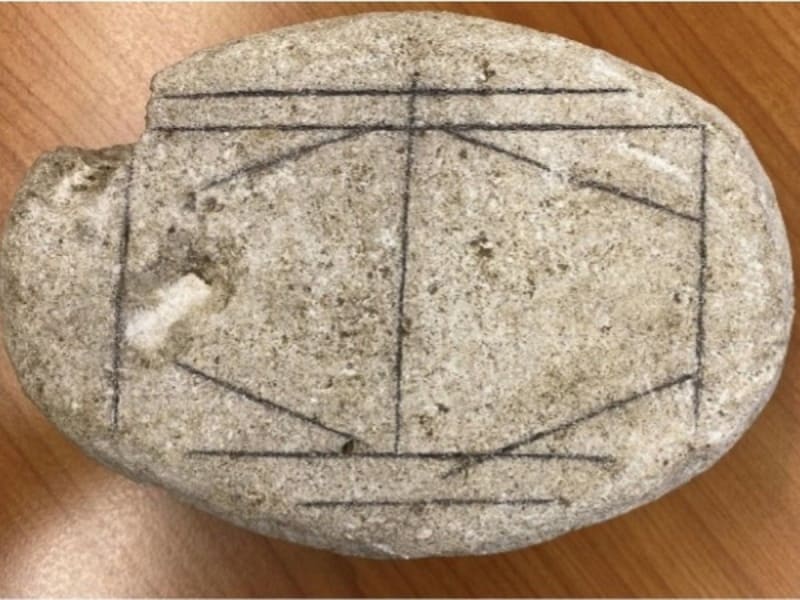
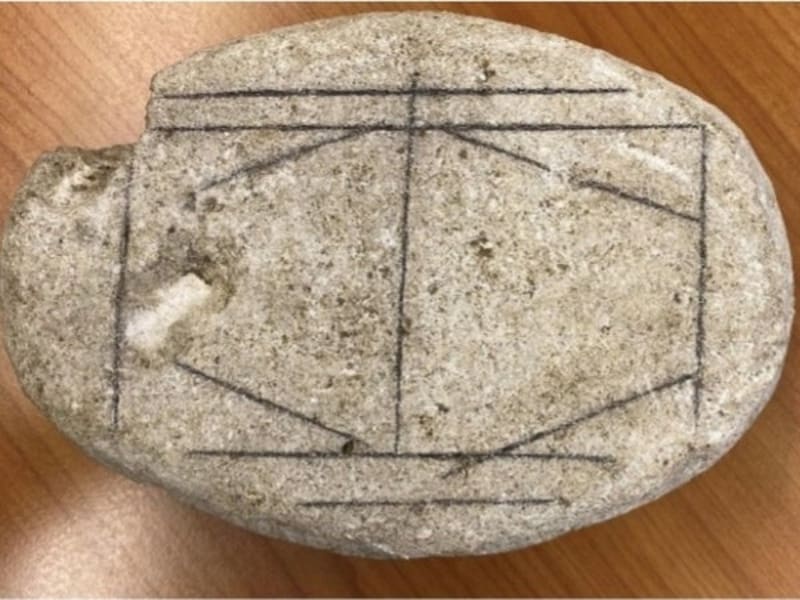
Researcher Walter Crist was walking through a Dutch museum in 2020 when he spotted something unusual. An eight-inch stone board covered in angular lines had been sitting in their collection since the late 1800s, but nobody knew how to actually play the game carved into it.
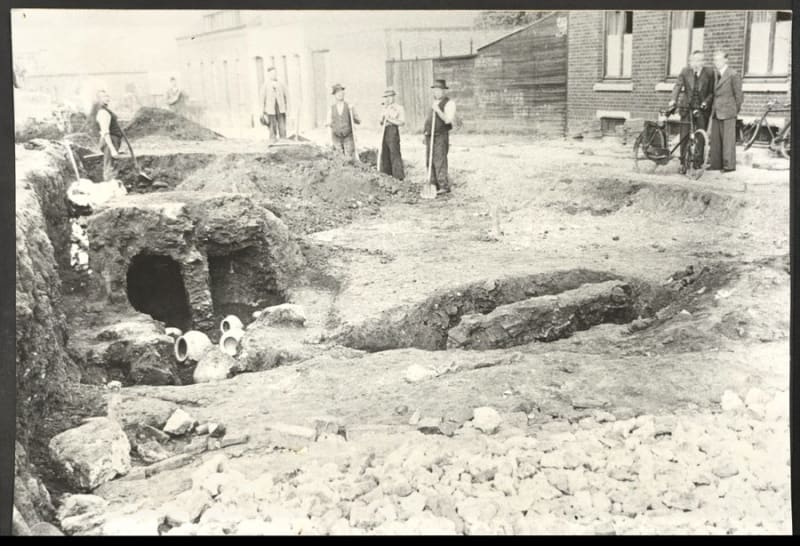
The limestone board came from Heerlen in southeastern Netherlands, once the Roman city of Coriovallum. Someone had imported the stone from France and carefully carved a pattern that looked like an oblong octagon inside a rectangle, but the game's name and rules had been lost to time.
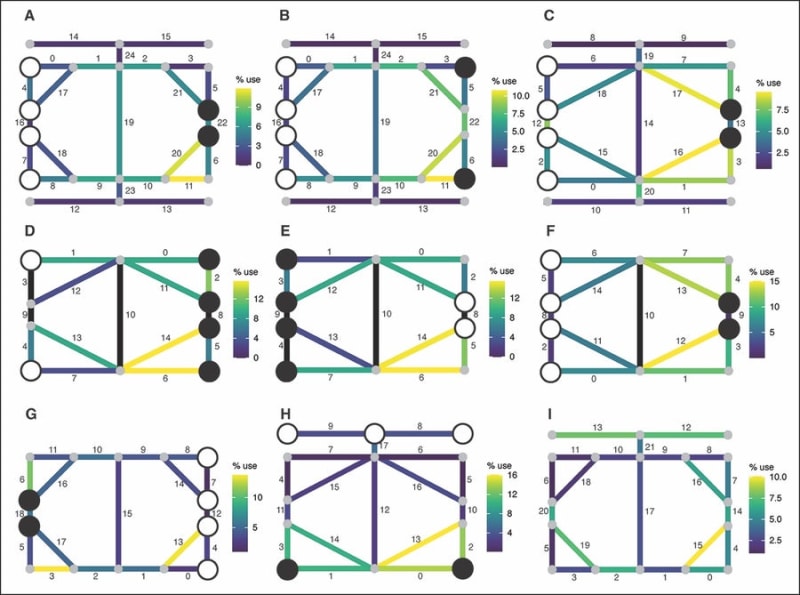
Crist and his team at Leiden University tried something nobody had done before. They programmed two AI agents to play the mystery game over and over, testing more than 100 different rule sets borrowed from other ancient and modern European games.
The AI played 1,000 games for each set of rules while researchers watched how the virtual pieces moved. Then they compared those movement patterns to the actual wear marks grooved into the ancient stone.
Nine rule sets matched the wear patterns on the board. All nine turned out to be variations of the same type of blocking game, where one player tries to prevent the other from moving, similar to tic-tac-toe.
The discovery, published in the journal Antiquity, rewrites gaming history. Researchers had thought this type of blocking game originated in medieval Scandinavia and was played only in the 19th and 20th centuries, but this Roman version predates those games by more than a thousand years.
The team named their discovery Ludus Coriovalli, Latin for "the game from Coriovallum." You can even play it online now, connecting directly to how Romans spent their leisure time two millennia ago.
Why This Inspires
Ancient board games bridge thousands of years in the most human way possible. The Egyptian game Senet isn't so different from Sorry, and chess traces back to ancient India. People have always gathered around game boards to laugh, compete, and connect.
This breakthrough opens doors for solving other ancient gaming mysteries that have puzzled archaeologists for generations. Each decoded game gives us a glimpse into how our ancestors enjoyed life, reminding us that the desire to play and have fun hasn't changed much at all.
A Roman citizen once sat down with friends or family around this very board, moving pieces and trying to outwit their opponent, and now we can experience that same joy across the centuries.
More Images
Based on reporting by Scientific American
This story was written by BrightWire based on verified news reports.
Spread the positivity!
Share this good news with someone who needs it
%2Fhttps%3A%2F%2Ftf-cmsv2-smithsonianmag-media.s3.amazonaws.com%2Ffiler_public%2F4e%2F9f%2F4e9f0fe8-aa48-438a-b88f-3a29cd71107e%2Fhttps___wwwfrontiersinorg_files_articles_1758862_xml-images_fmats-13-1758862-g001.jpeg)
%2Fhttps%3A%2F%2Ftf-cmsv2-smithsonianmag-media.s3.amazonaws.com%2Ffiler_public%2F8e%2F83%2F8e837bc6-e2b3-4bb6-bb1c-4f1287b45a6f%2Fcastillo-39-rincon_de_los_signos.jpg)