AI Cracks 400-Year-Old Secret Medical Text
Researchers used artificial intelligence to decode a mysterious 408-page manuscript that had sat unread in the Vatican library for over four centuries. The breakthrough is opening doors to unlock thousands of encrypted historical documents hidden in archives worldwide.
A 400-year-old medical book filled with strange symbols and secret remedies has finally revealed its mysteries, thanks to artificial intelligence.
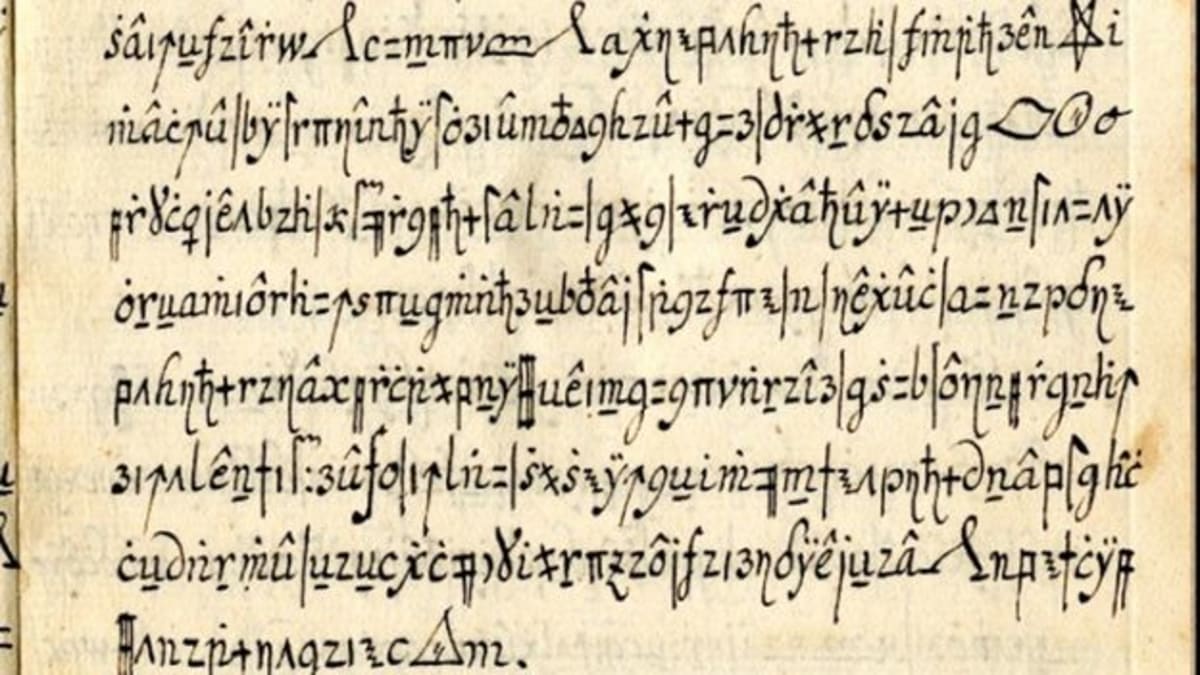
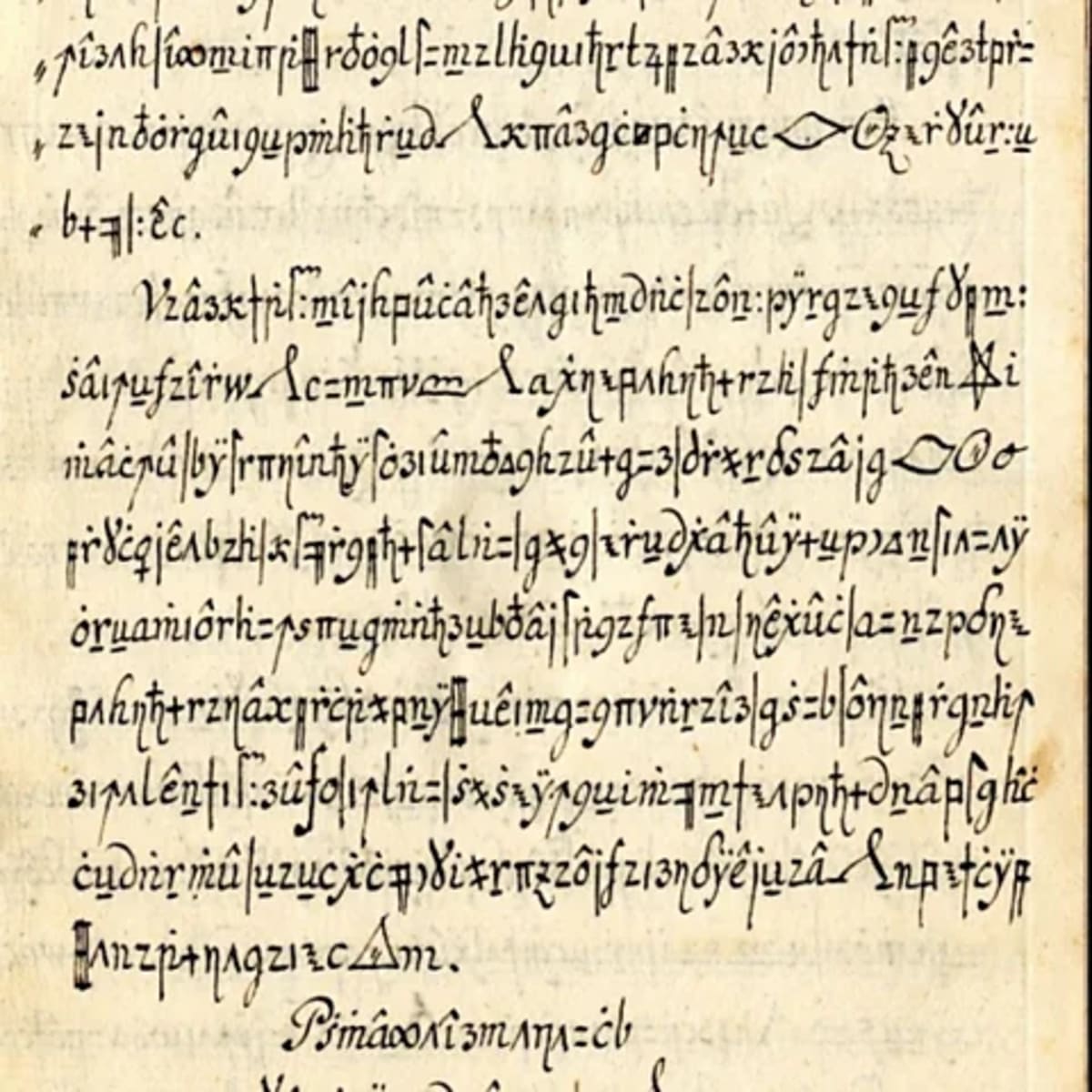
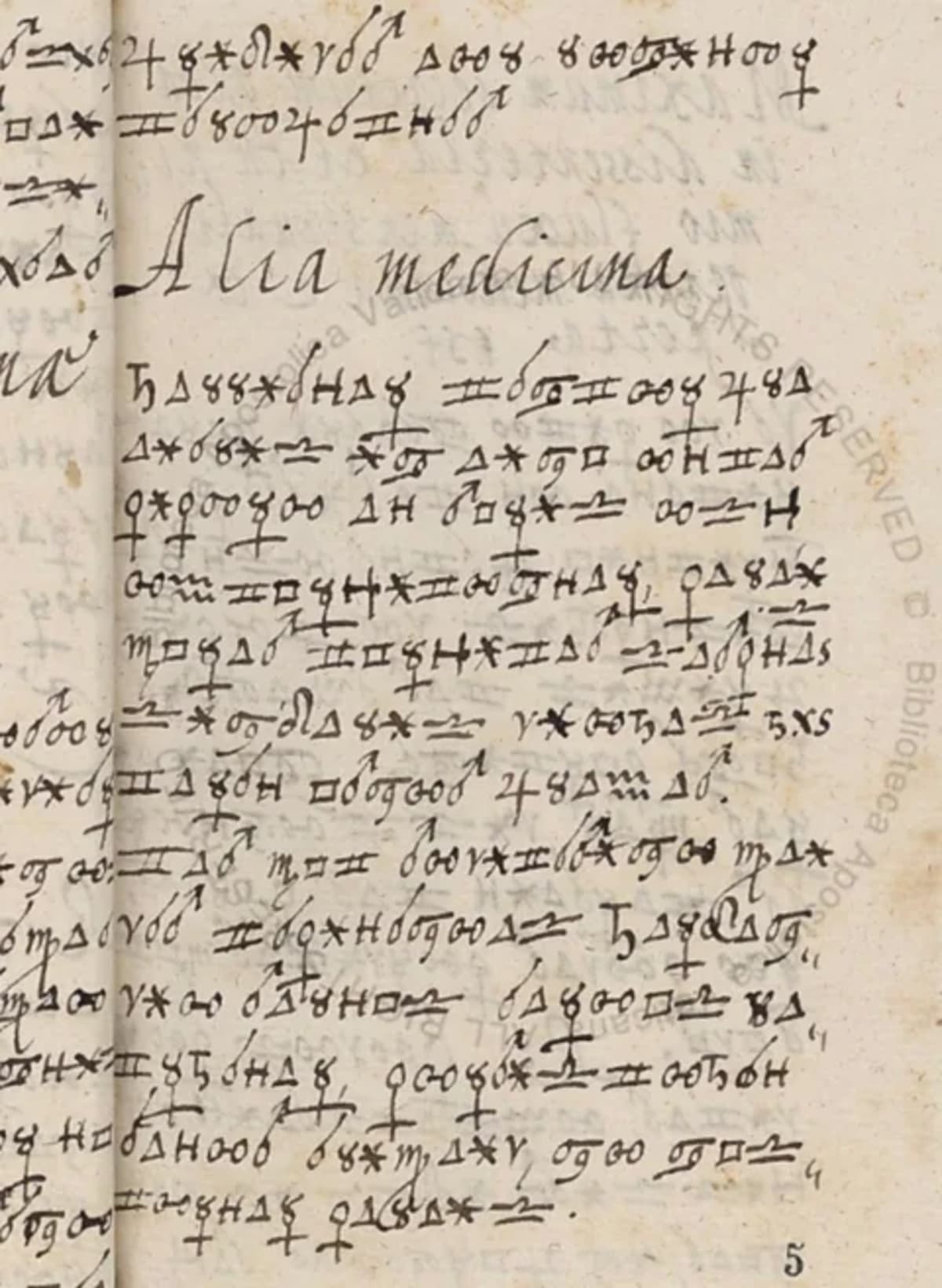
The Borg cipher, a 408-page manuscript covered in 34 obscure symbols, had been sitting unreadable in the Vatican library since the 1600s. A note inside the cover hinted at secret remedies "for affections of the human body," but no one could crack the code. At the time, healers often hid their practices to avoid accusations of witchcraft.
Beáta Megyesi, a professor at Stockholm University, and her team used machine learning to unravel what the symbols meant. They discovered thousands of bizarre treatments, like drinking red wine or fermenting nutmeg in dough to fight dysentery. "It is like detective work where every symbol, pattern, and partial solution may bring us closer to someone's secrets and to a lost historical world," says Megyesi.
This breakthrough is just the beginning. Researchers estimate that 1% of all material in libraries and archives around the world is fully or partially encrypted. These coded documents hide diplomatic secrets, love letters, medical knowledge, and everyday details people wanted to keep private.
Historic ciphers can be incredibly difficult to crack without help. Some use dead languages, others insert fake symbols as decoys, and many feature handwriting so faded or messy that even transcribing them takes days. One cryptologist spent six months decoding just a three-page letter from Charles V, the Holy Roman Emperor, which used 120 different cipher symbols.
AI tools are now speeding up the entire process. An online platform called Transkribus can scan handwritten documents and turn them into digital text, even when the handwriting is centuries old. The system has been trained on various languages and writing styles spanning hundreds of years.
Why This Inspires
Every decoded document is like opening a time capsule. Recently cracked letters from Mary Queen of Scots revealed her involvement in plots to regain her throne and her relationship with her son. Charles V's decoded letter showed one of history's most powerful men terrified of an assassination plot.
With AI making it faster and easier to unlock these secrets, historians can finally piece together missing chapters of human history. These aren't just dusty old papers. They're voices from the past, finally getting heard.
The technology is advancing rapidly, meaning more secrets are waiting to be discovered. Megyesi and her colleagues are now leading efforts to harness AI's power to decode even more challenging ciphers. "This opens up exciting possibilities for rare and non-standard writing systems," she says.
Thousands of encrypted documents are still waiting in archives around the world, holding stories that could change what we know about famous figures and entire periods of history.
More Images

Based on reporting by BBC Future
This story was written by BrightWire based on verified news reports.
Spread the positivity!
Share this good news with someone who needs it