
AI Creates More Jobs Than It Replaces, New Data Shows
Despite predictions of mass unemployment, AI is actually increasing job openings and salaries in fields from software engineering to healthcare. The technology is transforming roles into higher-paying "superjobs" that blend technical skills with human creativity.
Software engineers and X-ray technicians were supposed to lose their jobs to artificial intelligence. Instead, they're earning more money and doing more meaningful work than ever before.
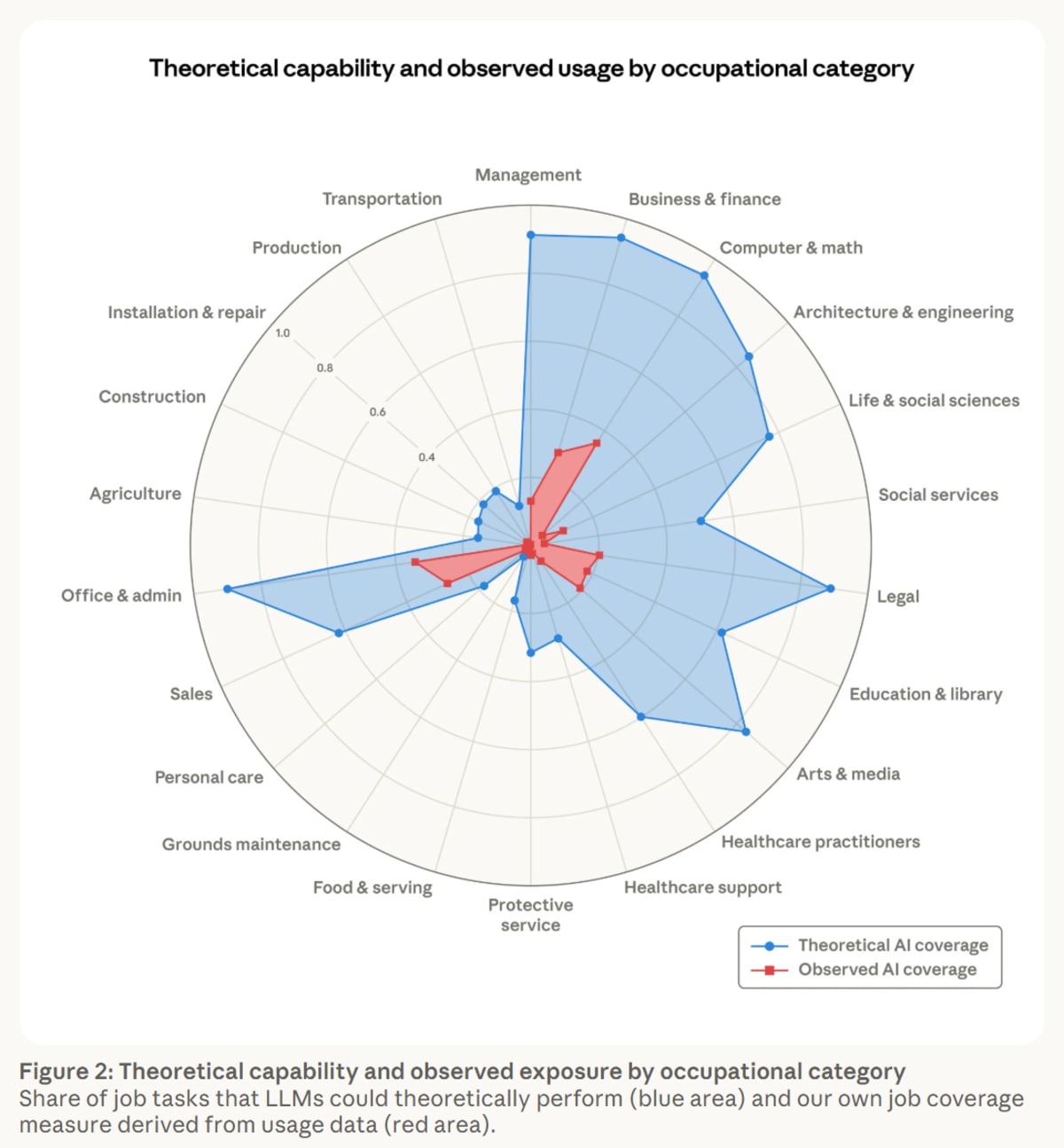
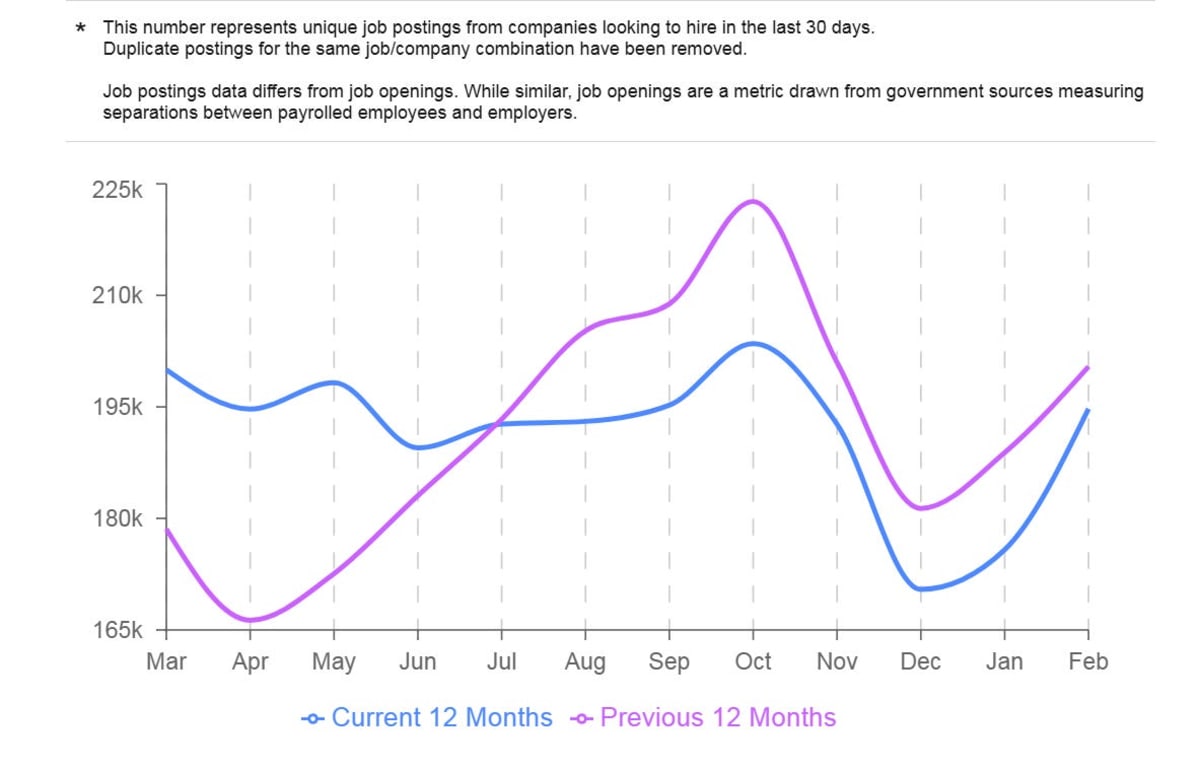
New labor market data reveals a surprising trend that contradicts the doom and gloom headlines. Despite AI's ability to write code and read medical scans, job openings in both fields are climbing steadily, not shrinking.
OpenAI alone has 650 open positions for software engineers right now. Global job postings for software engineering roles have remained stable over the past several years, even as AI tools became more powerful.
The real story isn't about jobs disappearing. It's about jobs evolving into what industry analyst Josh Bersin calls "superjobs."
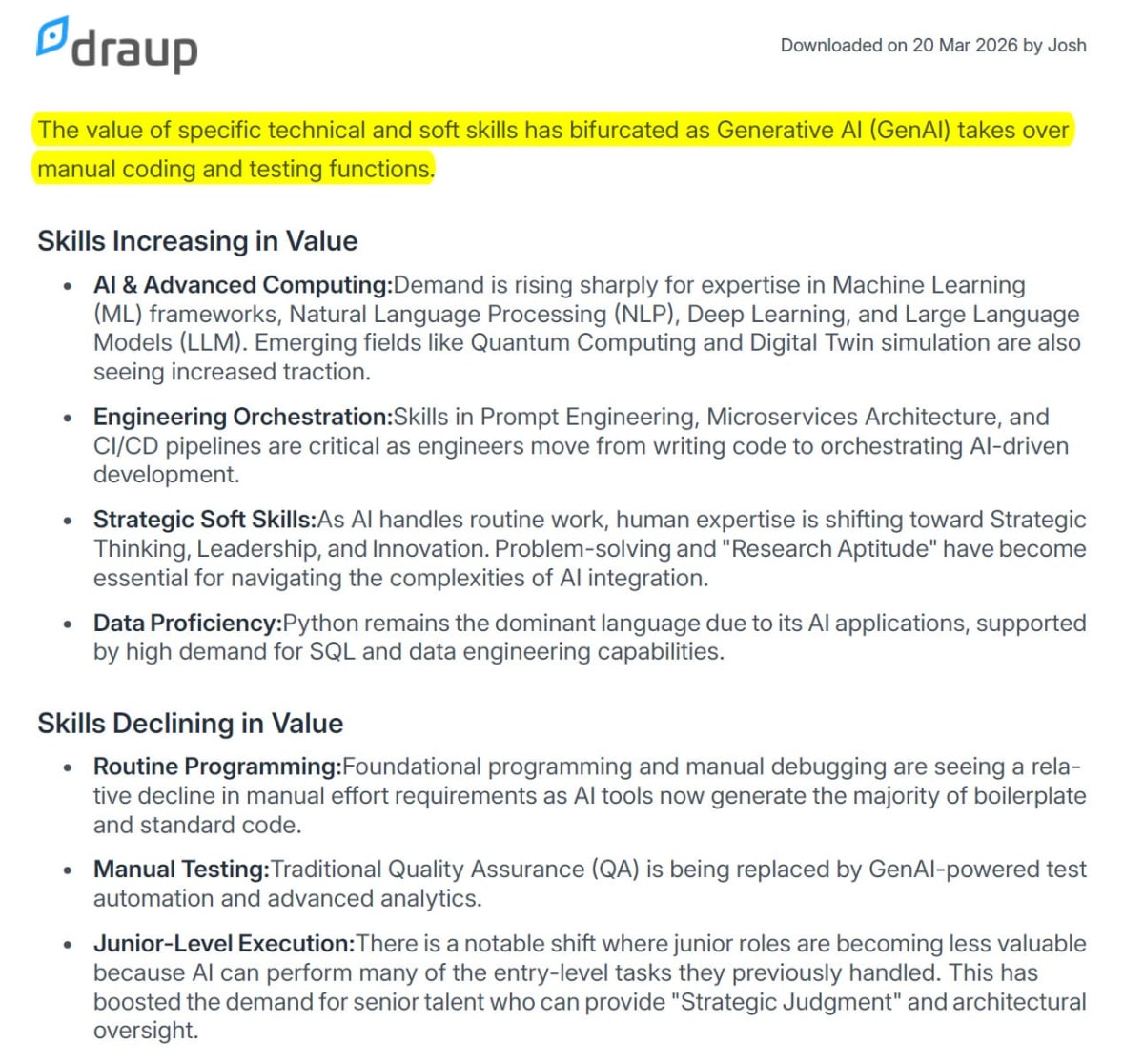
Software engineers used to spend most of their time writing and testing code. Now AI handles the routine coding while engineers focus on understanding business needs, designing technology systems, and solving complex problems.
The shift is showing up in paychecks too. Software engineering salaries have more than doubled over the past 15 years and jumped 15% in just the last year.
Healthcare workers are experiencing the same transformation. Ten years ago, experts predicted AI-powered scanners would eliminate X-ray technicians. Instead, job postings for medical imaging specialists are up 35% year over year.
One doctor recently ordered an X-ray for a patient with a persistent cough. The scan happened immediately, AI helped with the initial analysis, and the patient got results during their drive home. No waiting rooms, no delays, and two healthcare workers doing their jobs better than before.
The Bright Side
The technology creates a ripple effect beyond individual careers. When AI makes medical imaging faster and cheaper, more people can afford diagnostic care. When it handles routine coding tasks, engineers have time to build innovative products that improve lives.
Skills requirements are shifting upward across industries. Entry-level coding and basic testing jobs are declining, similar to how typing pools disappeared when personal computers arrived. But the new roles require more creativity, communication, and critical thinking.
Medical imaging specialists now need expertise in data management and patient care alongside their technical skills. Software engineers are becoming full-stack AI specialists and machine learning product designers.
The pattern holds across centuries of technological change. The U.S. unemployment rate has stayed around 4.5% for years, even as computers, robots, and now AI transformed entire industries.
Humans adapt by finding new ways to add value. AI eliminates tedious tasks, and workers fill their time with more interesting, more important, and better-paid work.
The jobs of tomorrow won't look like the jobs of today, but there's strong evidence they'll be there, paying more and offering greater fulfillment than the roles they replace.
More Images

Based on reporting by Google News - Jobs Created
This story was written by BrightWire based on verified news reports.
Spread the positivity!
Share this good news with someone who needs it