AI Cuts Chip Material Research Time from Months to Weeks
Scientists in Shanghai used artificial intelligence to develop a critical semiconductor material in record time, potentially strengthening the global chip supply chain. The breakthrough could help reduce dependence on a handful of foreign suppliers for essential manufacturing components.
For years, developing the materials that make computer chips possible has been a painstaking process of trial and error, with researchers testing thousands of combinations over months at a time.
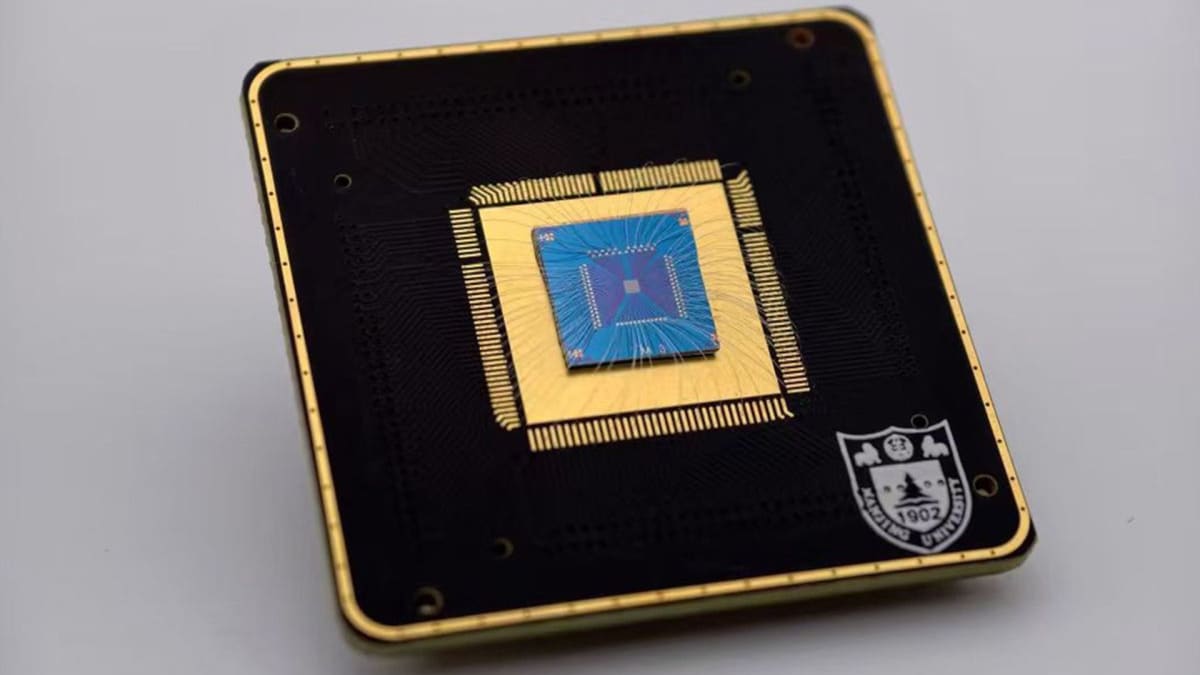
Now, a team from Shanghai AI Lab, Xiamen University, and Suzhou Laboratory has changed the game. They've used artificial intelligence to create a high-purity photoresist resin, a critical ingredient in semiconductor manufacturing, in just weeks instead of months.
Photoresist resin is the foundation of photoresist, a light-sensitive compound that acts like a stencil during chip production. Getting it right matters enormously because even tiny impurities or inconsistencies can ruin entire batches of semiconductors.
The team built an AI system that thinks through experimental protocols, predicts outcomes, and optimizes parameters automatically. Instead of human researchers manually trying combination after combination, the AI identifies promising paths that might have been missed entirely.
The physical setup is equally impressive. Multiple reactors and workstations work together in a fully automated loop, handling everything from precise liquid measurements to maintaining sterile conditions to post-processing steps.
The results speak for themselves. Metal impurities in the finished resin consistently stay below 10 parts per billion, an incredibly stringent standard. The molecular consistency measurement stays below 1.3, meeting the strict requirements that semiconductor manufacturers demand for reliable production.
Hengkun New Materials, the industrial partner working with the research team, has already adapted the AI-designed formula into their production process. The product is now entering customer validation, the final step before commercial manufacturing.
The Ripple Effect
This breakthrough extends beyond one laboratory success. The semiconductor industry has struggled with supply chain vulnerabilities, particularly for specialized materials controlled by just a few global suppliers.
By demonstrating that AI can dramatically accelerate materials research, the team has opened a new pathway for developing alternatives. What once took research teams months of exhaustive testing can now happen in weeks, making it economically feasible to explore more options and reduce supply bottlenecks.
The approach could transform how other critical chip materials get developed too. Every component in semiconductor manufacturing demands similar precision and consistency, and each currently requires lengthy development cycles.
China processes over half the world's semiconductors, yet depends heavily on imported materials for advanced manufacturing. Technologies like this AI-driven platform could help balance global supply chains and make chip production more resilient worldwide.
The scientists have shown that combining artificial intelligence with automated laboratory systems creates a powerful engine for materials discovery, one that could accelerate innovation across the entire semiconductor industry.
More Images



Based on reporting by Google News - AI Breakthrough
This story was written by BrightWire based on verified news reports.
Spread the positivity!
Share this good news with someone who needs it