AI Cuts Grocery Waste by 25%, Saves Millions of Tons of Food
A Stanford-born startup is using artificial intelligence to help grocery stores slash food waste by up to 25%, preventing millions of tons of fresh produce and meat from ending up in landfills. The technology just secured $34 million to expand nationwide.
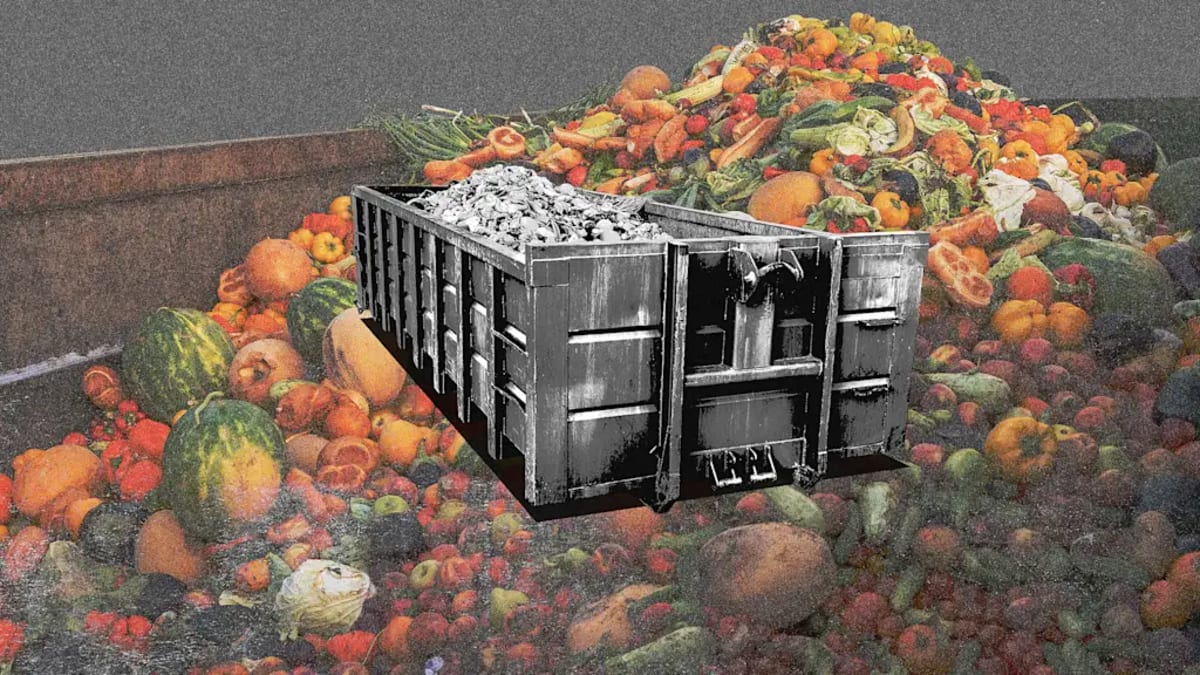
Four million tons of perfectly good food gets tossed by American grocery stores every year, and most of it is fresh produce and meat that spoils before customers can buy it. But a clever AI tool is turning that problem around, helping stores cut waste by a quarter while keeping shelves stocked with exactly what shoppers need.
When Matt Schwartz and Nathan Fenner visited grocery stores as Stanford MBA students a decade ago, they discovered something surprising. Store managers were ordering strawberries, avocados, and salmon using printed spreadsheets and handwritten notes, making educated guesses about what would sell.
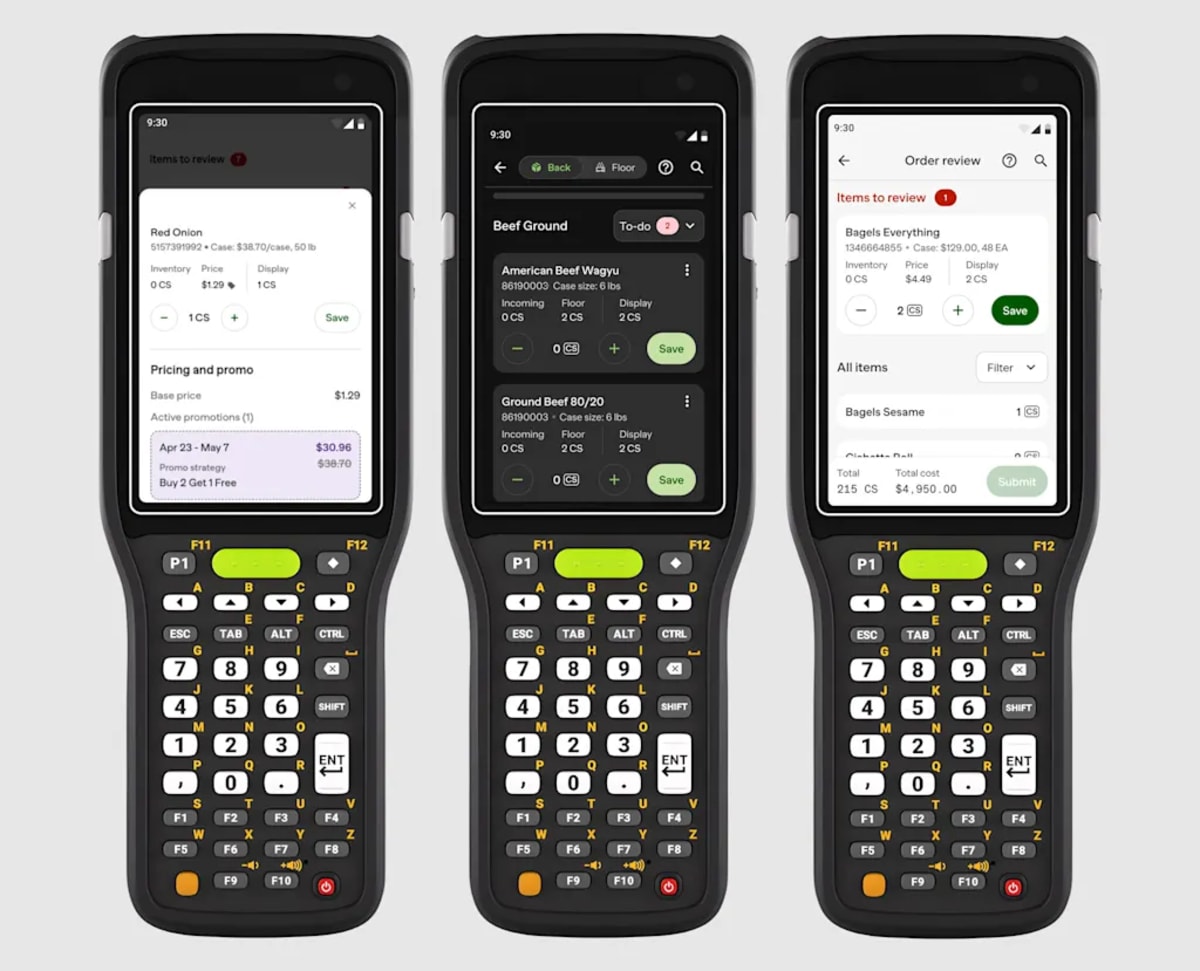
The duo founded Afresh to solve this puzzle with artificial intelligence. Their software tracks hundreds of billions of transactions from grocery stores and learns how products behave on shelves, accounting for quirky details like water evaporating from produce or customers accidentally ringing up organic apples as regular ones.
The system predicts demand by analyzing everything from weather patterns to food stamp timing. Then it tells managers exactly how much to order. The results speak for themselves: stores using Afresh typically reduce waste by 20% to 25%.
More than 12,500 grocery store departments now use the technology, including major chains like Safeway and Albertsons. The company just announced $34 million in fresh funding to expand further.
The technology creates other smart solutions too. Some stores discovered their produce displays were too large, so they downsized them or used fake fruit to make piles look abundant with less real food at risk of spoiling. Stores also learned to turn almost-bad avocados into fresh guacamole and overripe fruit into prepared meals.
The Ripple Effect
This innovation matters far beyond grocery store bottom lines. Every ton of food waste represents wasted water, energy, and farmland used to grow it. When stores order smarter, farms can plan better, trucks make more efficient deliveries, and the entire food system becomes less wasteful.
Families benefit too. Less waste means stores can maintain competitive prices without losing money on spoiled inventory. Fresh food stays fresher longer when it moves through the supply chain faster.
The $34 million funding round, led by climate-focused investors Just Climate and High Sage Ventures, signals that reducing food waste is becoming a serious climate solution. Food waste in landfills generates methane, a greenhouse gas far more potent than carbon dioxide.
What started with two students noticing outdated spreadsheets has grown into a nationwide movement proving that sometimes the smartest solutions come from simply asking better questions about everyday problems.
More Images

Based on reporting by Fast Company
This story was written by BrightWire based on verified news reports.
Spread the positivity!
Share this good news with someone who needs it