AI Cuts Rare Disease Drug Research From 100 Days to 17 Hours
A nonprofit is using AI to match 4,000 existing drugs with 18,000 diseases in less than a day, potentially bringing treatments to millions suffering from rare conditions. Every Cure has already identified 10 promising treatments since 2022.
Over 9,500 rare diseases have no cure, leaving millions of patients without hope as drug companies avoid the billion-dollar gamble of developing treatments for small patient populations.
Every Cure is flipping that equation. Instead of spending years and millions creating new drugs, the nonprofit uses artificial intelligence to find new uses for medicines already sitting on pharmacy shelves.
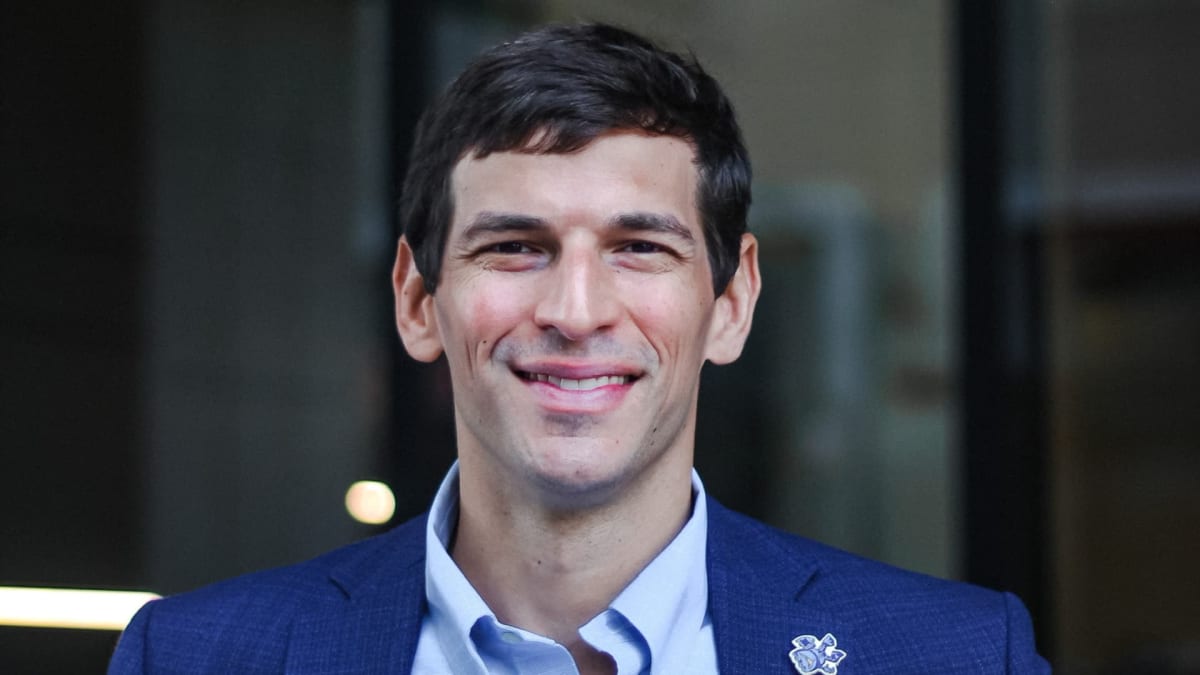
Dr. David Fajgenbaum founded the organization after nearly dying five times from Castleman disease, a rare immune disorder. He saved his own life by studying thousands of research papers and testing existing drugs on himself until he found one that worked.
Now his team is scaling that discovery process using AI. Every month, their system analyzes 4,000 existing drugs against more than 18,000 known diseases, generating 75 million possible matches. What once took 100 days of manual research now takes just 17 hours.
The approach is unusual because Every Cure doesn't focus on specific diseases. They look for any drug that could help any condition, then connect with patients who need it. This "disease-agnostic" model made fundraising difficult at first since donors typically want to fund research for diseases that affected their own families.
"We turned down a lot of money," Fajgenbaum said. "But I didn't want to spend five years and $5 million of someone's money and not find anything."
The gamble paid off. The Chan Zuckerberg Initiative became an early supporter, followed by the Lydia Hill Foundation and others. TED's Audacious Project committed $60 million, and the federal Advanced Research Projects Agency for Health added more than $130 million across two funding rounds.
Since launching in late 2022, Every Cure has identified 10 active treatment programs. Fajgenbaum expects most will reach patients soon. Before starting Every Cure, his team successfully repurposed 14 drugs for five different diseases, helping save over 1,000 lives in 12 years.
The Ripple Effect
Drug repurposing could transform treatment for rare disease patients who've been left behind by traditional pharmaceutical development. When a drug already has FDA approval for one condition, testing it for another use skips years of safety trials and costs a fraction of the price.
Every Cure's AI-powered approach means they can pursue dozens of promising treatments simultaneously instead of betting everything on a single disease. Their goal is to deliver treatments for 15 to 25 diseases by 2030.
For the estimated 400 million people worldwide living with rare diseases, these repurposed drugs could be the difference between suffering without options and finally having hope for treatment.
The technology that nearly killed Fajgenbaum is now helping him save others facing the same impossible odds he once faced.
Based on reporting by Google News - Disease Cure
This story was written by BrightWire based on verified news reports.
Spread the positivity!
Share this good news with someone who needs it