AI Detects Math Anxiety in Students, Adjusts in Real-Time
New AI systems can spot signs of math anxiety as students work and respond with emotionally intelligent feedback to help them push through frustration. Researchers at Adelaide University say this could transform how millions of anxious learners engage with math.
Imagine an AI tutor that senses when a student is getting frustrated with a math problem and responds with exactly the right encouragement to keep them going.
That's not science fiction anymore. Researchers at Adelaide University have demonstrated how artificial intelligence can identify math anxiety from subtle clues in student inputs and adjust its teaching approach in real time.
The breakthrough addresses a massive problem. More than a third of adults and children experience math anxiety, that paralyzing fear and tension when facing numbers. Students with severe math anxiety can perform nearly four years behind their less anxious peers.
Lead researcher Dr. Florence Gabriel says AI offers something most teachers simply can't provide at scale: personalized emotional support for every student, exactly when they need it. "While it's normal to feel some level of anxiety when encountering challenging subjects, excessive math anxiety can lead to avoidance, reduced self-confidence and a loss of control," she explains.
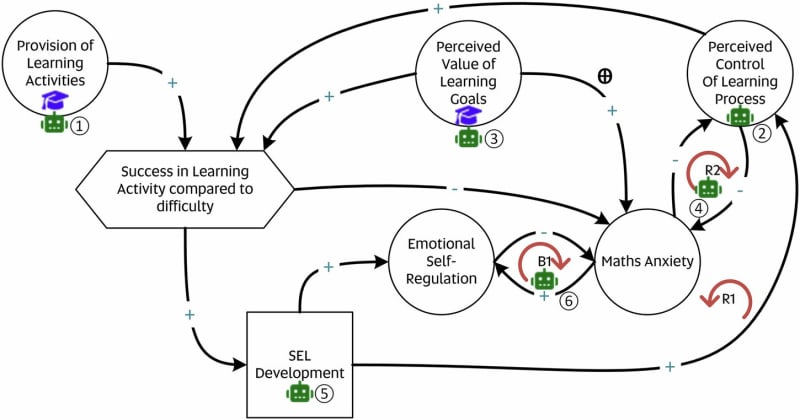
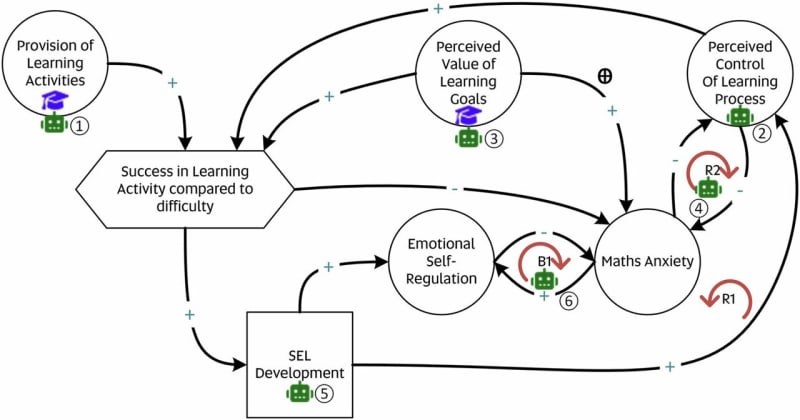
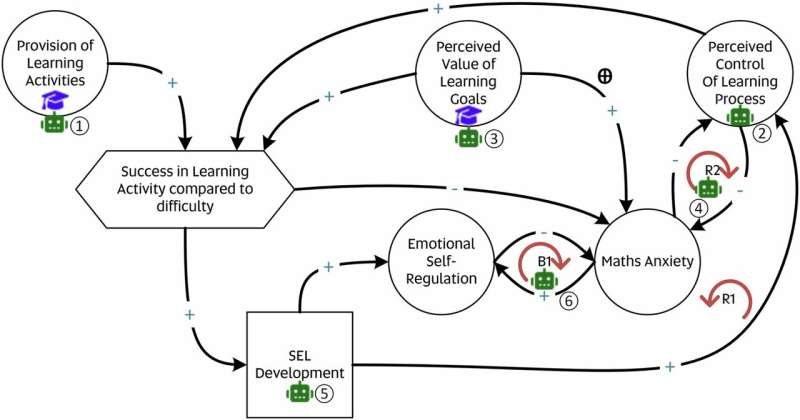
The AI systems work by recognizing patterns that signal trouble. Deleted text, long pauses, and repeated mistakes can all indicate a student is struggling emotionally, not just academically. When the system spots these red flags, it adapts its tone, adjusts difficulty levels, and provides encouragement tailored to that specific moment.
Published in npj Science of Learning, the research proposes treating emotional development as central to educational AI design, not an afterthought. The systems help students set realistic goals, provide emotionally intelligent feedback when frustration appears, and give learners more control over their own progress.
Co-researcher Dr. John Kennedy emphasizes this approach differs dramatically from current AI tools that simply generate answers. "When students rely on tools that simply generate answers, they only learn how to prompt the system rather than how to think through a problem," he says.
The Ripple Effect
The implications reach far beyond individual classrooms. Teachers receive real-time insights about which students need targeted support, freeing them to focus their limited time where it matters most. Students who might have given up on math entirely get the patient, personalized encouragement they need to keep trying.
The research team has already created a working AI Math tutor that demonstrates these principles in action. It's designed from the ground up for education, understanding not just what students get wrong, but how they feel while learning.
For the millions of students and adults who break into a cold sweat at the sight of numbers, AI tutors that understand both minds and emotions could finally make math feel less like a threat and more like a challenge they can handle.
More Images


Based on reporting by Phys.org
This story was written by BrightWire based on verified news reports.
Spread the positivity!
Share this good news with someone who needs it