AI Detects Stroke Risk at Home with 96% Accuracy
Korean researchers developed AI technology that spots stroke warning signs weeks before diagnosis by monitoring daily activities in older adults' homes. The breakthrough could shift healthcare from treating disease to preventing it.
Imagine if your home could warn you about a stroke before symptoms even appear. Thanks to researchers at KAIST in South Korea, that future just became reality.
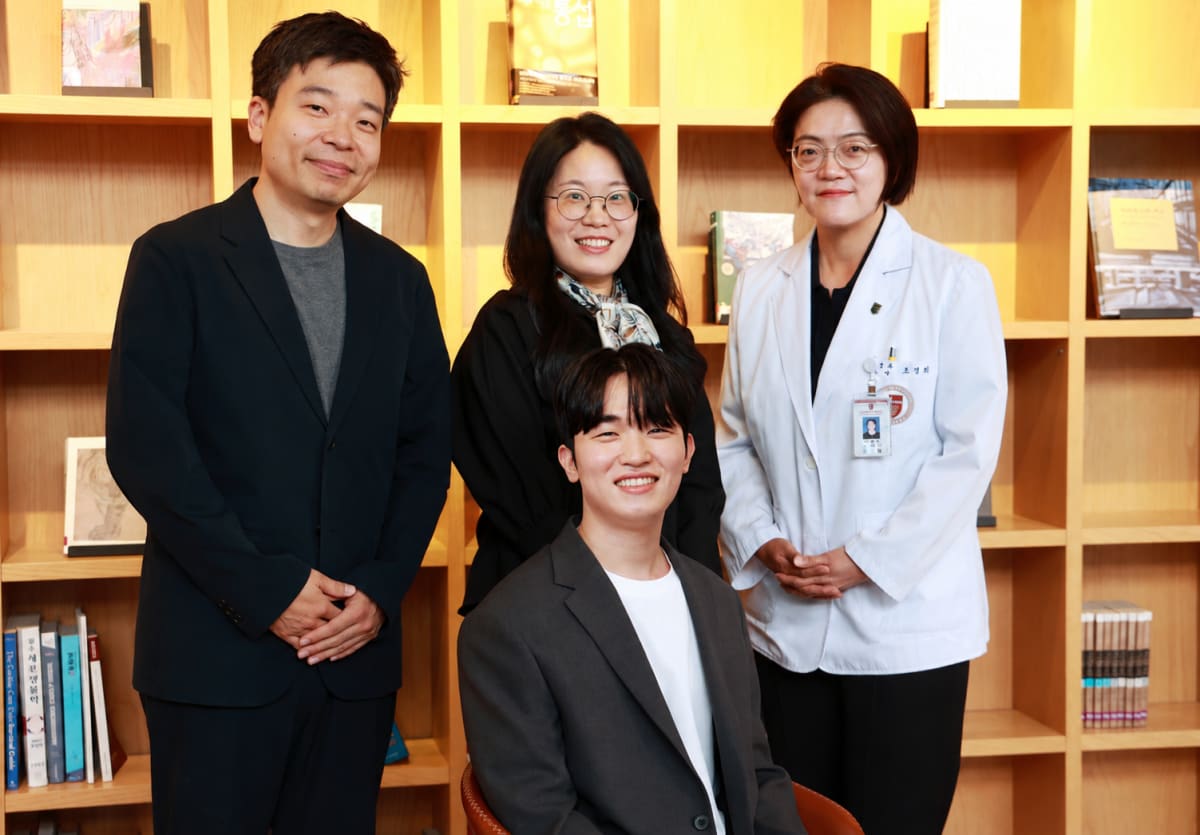
A team led by Professor Lisa Lim developed an AI system that analyzes everyday activities of older adults in their homes to detect early signs of cerebrovascular disease, which causes strokes. The technology monitors sleep patterns, daily routines, and even indoor humidity levels through contactless sensors.
The results are remarkable. When tested on data from 1,224 older adults, the AI distinguished between people nearing a stroke diagnosis and those who weren't with 96.53% accuracy. It spotted warning signs up to four weeks before people needed medical care.
The system works by noticing subtle changes that are easy to miss. Researchers found that people in early stages of cerebrovascular disease often stayed active between 10 p.m. and 2 a.m., when their bodies should be winding down for sleep. Their daily rhythms became irregular, with less distinction between daytime and nighttime activity.
As diagnosis time approached, the AI noticed another pattern. Evening activity between 6 p.m. and 10 p.m. dropped noticeably, while inactive time increased. Even environmental factors like low indoor humidity played a role in identifying imminent risk.
The technology doesn't replace doctors or predict exact stroke timing. Instead, it acts as an early warning system that prompts people to seek medical care at the right moment. This matters especially for older adults who may struggle to describe changes in how they feel.
Why This Inspires
This breakthrough represents a fundamental shift in how we think about healthcare. Instead of waiting for disease to strike and then treating it, we can now catch warning signs in the comfort of home through simple lifestyle monitoring.
The research team collaborated across three institutions, including Sungkyunkwan University and Korea University Anam Hospital. They analyzed 13,362 two-week lifestyle samples collected by LivOn Care Co. in real residential environments, not controlled lab settings.
Professor Lim emphasized that the goal isn't for AI to replace hospital diagnosis. "We can detect risk signals in small lifestyle changes at home and help connect patients to medical care at the right time," she explained. The technology supports prevention and early intervention rather than replacing clinical judgment.
The study appeared in npj Digital Medicine, a leading Nature Portfolio journal, in June 2026. Dr. Jeongyeop Baek served as first author on the research paper.
The team acknowledges more work lies ahead, including testing with larger patient groups before clinical application. Healthcare providers could one day use these digital markers alongside traditional medical assessments to protect vulnerable populations.
More Images

Based on reporting by Google News - AI Breakthrough
This story was written by BrightWire based on verified news reports.
Spread the positivity!
Share this good news with someone who needs it