AI Diagnoses Brain Fluid Leaks in Under One Minute
A new AI-powered device can tell the difference between a runny nose and a dangerous brain fluid leak in just 60 seconds, potentially saving lives by catching a condition that often gets mistaken for a cold. The technology achieved over 90% accuracy in hospital testing and works on portable devices.
Imagine dismissing what feels like a runny nose, only to discover fluid is actually leaking from your brain. This frightening mix-up happens more often than you'd think, and now scientists have created a tool that could save countless lives by solving this diagnostic puzzle in under a minute.
Researchers at Sungkyunkwan University in South Korea developed the world's first AI-powered device that distinguishes between ordinary nasal secretions and cerebrospinal fluid. CSF is the protective liquid surrounding your brain and spinal cord, and when it leaks through the nose after head trauma, surgery, or even aging, it looks exactly like the clear fluid from a regular cold.
The consequences of missing this diagnosis can be deadly. When CSF leaks go untreated, bacteria can travel directly into the brain and cause meningitis, a life-threatening infection.
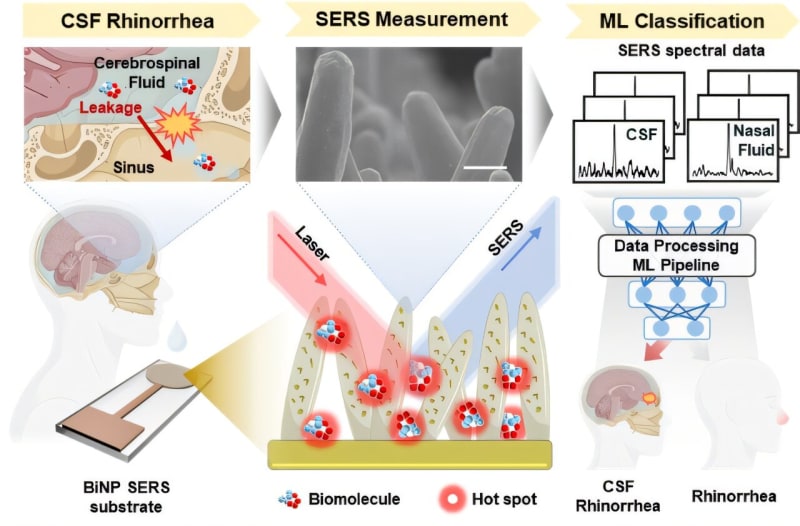
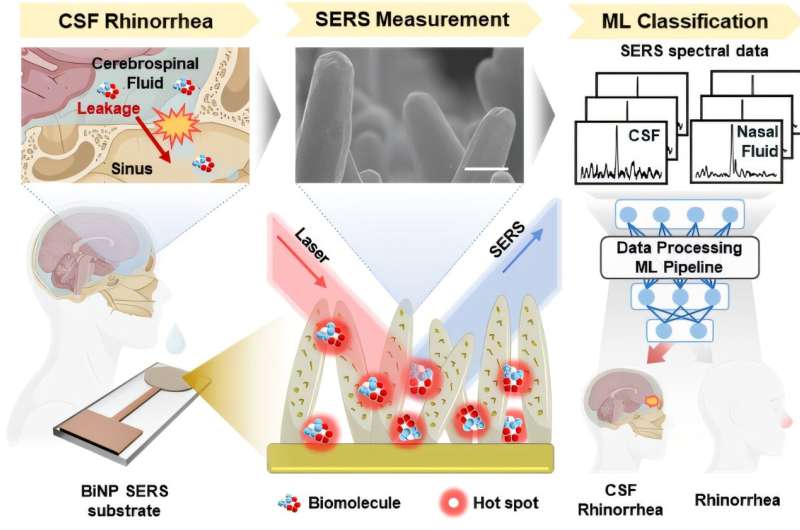
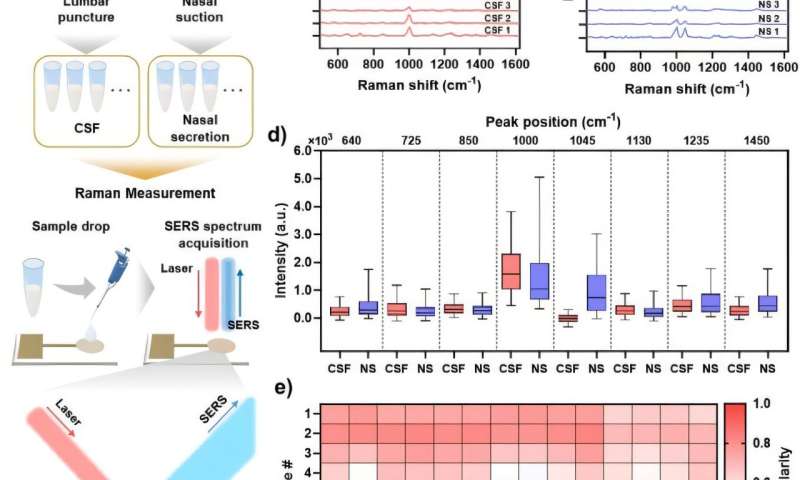
The new diagnostic platform uses light technology called Raman spectroscopy to read the molecular "fingerprints" of fluid samples. Scientists built tiny gold and silver structures that amplify weak biological signals by tens of thousands of times, then trained AI to recognize the distinct patterns of CSF versus normal nasal discharge.
When tested on real patient samples at Samsung Medical Center, the system achieved 90.8% accuracy in identifying CSF leaks. The team also created a special calibration algorithm that allows the technology to work just as well on portable devices as it does on expensive hospital equipment.
This breakthrough means emergency rooms and small clinics could soon diagnose potential brain fluid leaks almost instantly, without waiting for lab results or specialized testing. Patients who might have gone home thinking they had allergies could instead receive immediate, life-saving treatment.
Why This Inspires
For decades, doctors have struggled with this diagnostic challenge because the two fluids look identical to the naked eye. Current testing methods require sending samples to labs and waiting for results while patients remain at risk.
This technology represents the kind of progress that transforms medical care from reactive to preventive. By putting powerful diagnostic tools into portable devices, it democratizes access to sophisticated testing that was previously available only in major medical centers.
The research team's focus on making the platform work across different types of equipment shows genuine commitment to real-world application rather than just laboratory success.
Patients suspected of CSF leaks could soon walk into any clinic and know their diagnosis before they finish their appointment, turning what was once an overlooked danger into a quickly identified and treatable condition.
More Images

Based on reporting by Medical Xpress
This story was written by BrightWire based on verified news reports.
Spread the positivity!
Share this good news with someone who needs it