AI Fears Ease: Jobs Holding Steady Since ChatGPT Launch
Despite dire predictions, new research shows AI hasn't triggered mass job losses yet. Workers and policymakers still have time to prepare for the tech transition ahead.
Remember all those headlines warning that ChatGPT would steal your job? New data suggests we can breathe a little easier.
Researchers at Yale University and the Brookings Institution just wrapped up a comprehensive study of employment patterns since ChatGPT launched in late 2022. Their finding? No meaningful shift in job loss or unemployment has occurred, despite widespread predictions of an AI-driven labor apocalypse.
The numbers tell a surprisingly calm story. Only 18% of US businesses report actually using AI in their daily operations, according to Census data collected through February 2025. Just 22% expect to adopt it within six months.
Many companies talk a big game about AI transformation to impress shareholders, but the reality on the ground looks different. The technology either doesn't fit their operations yet, or the tools haven't matured enough to make a real difference.
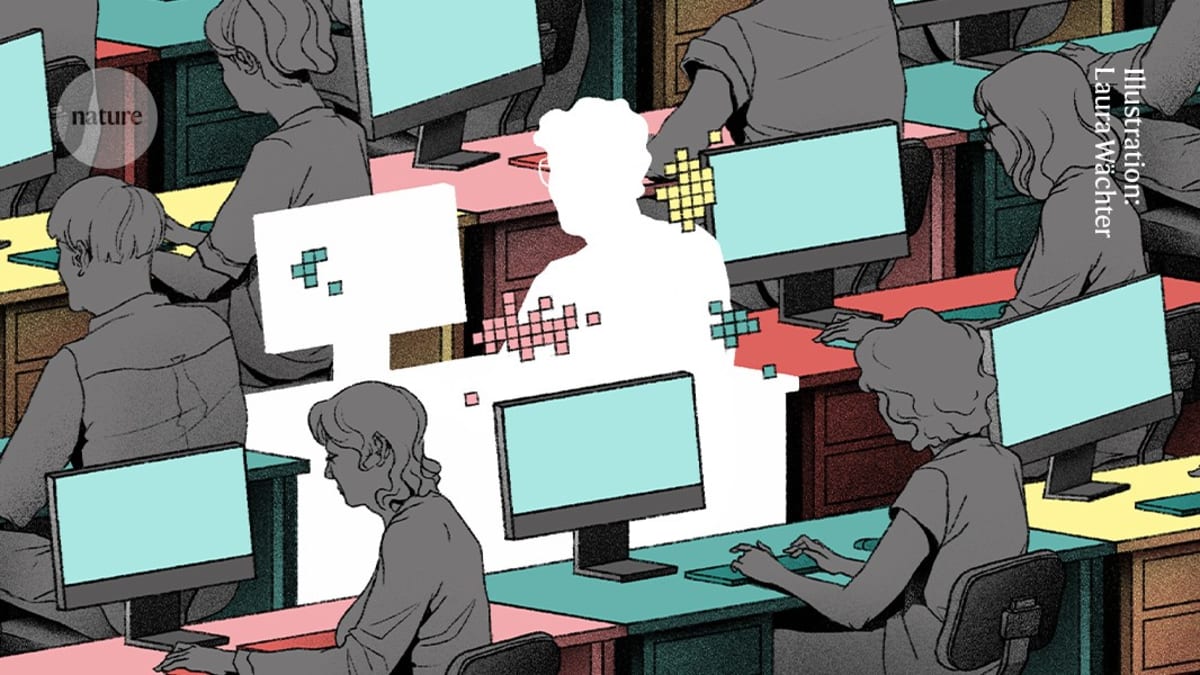
Historically, transformative technologies leave clear fingerprints in employment data. Computer jobs exploded while secretarial roles declined from 1.5 million in 2007 to under 500,000 by 2023. If AI were already reshaping work, we'd see similar patterns: fewer administrative assistants, more machine learning specialists, longer unemployment for translators and legal secretaries.
Those shifts simply aren't showing up yet. Job distributions are changing at the same pace they did before the ChatGPT era began.
The Bright Side
This breathing room is actually great news. Academics and policymakers now have precious time to figure out who will need support during the eventual transition, rather than scrambling to help workers after the damage is done.
Young workers especially have been anxious about their futures, but without clear data on which jobs face the biggest risks, any support programs would amount to guesswork. Poor targeting could mean missing the people who actually need help most.
The research team emphasizes one urgent need: better data collection systems to track this transformation as it unfolds. Learning from past tech revolutions like electricity and the internet, we know that adaptation takes years, sometimes decades. The workforce had time to adjust then, and early signs suggest AI might follow a similar timeline.
Nobody's dismissing the real strain that job transitions create for workers. But the panic over imminent mass unemployment appears premature, giving society a chance to get this transition right.
More Images




Based on reporting by Nature News
This story was written by BrightWire based on verified news reports.
Spread the positivity!
Share this good news with someone who needs it