AI Finally Learns to Say 'I Don't Know' Like Humans
Scientists in South Korea taught AI to admit when it doesn't know something, mimicking how human brains develop before birth. The breakthrough could make chatbots safer for medicine and self-driving cars.
Artificial intelligence just learned one of the most human skills: admitting when it has no clue about something.
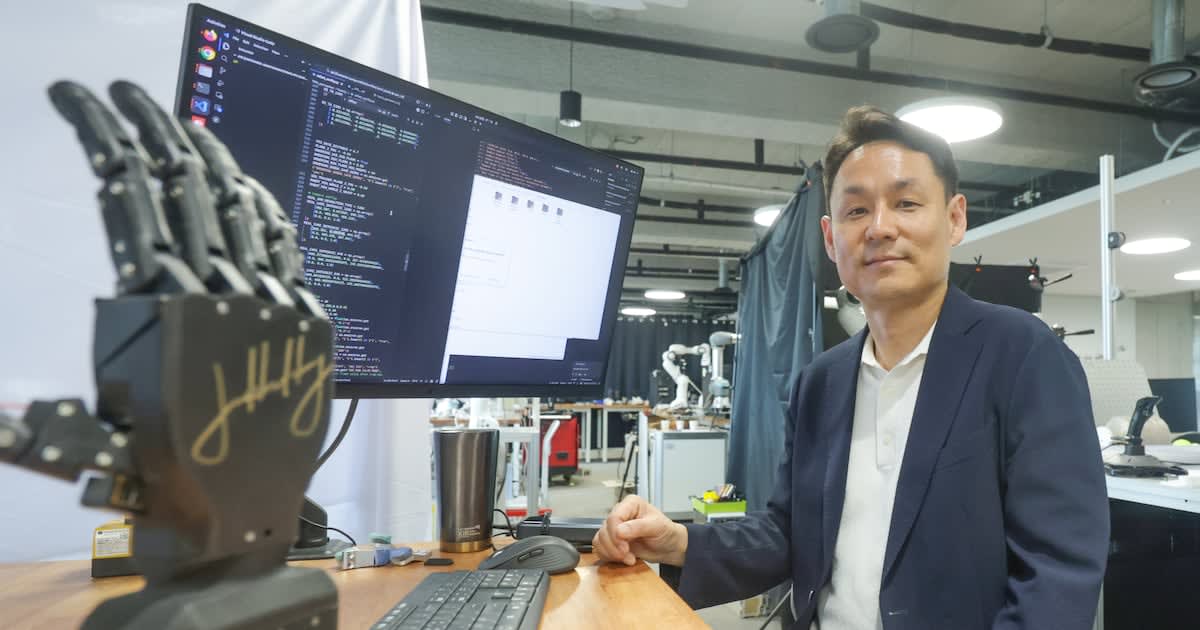
Researchers at the Korea Advanced Institute of Science and Technology cracked a problem that's plagued AI for years. ChatGPT and similar tools often "hallucinate" by confidently making up facts rather than saying "I don't know."
The team discovered the root cause lies in how AI learns from its very first data. Small errors at this early stage snowball into bigger problems later, creating overconfident models that guess instead of admitting uncertainty.
Their solution came from an unexpected place: human babies. Before birth, our brains generate random signals that help us learn to recognize what we don't know yet.
The scientists mimicked this by giving AI models a "warm-up" with random noise before actual training begins. This brief pre-training session helps the AI set a baseline for uncertainty, teaching it the state of "I don't know anything yet."
The results were striking. While traditional AI models give wrong answers with high confidence about unfamiliar topics, the warm-up trained models clearly recognized when they lacked knowledge and lowered their confidence accordingly.
Why This Inspires
This isn't just about chatbots giving better answers. It's about making AI safe enough to trust with life-or-death decisions.
In medical diagnosis, an overconfident AI might recommend the wrong treatment. In autonomous driving, a model that doesn't recognize its own limitations could make dangerous choices.
Teaching AI to understand "what it knows" versus "what it doesn't know" brings these tools closer to human-like reasoning. The study, published in Nature Machine Intelligence, shows that borrowing from brain development creates smarter, more honest technology.
"This helps AI understand when it is uncertain or might be mistaken, not just improve how often it gives the right answer," said researcher Se-Bum Paik.
The breakthrough opens doors for AI we can actually rely on in high-stakes situations where admitting uncertainty isn't a weakness but a strength.
More Images



Based on reporting by Google: AI breakthrough
This story was written by BrightWire based on verified news reports.
Spread the positivity!
Share this good news with someone who needs it