AI Finds 1,300 Cosmic Oddities in Hubble's 35-Year Archive
A new AI tool discovered more than 1,000 unexplained cosmic objects hiding in decades of Hubble telescope images, including galaxies shaped like jellyfish and hamburgers. Scientists say dozens of these discoveries don't fit any known classification.
Thirty-five years of space photos just revealed their secrets, and some of them have astronomers scratching their heads in the best way possible.
A new artificial intelligence tool scanned through 100 million images from the Hubble Space Telescope and found 1,300 strange cosmic objects in just two days. Of these discoveries, 800 had never been spotted before, and several dozen don't fit into any existing scientific category.
European Space Agency research fellows David O'Ryan and Pablo Gómez created the AI tool called AnomalyMatch to tackle a problem that's both exciting and overwhelming. The Hubble telescope has been capturing images since 1990, creating such a massive archive that no human team could thoroughly review it all.
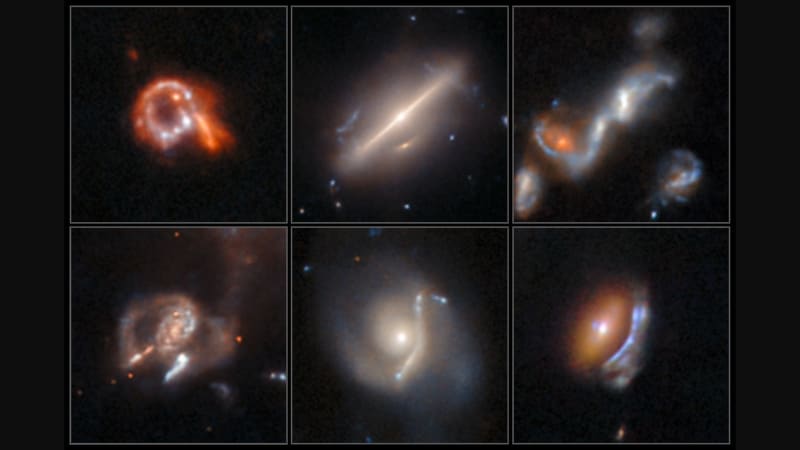
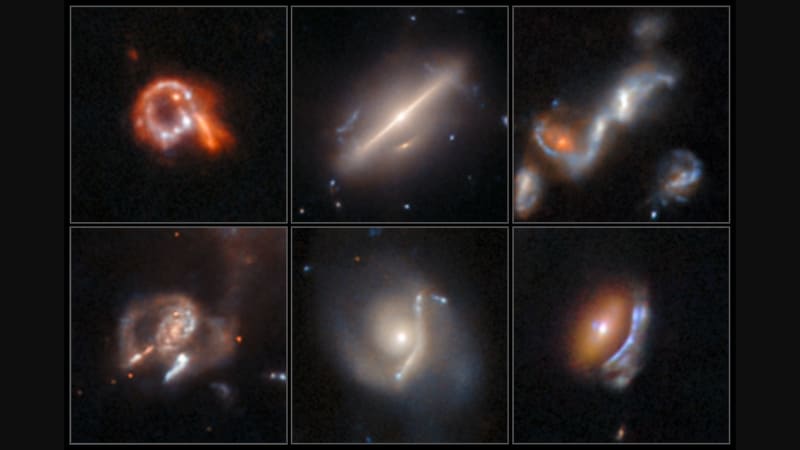
The discoveries read like a cosmic zoo. Scientists found galaxies that look like jellyfish with gaseous tentacles streaming behind them, planet-forming disks that resemble hamburgers, and collisional ring galaxies created when one galaxy crashes straight through another.
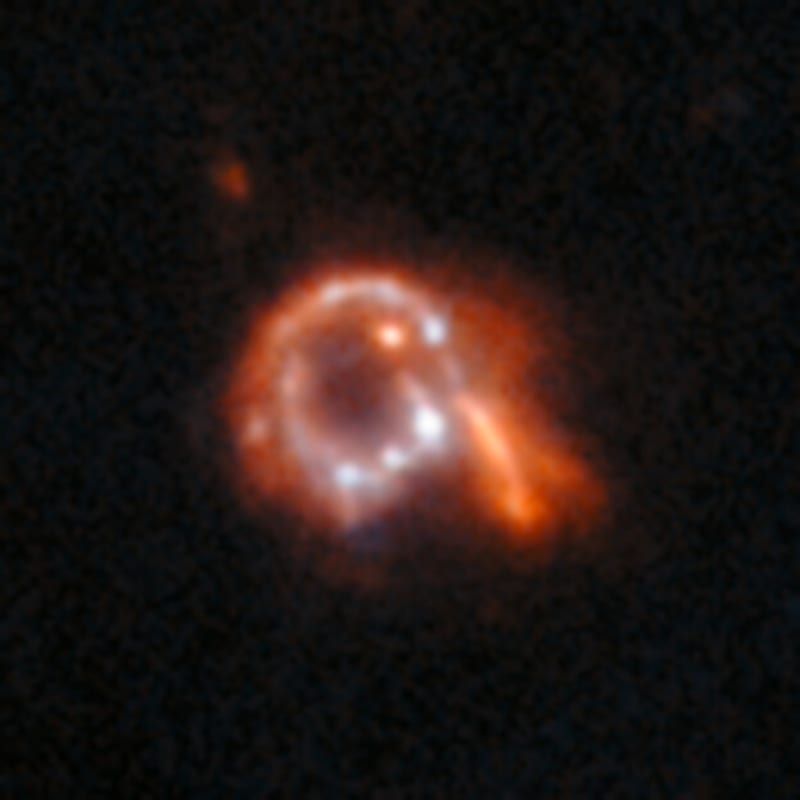
Many of the oddities turned out to be galaxies merging together, creating unusual shapes and trailing streams of stars and gas. Others were gravitational lenses, where a foreground galaxy bends light from galaxies behind it into arcs and rings.
Why This Inspires
This breakthrough shows how new technology can unlock hidden treasures in existing resources. Instead of waiting for new telescopes, researchers used AI to see what was already there, just waiting to be noticed.
The approach could transform how we explore space going forward. Upcoming missions like the Nancy Grace Roman Telescope and the Vera C. Rubin Observatory will generate even more data than Hubble, creating what scientists call a "data deluge."
AnomalyMatch proves that AI tools can help researchers keep pace with this flood of information, potentially spotting new cosmic phenomena faster than ever before. The European Space Agency's Euclid telescope is already surveying billions of galaxies, and similar AI tools could help scientists make sense of that massive dataset.
The traditional method of finding unusual objects in space relied on manual inspection or lucky observations. Now, AI can scan millions of images in days, flagging anything that looks different from the patterns it learned during training.
Gómez called it "a powerful demonstration of how AI can enhance the scientific return of archival datasets," while O'Ryan noted that 35 years of Hubble observations provided "a treasure trove of data in which astrophysical anomalies might be found."
The best part? There are likely more discoveries waiting in archives from other telescopes and instruments, ready for the right tools to find them.
More Images


Based on reporting by Live Science
This story was written by BrightWire based on verified news reports.
Spread the positivity!
Share this good news with someone who needs it