AI Finds 1,300 Hidden Cosmic Wonders in Hubble Archive
A new AI tool discovered over 1,300 rare cosmic objects hiding in 35 years of Hubble Space Telescope data, including colliding galaxies and mysterious phenomena that scientists can't even classify yet. The breakthrough shows how artificial intelligence can unlock decades of hidden discoveries waiting in space telescope archives.
Scientists just uncovered more than 1,300 cosmic treasures that were hiding in plain sight for decades, thanks to a smart new AI tool that can spot rare wonders faster than any human astronomer.
Researchers David O'Ryan and Pablo Gómez from the European Space Agency created an artificial intelligence program called AnomalyMatch to search through 35 years of NASA's Hubble Space Telescope data. In just two and a half days, their AI reviewed nearly 100 million images and flagged extraordinary objects that would have taken human scientists years to find.
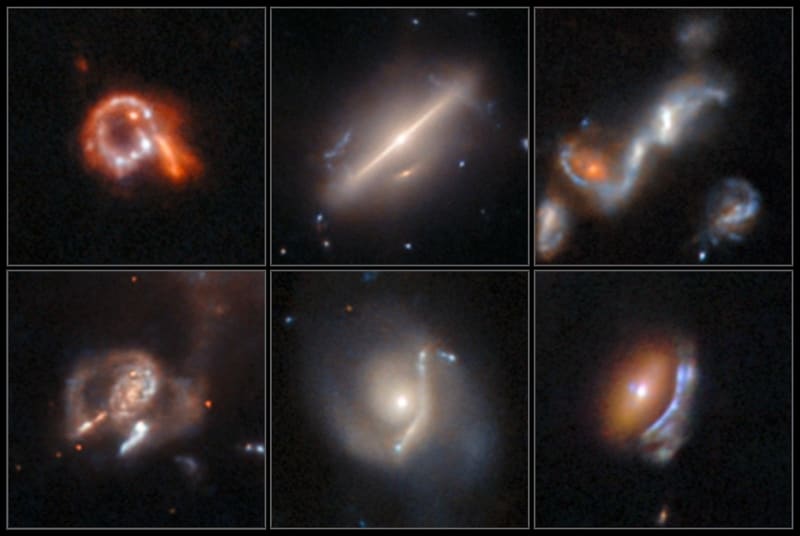
More than 800 of these discoveries had never been documented in scientific research before. The finds include galaxies crashing into each other, creating spectacular streams of stars and gas stretching across space.
The AI also spotted gravitational lenses, where massive galaxies bend light from objects behind them into stunning arcs and rings. Other discoveries included galaxies shaped like jellyfish with gaseous tentacles, enormous star-forming regions, and disk-shaped clouds where new planets are being born.
Several dozen objects were so unusual they don't fit any existing classification. Scientists literally don't have categories for them yet.
The challenge facing astronomers today is actually a good problem to have: too much data. Hubble alone has collected 35 years of observations, creating an enormous archive that no team of humans could thoroughly review.
Traditional methods rely on astronomers manually inspecting images or stumbling upon oddities by accident. Even citizen science projects, where volunteers help analyze space photos, can't keep pace with archives as massive as Hubble's.
Why This Inspires
This breakthrough shows that some of the universe's most amazing secrets have been sitting in our data archives all along, just waiting for the right tools to reveal them. We're not just looking forward to new telescope discoveries anymore. We're also looking backward through decades of existing observations with fresh eyes.
The timing couldn't be better. NASA's upcoming Nancy Grace Roman Space Telescope and other next-generation observatories will generate unprecedented amounts of data. Tools like AnomalyMatch will be essential for navigating this flood of information and finding cosmic surprises we never expected.
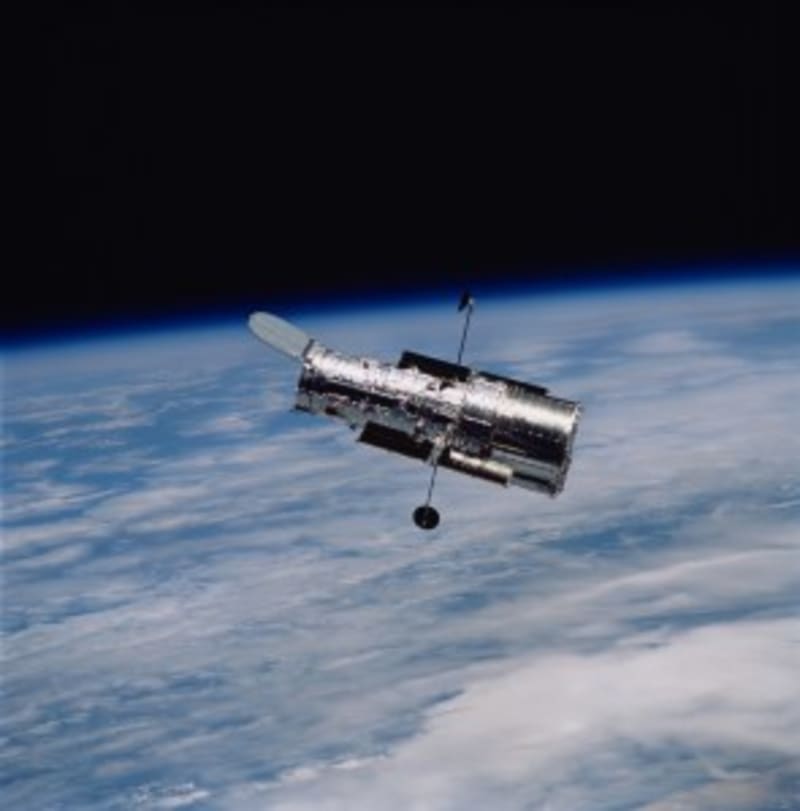
The Hubble Space Telescope launched in 1990 and continues making groundbreaking discoveries. Now, thanks to artificial intelligence, those discoveries include phenomena that were photographed years ago but remained invisible until today.
Every image Hubble has ever captured might contain wonders we haven't noticed yet, and we finally have the technology to find them.
More Images



Based on reporting by NASA
This story was written by BrightWire based on verified news reports.
Spread the positivity!
Share this good news with someone who needs it