AI Finds Gut Markers That Could Detect Cancer Early
Scientists used artificial intelligence to discover shared biological markers in gut bacteria that could detect digestive cancers and diseases before symptoms appear. This breakthrough could replace invasive tests with simple, early screenings that save lives.
Imagine catching cancer from a simple gut test instead of waiting until symptoms force you into the doctor's office.
Scientists at the University of Birmingham have used AI to identify specific gut bacteria and chemical compounds that signal the presence of gastric cancer, colorectal cancer, and inflammatory bowel disease. The discovery could transform how doctors detect these often-deadly conditions, catching them earlier when they're most treatable.
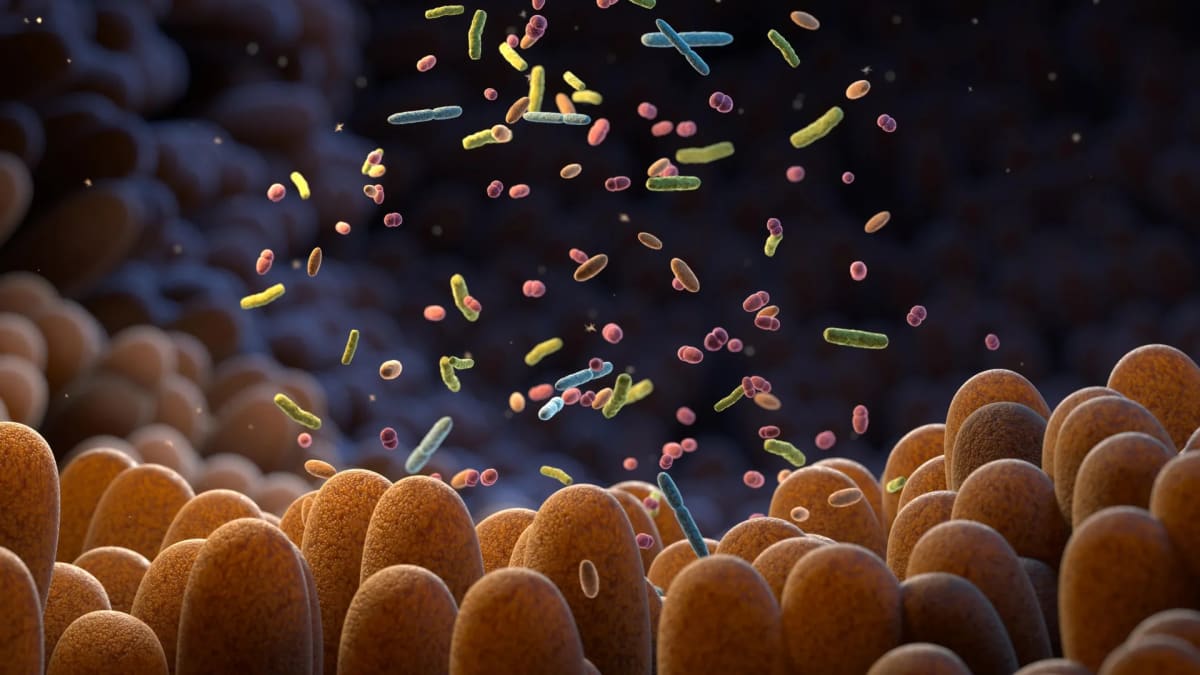
The research team analyzed gut microbiome data from hundreds of patients using advanced machine learning. What they found was remarkable: certain gut bacteria act like fingerprints for specific diseases, and some markers can even predict multiple conditions at once.
Dr. Animesh Acharjee, who led the study, explains the game-changing potential. "Current diagnostic methods like endoscopy and biopsies are invasive, expensive, and sometimes miss diseases at early stages," he says. These new biomarkers could identify diseases earlier and more accurately, leading to better, more personalized treatment.
The AI discovered that diseases once thought to be separate actually share biological pathways. Models trained on gastric cancer data could identify inflammatory bowel disease markers, while colorectal cancer models accurately predicted gastric cancer signs. This cross-disease insight opens doors to universal screening tools that catch multiple conditions simultaneously.
Each disease showed distinct gut signatures. Gastric cancer patients had elevated levels of specific Firmicutes and Bacteroidetes bacteria, along with changes in compounds like taurine. Colorectal cancer showed different markers, including Fusobacterium bacteria and metabolites like isoleucine. Inflammatory bowel disease revealed its own unique pattern with Lachnospiraceae bacteria and urobilin.
The team ran computer simulations showing clear metabolic differences between healthy individuals and those with disease. These digital models confirmed that the biomarkers reliably distinguish between wellness and illness, validating their potential as diagnostic tools.
The Ripple Effect
This research reaches far beyond laboratory findings. The scientists are now working to develop non-invasive diagnostic tests that could be as simple as analyzing a stool sample. Instead of waiting for painful symptoms or undergoing uncomfortable procedures, people could get screened regularly and catch problems before they become life-threatening.
The personalized medicine aspect matters too. Understanding each patient's unique gut signature means doctors can tailor treatments to individual biology rather than using one-size-fits-all approaches. This precision could improve survival rates while reducing unnecessary treatments and their harsh side effects.
The research team plans to validate their findings with larger, more diverse patient groups and explore whether these markers can predict additional related diseases. They're building toward a future where a universal gut health screening becomes as routine as checking blood pressure.
Early detection transforms cancer from a death sentence into a manageable condition, and this breakthrough brings that reality closer for millions of people worldwide.
Based on reporting by Science Daily
This story was written by BrightWire based on verified news reports.
Spread the positivity!
Share this good news with someone who needs it