AI Finds Gut Markers That Detect Cancer Earlier
Scientists used artificial intelligence to discover shared gut bacteria patterns that could diagnose multiple digestive cancers and diseases earlier, without invasive procedures. The breakthrough could transform how doctors catch serious conditions before they progress.
Imagine detecting cancer with a simple gut test instead of invasive biopsies. Scientists at the University of Birmingham just made that future much closer to reality.
Researchers used artificial intelligence to uncover hidden patterns in gut bacteria that signal gastric cancer, colorectal cancer, and inflammatory bowel disease. The most exciting part? These biological "fingerprints" work across multiple diseases, meaning one test could catch several serious conditions early.
The team analyzed gut microbiome data from patients with different digestive diseases using advanced machine learning. What they found surprised them: markers trained to detect one disease often predicted another. For instance, models based on gastric cancer data successfully identified inflammatory bowel disease markers, while colorectal cancer models accurately predicted gastric cancer indicators.
Lead researcher Dr. Animesh Acharjee explained why this matters. Current diagnostic methods like endoscopy and biopsies work but often miss diseases in early stages, when treatment is most effective. They're also invasive, expensive, and uncomfortable for patients.
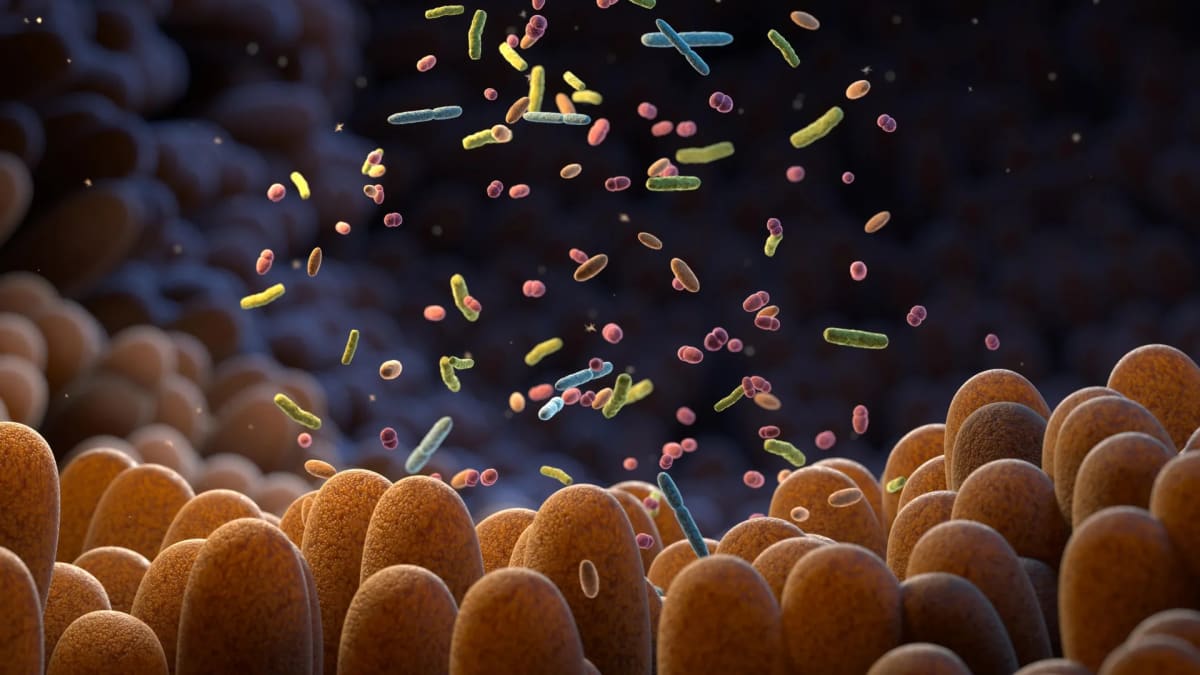
The study identified specific bacteria and chemical compounds linked to each disease. For gastric cancer, bacteria from groups like Firmicutes and Bacteroidetes appeared alongside metabolites such as taurine. Colorectal cancer showed markers including Fusobacterium bacteria and nicotinamide metabolites. Inflammatory bowel disease featured Lachnospiraceae bacteria and compounds like urobilin.
What made these findings powerful was the overlap. Many markers appeared in multiple diseases, suggesting these conditions share underlying biological pathways. This interconnection could lead to universal diagnostic tools that screen for several diseases simultaneously.
The team didn't stop at identification. They ran computer simulations showing how gut microbes grow and metabolites flow through biological systems. These simulations revealed clear differences between healthy people and those with disease, confirming these biomarkers could work in real-world diagnosis.
The Ripple Effect
This discovery extends far beyond individual patients. The research team plans to develop non-invasive diagnostic tests based on these findings, potentially transforming how millions receive care. Instead of waiting until symptoms become severe enough for invasive procedures, doctors could catch diseases earlier when treatment is simpler and more effective.
The personalized medicine approach could also lead to targeted therapies tailored to each patient's unique gut profile. Researchers are already working to validate their models with larger, more diverse patient groups and exploring whether these biomarkers might predict additional related diseases.
For the roughly 3 million Americans living with inflammatory bowel disease and hundreds of thousands diagnosed with digestive cancers each year, this breakthrough offers genuine hope for easier, earlier detection and better outcomes.
Based on reporting by Google News - Scientists Discover
This story was written by BrightWire based on verified news reports.
Spread the positivity!
Share this good news with someone who needs it