AI Finds Magnet Alternative to Cut EV and Wind Costs
Scientists used artificial intelligence to identify 25 new magnetic materials that could replace expensive rare earth elements in electric vehicles and wind turbines. The breakthrough could make clean energy technology cheaper and less dependent on limited global supply chains.
Electric cars and wind turbines might soon get a lot cheaper, thanks to a tiny magnet breakthrough that solves a problem most people never knew existed.
Researchers at the University of New Hampshire used artificial intelligence to discover 25 new magnetic materials that could replace rare earth elements in clean energy technology. These small but crucial magnets power the motors in electric vehicles and generators in wind turbines, but right now they depend on materials that are expensive, hard to find, and controlled by a single country.
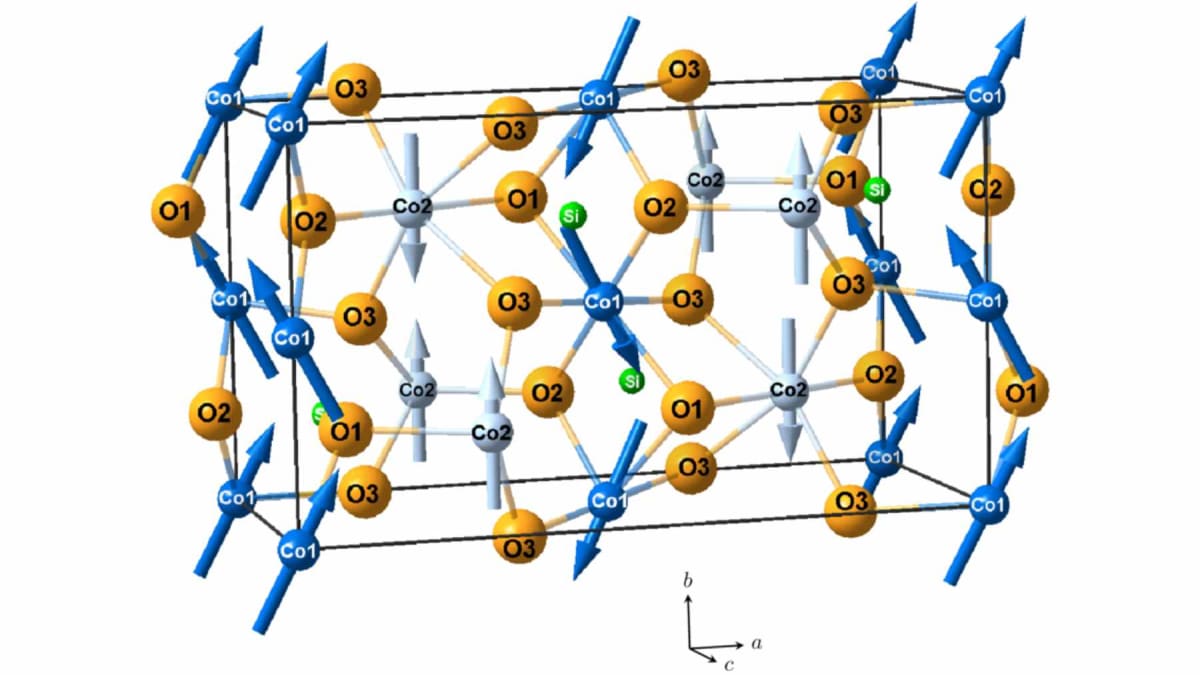
The team built a public database called NEMAD by teaching AI to read through 100,000 scientific articles and extract useful information about magnetic materials. The system identified compounds that can withstand extreme heat while maintaining their magnetic properties, a critical requirement for parts that need to keep working inside hot EV motors and generators.
One of the most promising candidates, a compound called GaFe2Co4Si, can maintain its magnetic strength at temperatures up to 732 degrees Celsius. That matters because motors generate intense heat, and magnets that fail under those conditions can bring entire systems to a halt.
The supply chain problem runs deeper than most consumers realize. China currently supplies around 80% of the world's refined rare earth elements, and recycling efforts recover only limited quantities from old batteries and magnets. If the largest supplier suddenly stopped exporting, remaining global supply would cover only 35 to 40% of demand outside that country.
Lead author Suman Itani said the research aims to reduce dependence on rare earth elements while helping cut costs for electric vehicles and renewable energy systems. The AI models reached 90% accuracy when classifying different types of magnetic materials, turning what used to be years of lab work into a faster, more efficient search.
The compounds identified still need experimental verification in real-world conditions. Seven of the predicted materials were later confirmed in scientific literature with magnetic properties matching the AI's predictions, while the remaining 25 are now targets for laboratory testing.
The Ripple Effect
Lower magnet costs could transform the clean energy economy in ways that reach far beyond the lab. Cheaper electric vehicles become accessible to more families, while more affordable wind turbines help communities generate their own renewable power. Countries that import rare earth elements could build more resilient supply chains, and manufacturers could plan production without worrying about sudden shortages or price spikes.
The research team made their database public, allowing scientists worldwide to build on the work and accelerate the search for even better alternatives. What started as a reading task no ordinary lab could complete at reasonable speed has become a roadmap for making clean energy technology more practical and widespread.
This is what progress looks like when technology solves real bottlenecks instead of creating flashy headlines.
More Images


Based on reporting by Google News - Wind Energy
This story was written by BrightWire based on verified news reports.
Spread the positivity!
Share this good news with someone who needs it