AI Firefighting Robots Team Up With 99.67% Success Rate
Robot vehicles powered by artificial intelligence have learned to work together to fight fires, achieving near-perfect success in early trials without risking human lives. The breakthrough could transform emergency response by keeping firefighters safely away from dangerous situations.
Firefighting robots that can team up and make decisions on their own just proved they're ready for real-world action, completing test missions with stunning accuracy.
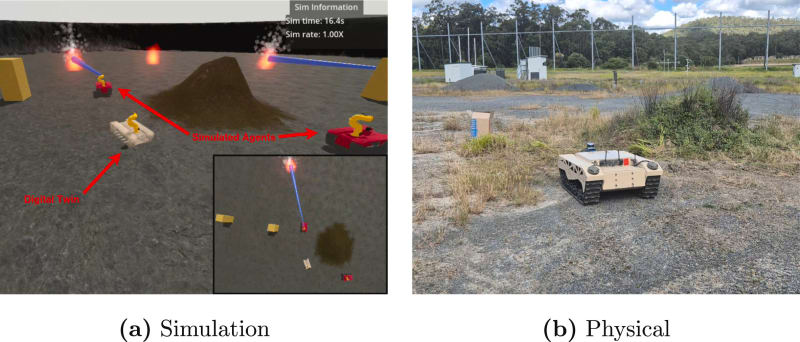
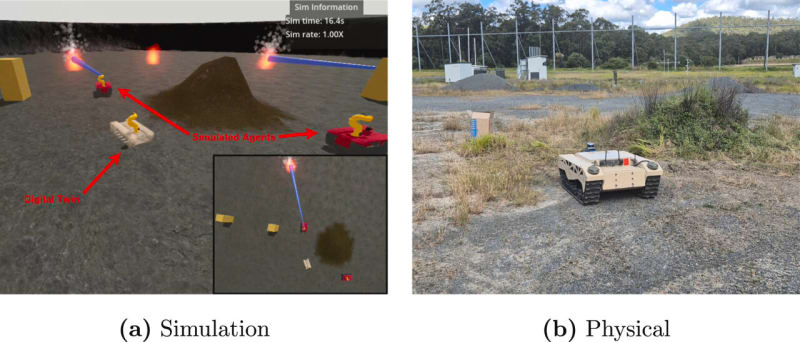
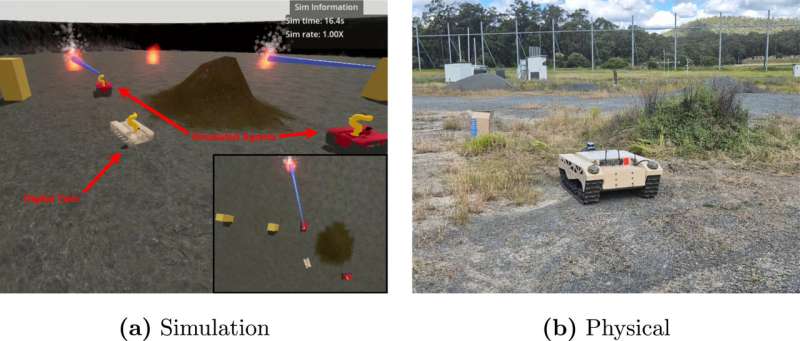
Researchers from Griffith University and Cyborg Dynamics Engineering taught unmanned ground vehicles to coordinate like a skilled crew, navigating obstacles and extinguishing multiple fires with a 99.67% success rate. The robots learned through a three-stage training program, starting with simple navigation and building up to complex firefighting scenarios with up to five robots working simultaneously.
What makes this breakthrough special is how the robots self-organize without constant human control. They split into teams, allocate tasks among themselves, and respond to changing situations faster than any human operator watching a screen could manage.
Ryan Marple, General Manager at Cyborg Dynamics Engineering, says his company already has remotely controlled firefighting robots deployed at Australian mine sites. "These units are remotely controlled by a human, a bit like an RC car," Marple explains. "They have been an extremely effective measure in removing human firefighters from dangerous situations and enabling high-value assets to be saved from fires."
The new AI system takes that safety benefit even further. Instead of one person controlling one robot, these autonomous teams can handle complex emergencies by processing data from multiple sensors and making split-second decisions together.
Dr. Zhe Hou, who led the project, points out that the technology moves beyond simple remote control to true collaboration. The robots use multi-agent reinforcement learning, which means they learned teamwork the way humans do: through practice and experience, gradually taking on harder challenges.
The Ripple Effect
Beyond mining sites, this technology could reshape how we respond to wildfires, chemical spills, and building fires. Emergency responders could deploy robot teams to assess and control dangerous situations before any human gets close.
The research team is already imagining the next chapter: underwater robots for marine emergencies, aerial drones for forest fires, or mixed teams combining different vehicle types. The same AI training approach could work across all these platforms, creating versatile emergency response options.
For firefighters who regularly put their lives on the line, having robot teammates that can handle the most dangerous parts of their job isn't science fiction anymore.
More Images
Based on reporting by Phys.org - Technology
This story was written by BrightWire based on verified news reports.
Spread the positivity!
Share this good news with someone who needs it