AI Helps Italian Police Recover $226M in Stolen Art
A new AI system spotted a 20-year-old stolen painting at an Italian art fair in just two hours, even though thieves had cleverly altered it. Since 2023, the technology has helped recover over 300 paintings and 165,000 artifacts worth more than $226 million.
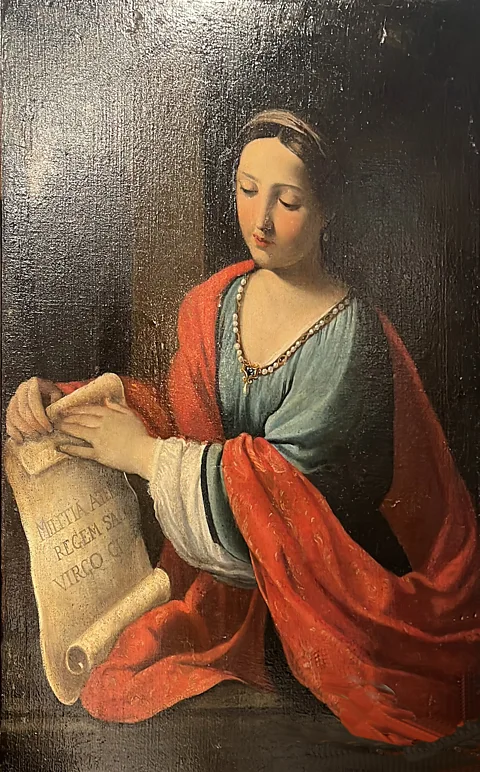
When Italian police walked through an art fair in Parma last October, snapping photos on their phones, they had no idea they were about to crack a 20-year-old mystery. Just two hours after uploading the images, their new AI system flagged something suspicious: a painting of a young woman holding a scroll.
The next day, officers seized the artwork for closer inspection. Something looked off about that scroll, says Lt Col Salvatore Rapicavoli of Italy's Cultural Heritage Protection unit.
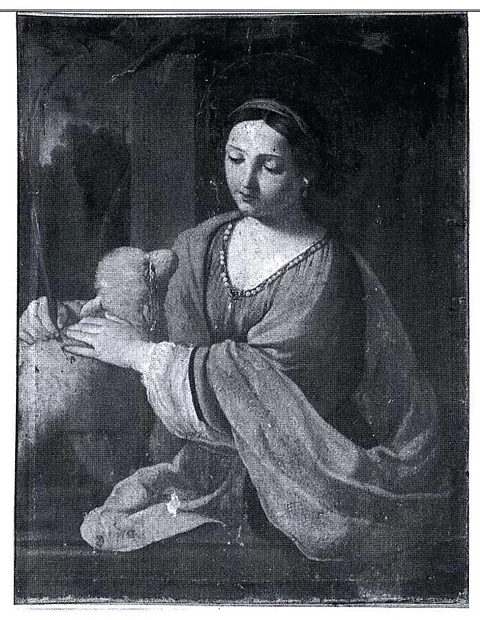
The AI had spotted what human eyes would have missed. The painting had been stolen from a church near Naples in 2004, but thieves had altered it. In the original, the woman held a lamb and palm branch, not a scroll. They'd disguised Saint Agnese herself.
For decades, Italian police maintained the world's largest stolen art database, containing over one million items. Officers would manually search through records, typing keywords like "painting of woman with scroll" and scrolling through grainy, decades-old photos. It was slow, clumsy work that often missed crucial details.
Rapicavoli, an IT engineer who joined the art theft unit in 2013, knew technology could do better. In 2020, his team created the Stolen Works of Art Detection System, or Swoads.
The AI doesn't get bored. It matches visual fingerprints between works, comparing colors, patterns, and silhouettes even when paintings have been chopped up or altered. It recognizes pieces as part of a stolen whole, regardless of changes.
The Ripple Effect
Since launching in November 2023, Swoads has transformed Italy's fight against art theft. The system has helped recover more than 300 large paintings and statues, plus over 165,000 smaller items including coins, manuscripts, and religious objects.
The technique is now paving the way for machine learning in art theft investigations worldwide. Other countries are watching Italy's success, ready to adopt similar systems in their own crackdown on art crime.
The Saint Agnese painting had hung in someone's possession for two decades, its true identity hidden behind a forger's alterations. Now it can return home to the small church of Virgo Potens in Sulmona, where it was stolen on that August night in 2004.
Technology isn't replacing the expertise of art investigators, but it's giving them superpowers they never had before.
More Images


Based on reporting by BBC Future
This story was written by BrightWire based on verified news reports.
Building Something New? Try the BrightWire Tech Stack Advisor
Compare modern frameworks, cloud hosting, and AI tools tailored to your project budget and scale.
Spread the positivity!
Share this good news with someone who needs it