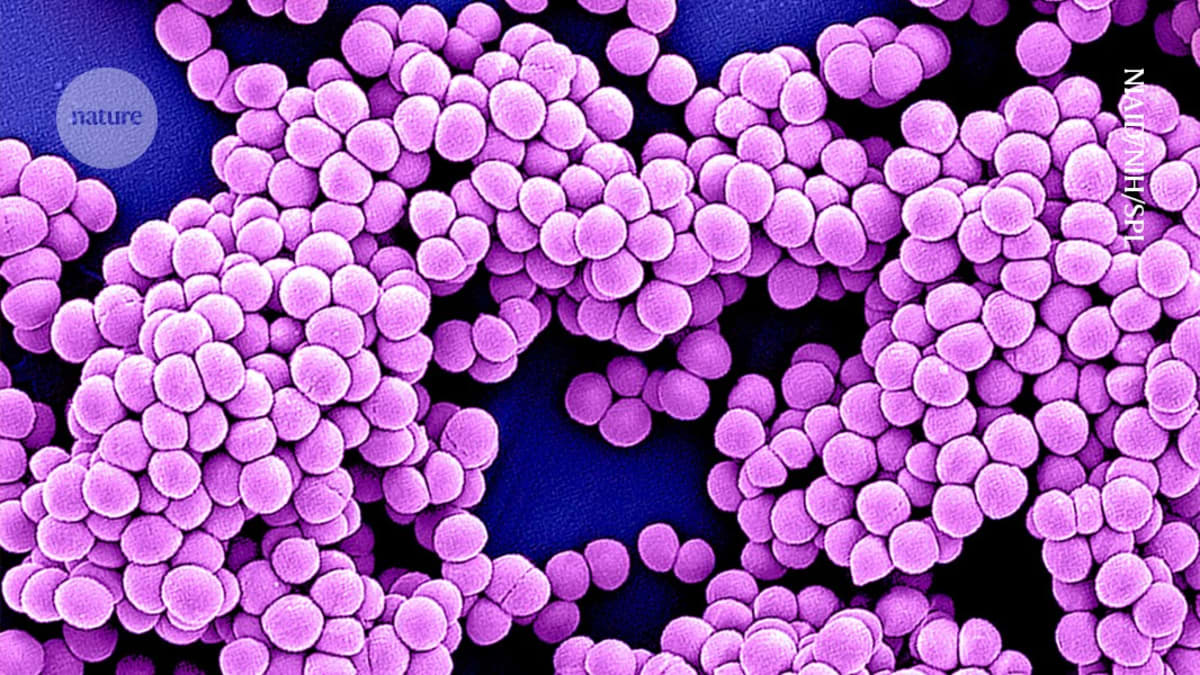
AI Helps Scientists Design Precision Antibiotics
Scientists are using artificial intelligence to create targeted antibiotics that kill dangerous bacteria while leaving helpful gut microbes unharmed. This breakthrough could save millions of lives while slowing the global antibiotic resistance crisis.
Scientists just solved a massive problem with antibiotics: they kill the good bacteria in our bodies along with the bad.
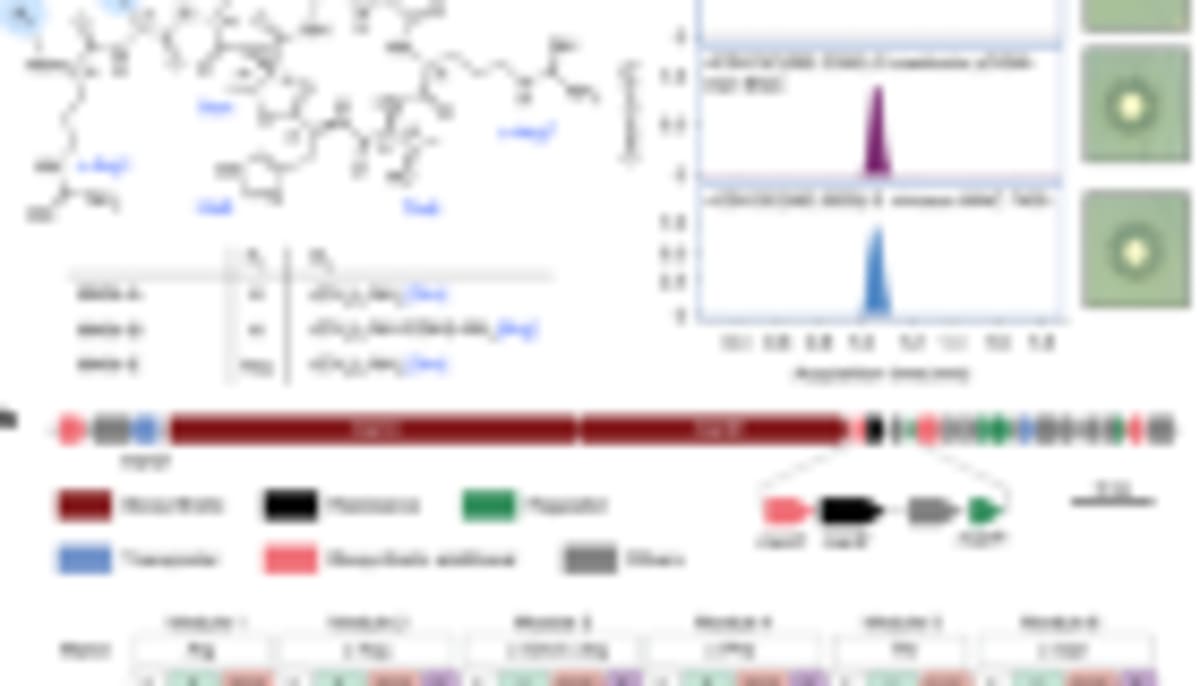
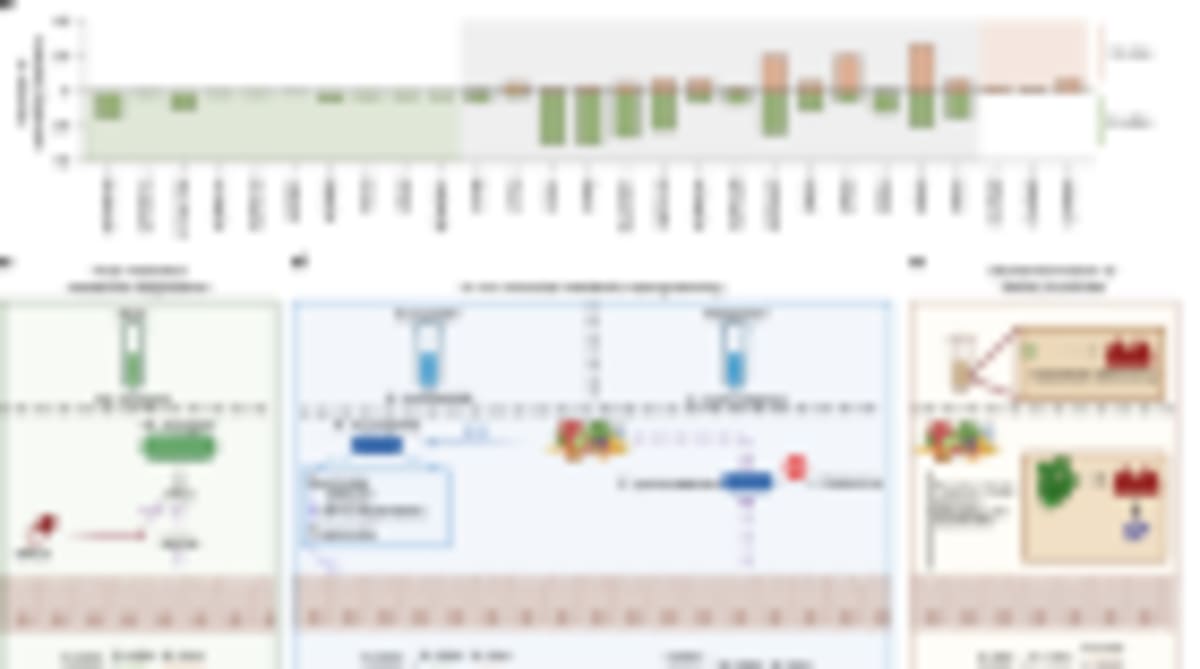
Researcher Jonathan Stokes at McMaster University in Canada wanted to find antibiotics that could target harmful bacteria with sniper precision. His team screened 10,000 compounds and discovered a molecule called enterololin that fights dangerous gut infections without destroying beneficial microbes.
But they needed to understand exactly how enterololin worked. Traditional methods take months of expensive lab testing. Instead, they turned to artificial intelligence.
A tool called DiffDock uses AI to predict how molecules attach to bacterial proteins. The technology helped Stokes's team identify enterololin's target in days instead of months. "We could kind of narrow down our experimental pipeline," says Denise Catacutan, the doctoral student who led the research.
This work builds on earlier success stories. In 2018, researchers at MIT developed an AI model called Chemprop that discovered halicin, a powerful antibiotic effective against tuberculosis and drug-resistant infections. They trained the AI on just 2,300 molecules, then used it to screen millions more for promising candidates.
The timing couldn't be more critical. Drug-resistant infections could kill 39 million people by 2050 if current trends continue. Meanwhile, pharmaceutical companies avoid antibiotic development because it's expensive and rarely profitable.
The Bright Side
AI is changing that equation completely. Machine learning allows researchers to discover new antibiotics faster and cheaper than ever before. What once required extensive lab work now happens on computers first, saving time and money.
Regina Barzilay, a computer scientist at MIT whose family members survived serious bacterial infections, sees this as deeply personal. "We are so used to the idea that antibiotics are there to protect us," she says. Her AI tools are helping ensure that protection continues.
Scientists worldwide are now collaborating through initiatives like the Fleming Initiative at Imperial College London. They're building databases and sharing tools to accelerate discovery of antibiotics that work differently than existing drugs.
The combination of precision targeting and AI-powered discovery means we're not just creating new antibiotics. We're creating smarter ones that bacteria will struggle to resist.
These digital breakthroughs are writing prescriptions for a healthier future.
More Images

Based on reporting by Nature News
This story was written by BrightWire based on verified news reports.
Spread the positivity!
Share this good news with someone who needs it


