AI Helps Scientists Win Race to Save 100,000 Unknown Plants
Scientists are using AI to discover and protect thousands of vanishing plant species before they go extinct, opening what researchers call a "genomic goldmine" of potential new medicines. Royal Botanic Gardens, Kew just digitized all 7.4 million of its specimens, making centuries of biodiversity data freely available online.
Scientists racing to save the world's plants and fungi just got a powerful new teammate, and it could help discover life-saving medicines hiding in nature before they disappear forever.
Royal Botanic Gardens, Kew just released a major report showing how AI and digital technology are transforming the fight to protect Earth's botanical diversity. About 40% of known plant species face extinction, and another 100,000 species haven't even been named yet.
The problem has always been speed. Scientists discover about 2,000 new plant species each year, but potential cures for diseases and sustainable crops vanish before anyone can study them. Fungi face an even bigger challenge, with 90% of an estimated 2 million species still unknown to science.
Now AI is changing the game. The technology can identify challenging plants like sedges and peat mosses whose key features are microscopic, spotting new or vulnerable species far faster than before. "These AI models can sometimes now identify better than specialists," says Prof Alexandre Antonelli, executive director of science at RBG Kew.
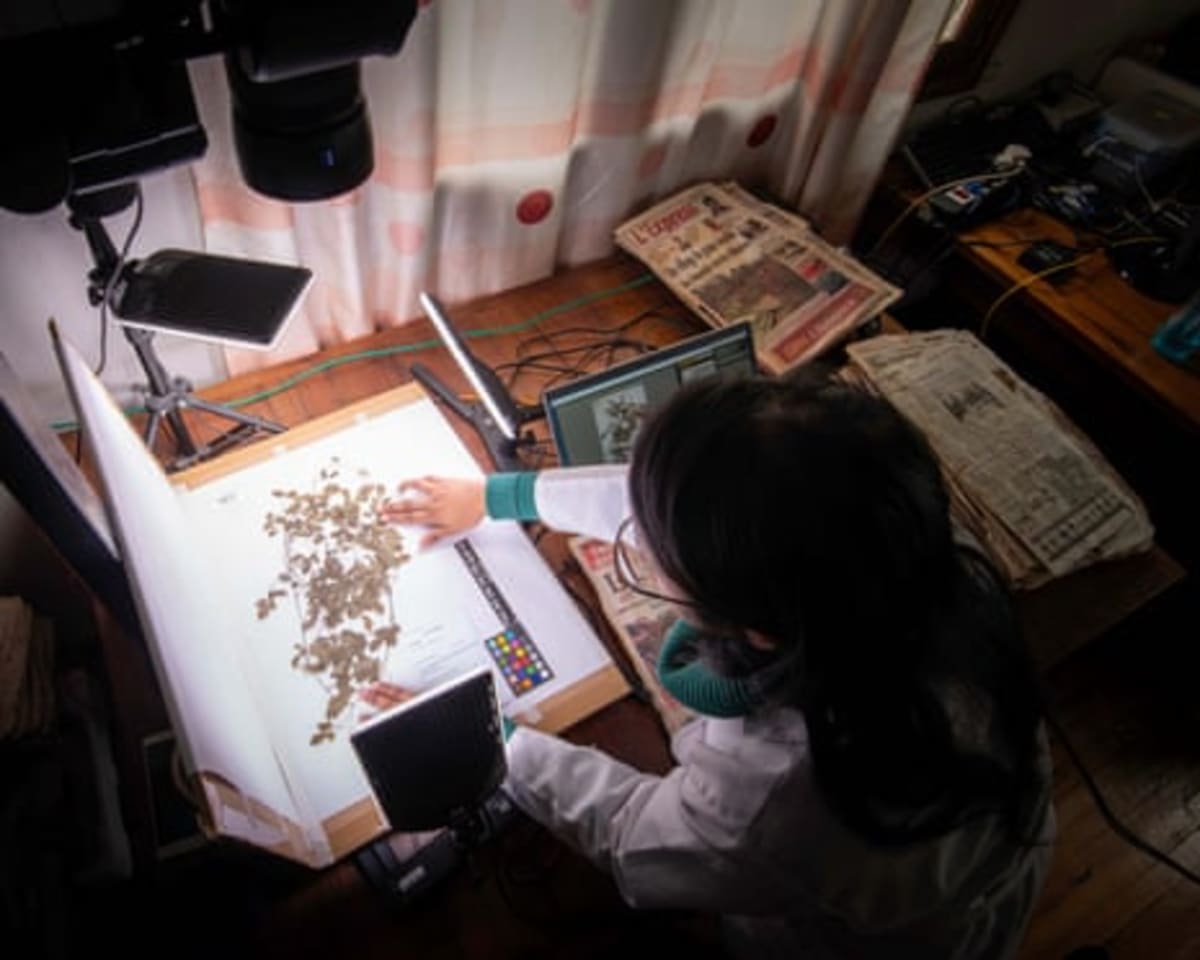
Kew just completed digitizing all 7.4 million of its specimens, including plants collected by Charles Darwin, and posted them online for free. The four-year project captured 20,000 high-resolution images daily at its peak. Globally, 145 million digital specimens are now accessible to researchers anywhere.
The technology unlocked something unexpected in Madagascar. Scientists digitized 37,000 physical specimens from one of Earth's richest biodiversity hotspots, giving researchers worldwide instant access to centuries of botanical knowledge. "We've unlocked a treasure of knowledge spanning centuries," says Landy Rajaovelona, a senior botanist at Kew Madagascar.
AI trained to spot flowers analyzed 8 million digitized specimens and revealed something startling about climate change. Flowering times have shifted by an average of 2.5 days per decade over the last century. Some flowers arrive earlier, others later, disrupting ancient relationships between plants and the pollinators that depend on them.
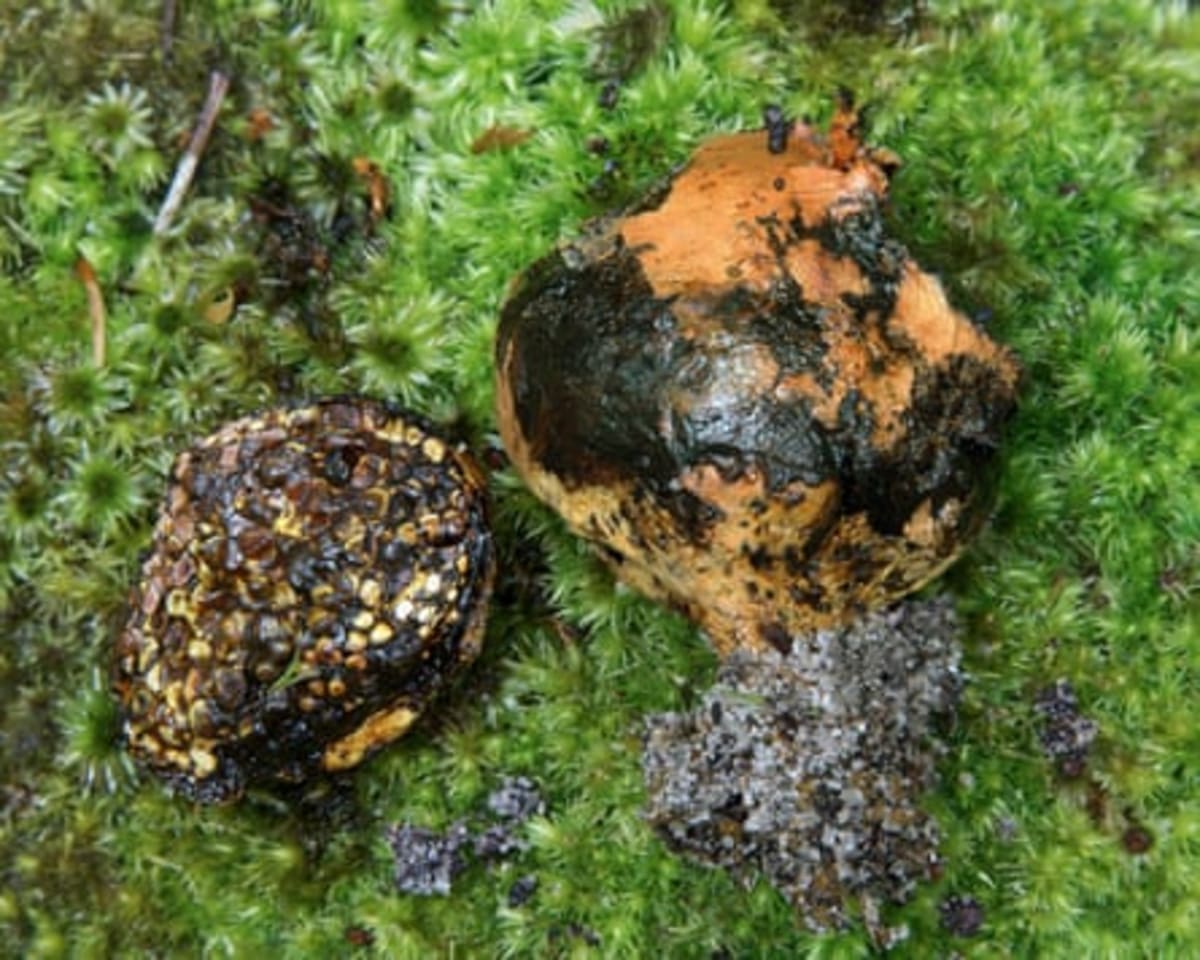
The biggest breakthrough might be in fungi. Scientists can now extract high-quality genetic data from specimens up to 180 years old. Since penicillin and statins came from fungi, these historical collections could hold cures for diseases that don't exist yet.
The Ripple Effect
The technology is democratizing science in unexpected ways. Collections in biodiversity hotspots that were rarely accessed are now helping researchers worldwide collaborate instantly. Dr Esther Gaya at Kew notes this matters especially for tracking fungal diseases that spread as climate change extends hot seasons in temperate regions.
About 400 scientists across 40 countries contributed to the report, and they're clear about the stakes. Plants and fungi supply our food and medicines, store carbon, and regulate climate. Less than 16% of specimens held in herbariums worldwide are digitized yet, leaving what researchers call "huge blind spots in understanding."
"While documenting and protecting all life on Earth remain formidable challenges, digitization and accompanying technologies make me increasingly hopeful that we'll succeed," Antonelli says.
More Images

Based on reporting by Guardian Environment
This story was written by BrightWire based on verified news reports.
Spread the positivity!
Share this good news with someone who needs it