AI Helps UK Cities Clear 700 Sewer Blockages This Year
Cities are using artificial intelligence to detect dangerous "fatbergs" before they grow into 100-tonne monsters that flood streets with sewage. The technology is keeping workers safer and preventing thousands of pollution spills.
Beneath London's busy streets, a new weapon is fighting an underground monster problem that's plagued cities for years.
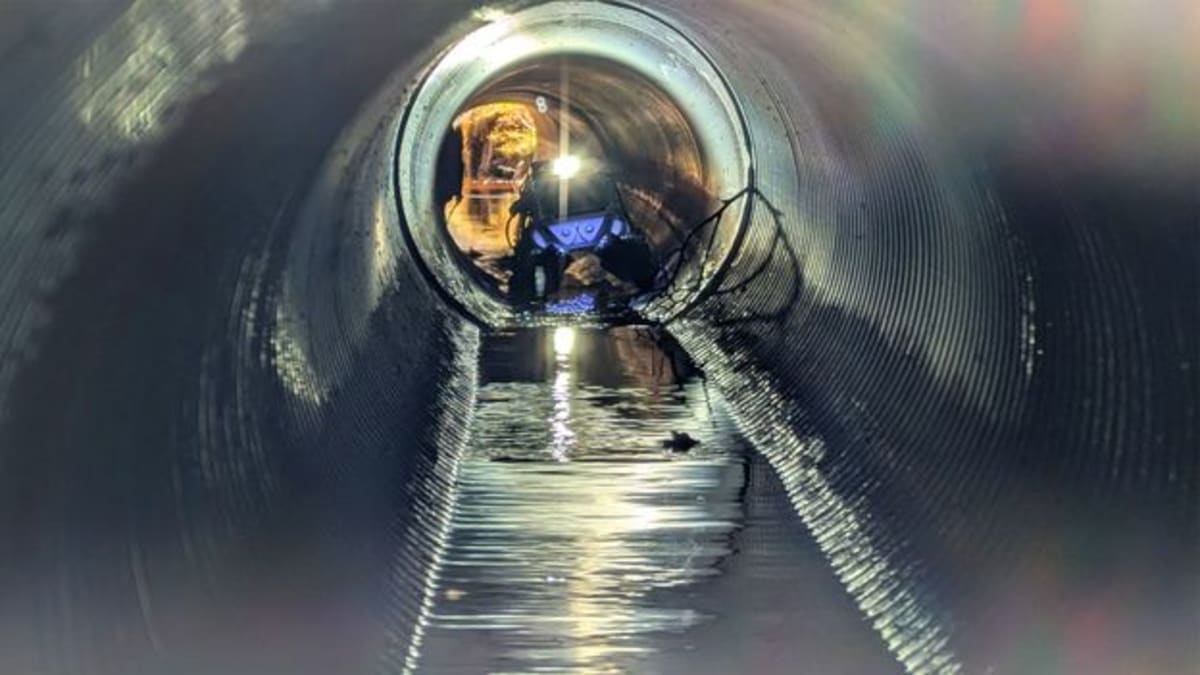
Water companies are now using artificial intelligence to detect fatbergs before they turn into massive concrete-hard clumps that can weigh more than 11 double-decker buses. These disgusting blockages form when fat, grease, and wet wipes combine in sewers, causing sewage to flood homes and spill into rivers.
The challenge has always been spotting them early. Fatbergs grow silently in the darkness, far from view, until they're already wreaking havoc.
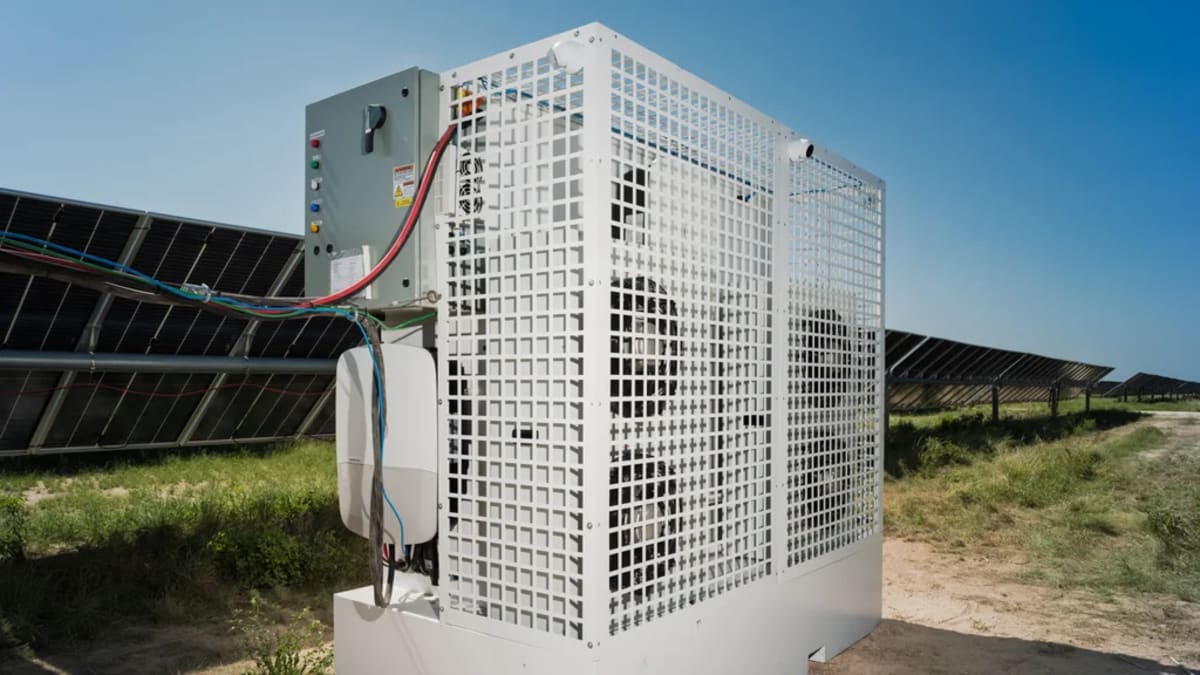
Southern Water in the UK installed 34,000 sensors on manhole covers that use radar to measure water levels below. The AI compares these readings with rainfall and weather data to predict what's normal for any given day.
When water levels spike unexpectedly, teams can investigate and clear small blockages before they become giants. This year alone, the system helped Southern Water clear 700 blockages early.
The impact goes beyond preventing floods. Workers no longer need to venture as often into toxic sewer environments filled with hydrogen sulphide gas and dangerous bacteria. "It's not a very pleasant environment," says Richard Martin from Southern Water, noting workers typically need full breathing apparatus.
The technology is already making a real difference. Southern Water saw sewage spills drop 47% in 2025 compared to the previous year, even though UK water companies still tackle an estimated 300,000 grease blockages annually.
New York City spends nearly $19 million each year just clearing grease from its sewers. Giant fatbergs have appeared in Detroit, Baltimore, Melbourne, and Sydney, making this a global problem demanding smart solutions.
The Bright Side
The AI system gives cities something they've never had before: early warning. Instead of waiting for customer complaints or stumbling upon massive blockages during routine inspections, water companies can now act proactively.
The Whitechapel fatberg that took nine weeks to remove in 2017 had regrown to over 100 tonnes by late 2025, proving these monsters return quickly. But with sensors constantly monitoring sewer conditions, future buildups can be caught at manageable sizes.
The technology keeps improving too. Machine learning algorithms get smarter with each blockage they detect, learning patterns that predict where problems might develop next.
Cities worldwide are watching this UK experiment closely, seeing a scalable solution to a problem that's only grown worse as populations increase and aging sewer systems struggle to keep up.
Smart sensors and AI are turning the tide against an enemy that once seemed impossible to defeat.
More Images


Based on reporting by BBC Future
This story was written by BrightWire based on verified news reports.
Spread the positivity!
Share this good news with someone who needs it