AI Learns From Animals to Make Surgery Safer for Humans
Scientists developed "xeno-learning," a breakthrough AI method that uses animal imaging data to help surgeons spot dangerous tissue during operations. This innovation could make surgeries safer without needing hard-to-get human training data.
Surgeons may soon have a powerful new ally in the operating room, thanks to an AI system that learned its life-saving skills from pigs and rats.
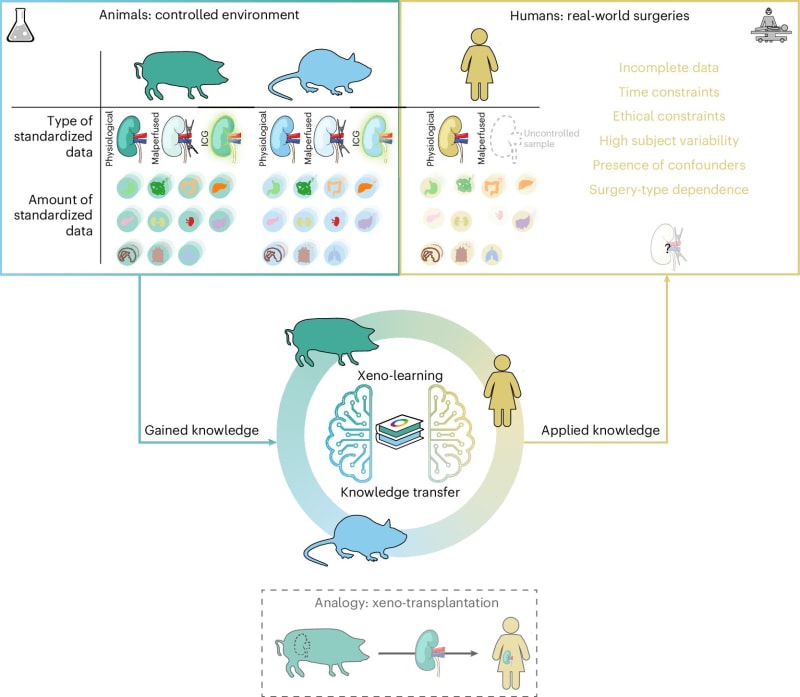
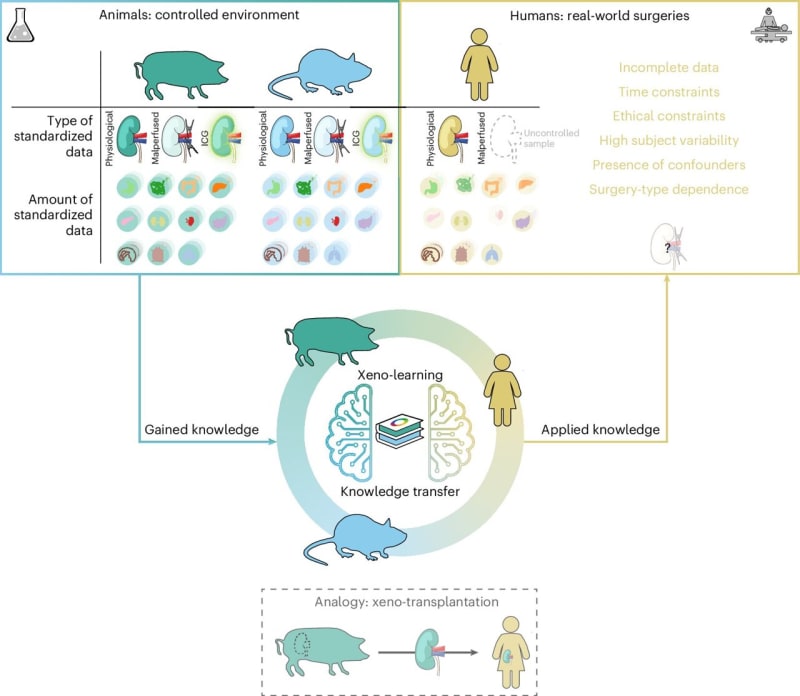
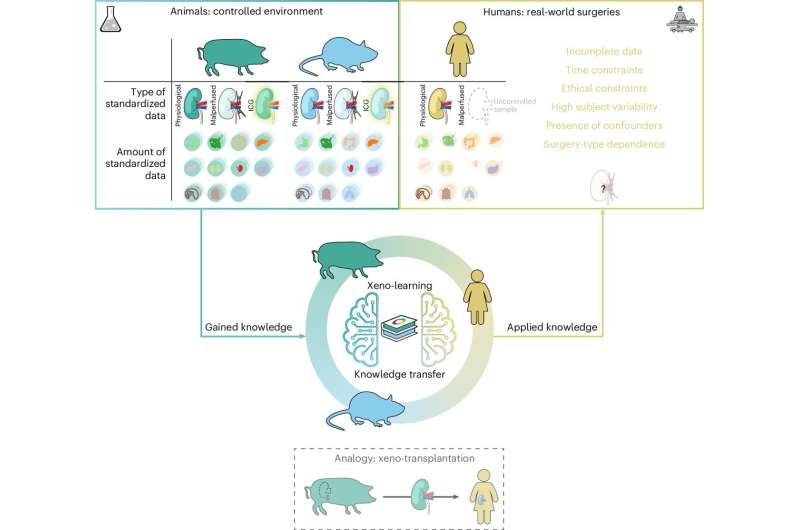
Scientists at the German Cancer Research Center and partner hospitals have cracked a major challenge in surgical technology. They taught artificial intelligence to recognize dangerous tissue changes in humans by first training it on animal imaging data.
The innovation, called "xeno-learning," works like cross-species knowledge transfer. Special hyperspectral cameras capture details invisible to the human eye, like blood flow and oxygen levels in tissue. The AI then uses patterns learned from over 13,000 animal images to identify problems in human patients during surgery.
Traditional AI models hit a wall because animal and human tissue look different on an absolute level. But the research team found a clever workaround: instead of teaching the AI to recognize specific colors, they taught it to spot patterns of change that signal trouble.
"We were able to learn various pathophysiological mechanisms from the animal model and transfer them to humans," explains Dr. Lena Maier-Hein, who led the research team. The approach successfully identified issues like circulatory problems across all three species.
The Ripple Effect
This breakthrough solves a frustrating problem that has held back surgical AI for years. Getting enough annotated human tissue images for training is often impossible due to ethical and legal restrictions. Animal research, however, produces standardized data sets with precisely documented tissue changes.
Now surgeons can use spectral imaging technology even in situations where human training data doesn't exist. The AI can help distinguish between healthy and cancerous tissue or identify critical structures that need protection during delicate procedures.
The team has already made their program code and pre-trained models available to other scientists for free. This open-access approach means hospitals and researchers worldwide can start adapting the technology for their own surgical needs right away.
Clinical lead Dr. Alexander Studier-Fischer sees immediate applications: "This is an important step toward making surgical procedures safer and more precise in the future."
The research represents more than just a technical achievement—it's a smarter way to use existing animal research data to benefit human patients while potentially reducing the need for additional studies.
More Images
Based on reporting by Medical Xpress
This story was written by BrightWire based on verified news reports.
Spread the positivity!
Share this good news with someone who needs it