AI Makes Safer Titanium Implants Easier to Manufacture
Scientists used artificial intelligence to perfect the manufacturing of a new titanium alloy that's safer for medical implants and easier on the body. The breakthrough could speed up how quickly patients get access to better, non-toxic implants.
Your next hip replacement or dental implant could be made from titanium that's far kinder to your body, thanks to researchers who just cracked a major manufacturing puzzle using artificial intelligence.
Scientists have developed a machine learning system that predicts exactly how to shape a next-generation titanium alloy that eliminates toxic metals found in current medical implants. The breakthrough, published in Scientific Reports, could transform how we make everything from joint replacements to pacemaker cases.
For decades, doctors have relied on a titanium alloy called Ti-6Al-4V for medical implants. It's strong and lightweight, but there's a catch: it contains aluminum and vanadium, both linked to long-term health risks when they sit inside your body for years. Newer, safer alloys exist that swap those risky elements for friendlier ones like niobium and tantalum, but they've been incredibly difficult to manufacture with precision.
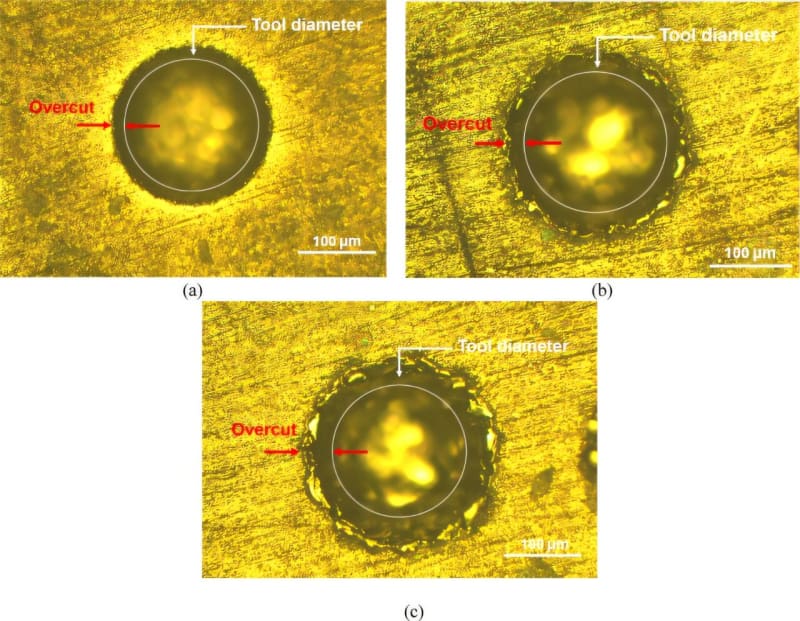
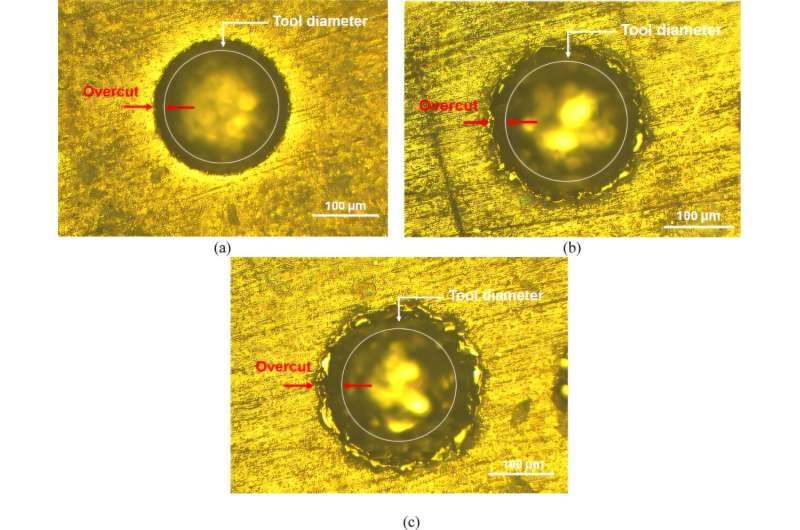
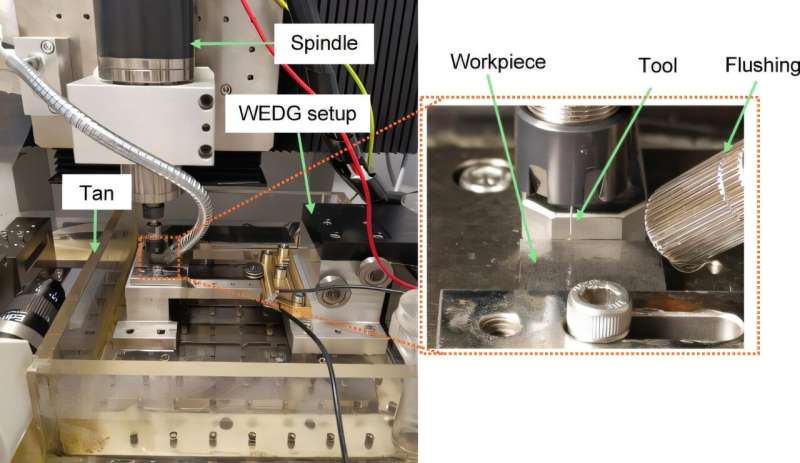
That's where the AI comes in. The research team at Nazarbayev University trained artificial neural networks to master micro-electro-discharge machining, a technique that shapes extremely hard materials with microscopic precision. Think of it as teaching a computer to become the world's best craftsperson for tiny, intricate metalwork.
The AI learned to predict exactly how different electrical settings would affect the final product. After analyzing hundreds of experiments, the neural network achieved 99% accuracy in forecasting outcomes, with prediction errors below 5%. That means manufacturers can now dial in the perfect settings to create precise, smooth implants without endless trial and error.
The practical impact is huge. Microscopic surface quality matters enormously for medical implants because rough surfaces can trigger inflammation or bacterial growth. The AI system helps manufacturers find the sweet spot between cutting speed and surface smoothness, ensuring implants are both economical to produce and safe for patients.
The Ripple Effect
This technology doesn't just benefit patients needing implants today. By making biocompatible titanium alloys easier and cheaper to manufacture, the breakthrough opens doors for more innovative medical devices that previously seemed too expensive or difficult to produce. Aerospace engineers are watching closely too, since these same alloys could create lighter, stronger aircraft components.
The research team is already expanding their dataset to cover more manufacturing scenarios. As the AI gets smarter, it could help bring down the cost of premium medical implants that currently remain out of reach for many patients.
Machine learning is proving it can do more than sort photos or write emails—it can literally reshape the materials that go inside our bodies, making medicine safer one algorithm at a time.
More Images
Based on reporting by Phys.org - Technology
This story was written by BrightWire based on verified news reports.
Spread the positivity!
Share this good news with someone who needs it